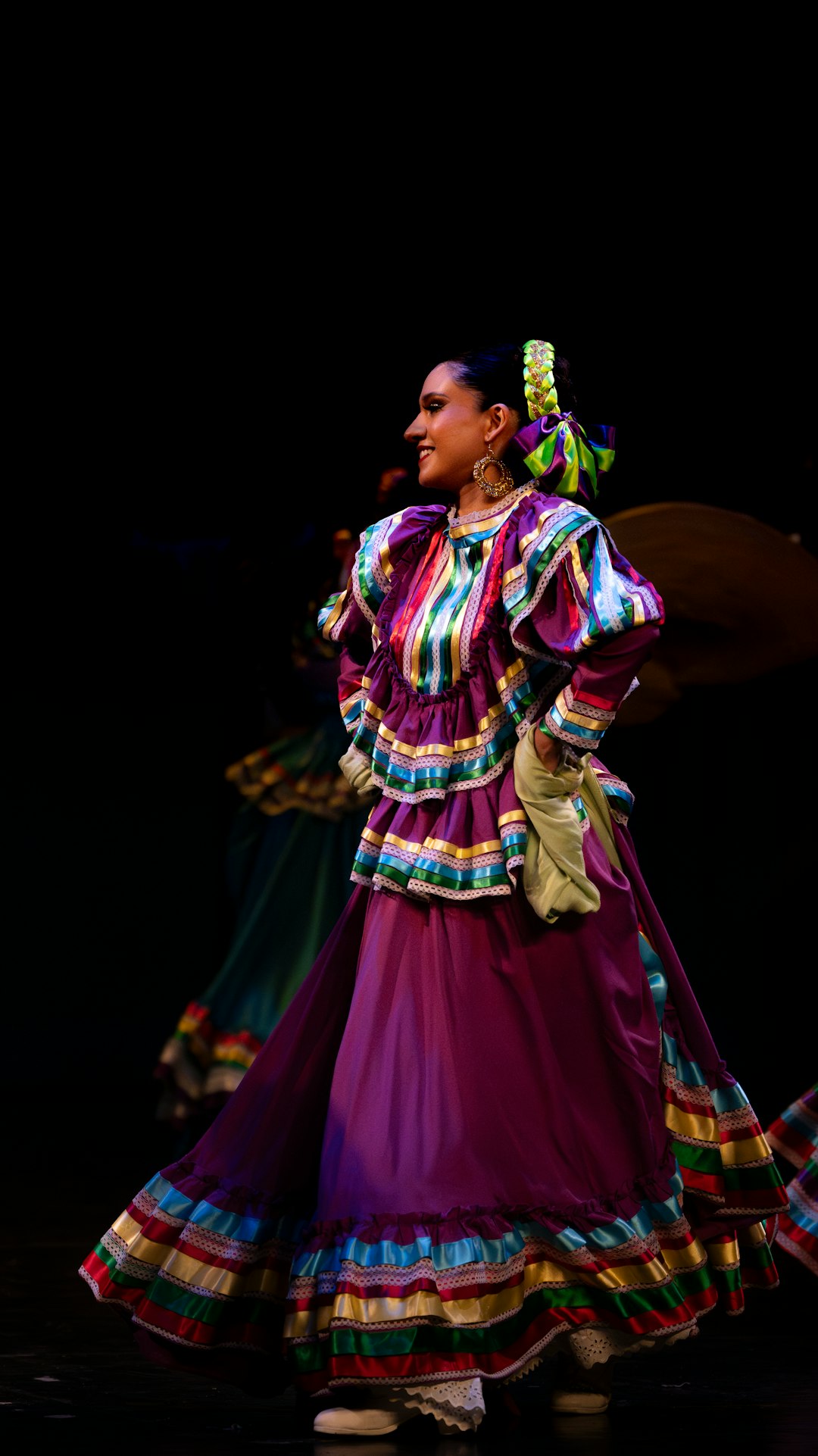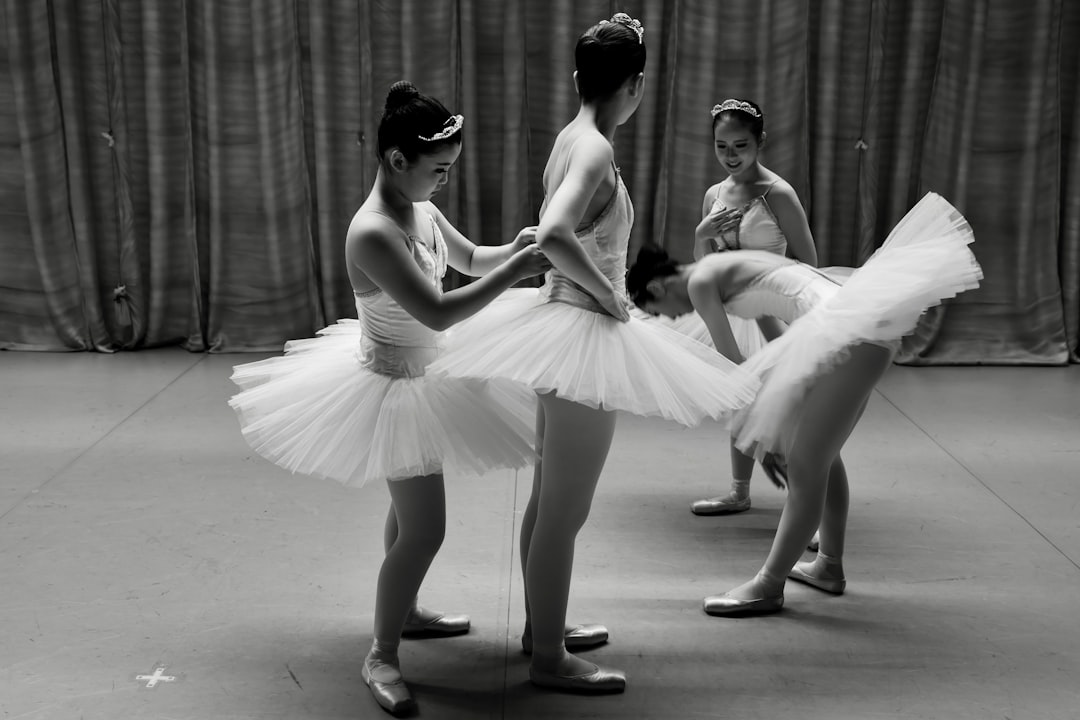
In a Buenos Aires milonga, dancers don't just move to the music—they become it. The tango begins in the chest: a shared breath between partners, the leader's intention traveling through an embrace so close you can feel your partner's heartbeat. Before the first step, you've already begun dancing.
For newcomers, this intimacy can feel daunting. But every tanguero in that room started exactly where you are now.
Unlike salsa's flashy spins or ballroom's formal precision, Argentine tango demands something rarer: complete presence. It's an improvised conversation between two bodies, negotiated step by step, breath by breath. The learning curve is real, but so is the reward. Here's how to begin your journey with clarity and confidence.
Step 1: Build Your Foundation—The Three Pillars of Tango Movement
Every tango maestro returns to these fundamentals daily. Master them, and everything else follows.
The Caminata (Walk) Tango's foundation is deceptively simple: walking with intention. Unlike a normal stride, your weight remains split between feet, ready to change direction instantly. Practice walking into the floor, not across it—knees soft, hips level, chest lifted. Each step lands with the whole foot, rolling from heel to toe, as if testing the ground before committing.
The Cruzada (Cross) This elegant punctuation occurs when the follower steps forward, then crosses left over right on the next step. The leader creates the invitation through a slight rotation of the torso; the follower responds by collecting her feet and crossing. It's tango's signature pause—a moment of suspended breath before the dance continues.
The Ocho Named for the figure-eight traced on the floor, the ocho gives tango its sinuous, serpentine quality. Through pivoting steps—forward ocho for followers, back ocho for leaders—the dancer draws continuous loops, hips rotating smoothly while the upper body remains quiet and connected to their partner.
Practice tip: Work these steps alone first, in socks on a smooth floor. Film yourself. Tango reveals itself in the mirror in ways you can't feel in the moment.
Step 2: Master the Embrace—Tango's True Instrument
What separates tango from every other partner dance is the abrazo—the embrace. This isn't decorative framing; it's your primary communication channel.
Tango offers three embrace positions:
| Style | Description | Best For |
|---|---|---|
| Open embrace | Space between torsos, arms forming a responsive circle | Beginners learning frame; dancers with physical limitations |
| Close embrace | Chest-to-chest contact, heads often touching or near | Social dancing; the heart of Argentine tango tradition |
| Flexible embrace | Shifting between open and close as the dance demands | Intermediate+ dancers; dynamic musical expression |
Start in open embrace, maintaining consistent frame—your arms forming a circle that transmits intention through subtle shifts, not force. The leader's right hand rests on the follower's shoulder blade, not the waist; the follower's left hand connects to the leader's bicep, not the shoulder. These contact points are your antennae.
The golden rule: Tension kills connection. Stay relaxed through your shoulders, breathe deeply, and listen through your hands. A good embrace should feel like a shared secret, not a wrestling match.
Step 3: Decode the Music—From Background to Blueprint
Tango without musicality is just exercise. The dance is the music made visible.
Start with Aníbal Troilo's orchestra—his recordings feature prominent bandoneón that makes the melody line unmistakable. As you advance, explore these essential voices:
- Carlos Di Sarli ("Bahía Blanca," "Milonguero Viejo"): Crystal-clear walking rhythms, perfect for finding the beat
- Juan D'Arienzo ("La Cumparsita," "Pensalo Bien"): Driving, energetic tempo that propels the dance
- Osvaldo Pugliese ("La Yumba," "Gallo Ciego"): Complex, dramatic arrangements for advanced interpretation
Tango music operates in phrases of eight beats, but the magic lies in the sincopa—the syncopated accent that arrives unexpectedly, inviting a dramatic pause or acceleration. Listen for the marcato, the strongly marked beat that grounds the dance, versus the suave, the smooth, flowing passages where you can stretch and breathe.
Exercise: Play "Bahía Blanca" and walk across your room, stepping only on the strong beats (1, 3, 5, 7). Then try stepping on every beat. Feel how the same song demands different