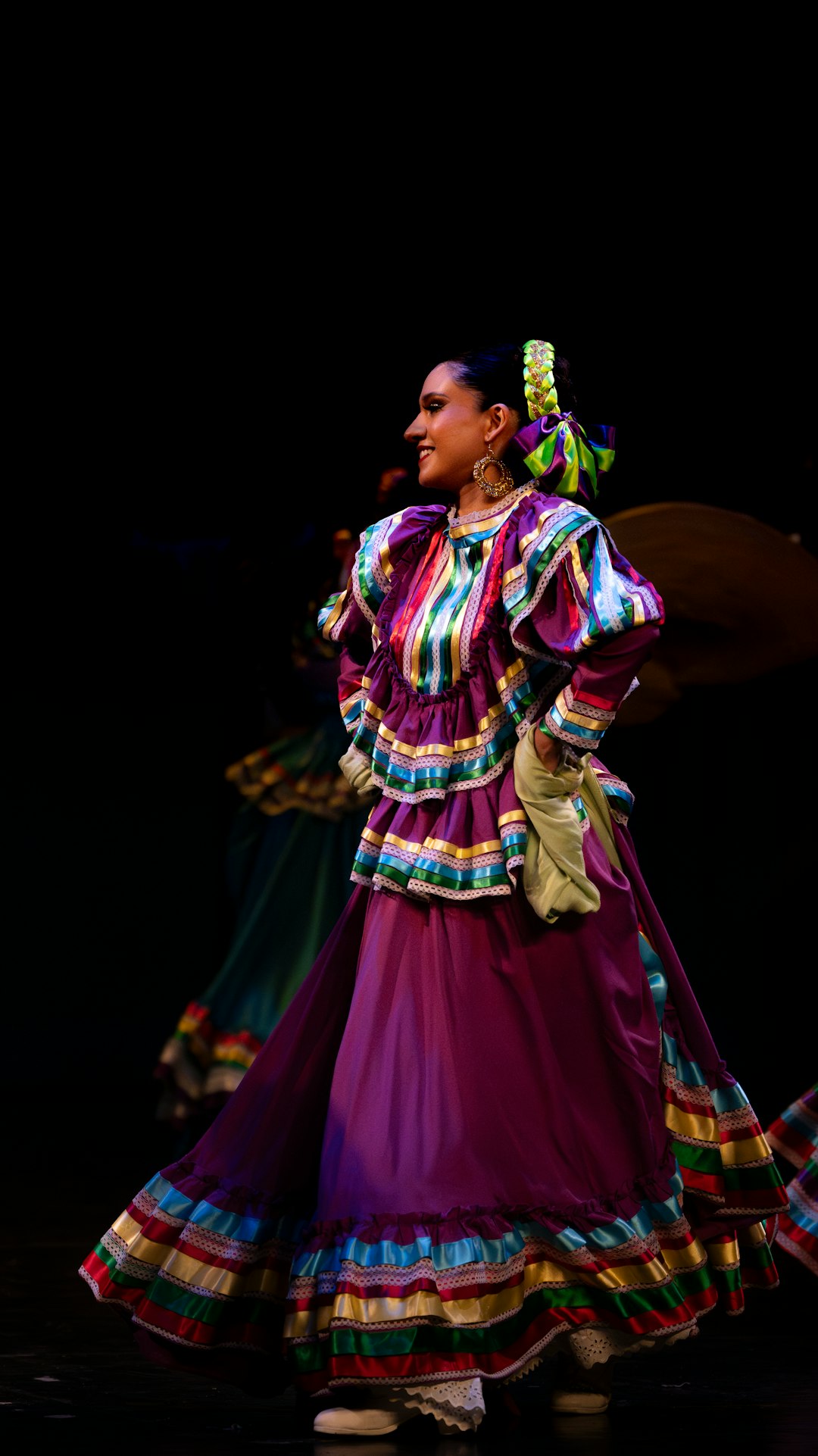
Every tango begins with a single step—but not the flashy kick you see on stage. The real tango starts with a walk. Slow, deliberate, shared. If you can walk, you can tango. Everything else is refinement.
Born in the late 19th-century working-class neighborhoods of Buenos Aires and Montevideo, tango emerged as a fusion of African, European, and indigenous influences. Today it thrives in two distinct forms: tango de salón (social tango, danced in close embrace at milongas) and tango de escenario (stage tango, performed for audiences). This guide focuses on the social tradition—the one you'll actually dance.
Mastering the Foundation
Tango rewards patience over flash. Before attempting elaborate figures, internalize these three pillars:
Posture: Grounded, Not Rigid
Forget "straight back" ballet posture. Tango demands a proud but relaxed stance:
- Chest slightly forward, as if leaning into a strong wind
- Weight balanced over the balls of your feet, never settling back on your heels
- Knees soft, ready to absorb and transfer movement
- Head level, gaze soft but present
This forward intention creates the axis—the invisible line around which you and your partner revolve.
The Caminata: Tango's True Vocabulary
Tango is not steps. It is walking with intention. The caminata—walking in parallel tracks with your partner—forms 80% of social tango. Practice:
- Walking forward, backward, and laterally while maintaining your partner's embrace
- Matching their breath and weight changes
- Arriving on each beat with control, not momentum
Once your walk feels like conversation rather than transportation, you've learned tango's secret language.
The Abrazo: Connection Beyond Words
In close embrace tango, your right cheek may touch your partner's. Your torsos connect from solar plexus to hip. This is the abrazo—not a frame to hold, but a channel through which intention travels faster than movement.
Leaders: propose direction through your center, not your arms. Followers: receive and complete the suggestion, never anticipate. Both: maintain eye contact with the room, not each other, to navigate the floor safely.
Finding Your Soundtrack
Tango music operates in distinct layers. For beginners, seek recordings between 100-120 BPM—slow enough to control, fast enough to flow.
Start here:
- Carlos Di Sarli (orchestras of the 1940s-50s): crystalline piano, predictable phrasing
- Aníbal Troilo: rich, romantic, slightly more complex
- Gotan Project: modern electronic tango for practice when traditional rhythms feel distant
Listen for the compás—the underlying pulse that sometimes hides behind melody. Count 1-2-3-4, but feel the emphasis on 2 and 4. Tango's A-B-A structure means themes return transformed; anticipate the return and ride it.
Learning With Guidance
Classes accelerate progress, but choose wisely. Look for:
- Instructors who emphasize walking and musicality over patterns
- Beginner-friendly prácticas (practice sessions) where you can ask questions mid-dance
- Communities that distinguish between tango de salón and stage styles
Avoid teachers who teach sequences without explaining how movements connect to music and partner.
Practicing Deliberately
Daily practice outperforms weekly marathons. Structure your sessions:
- 10 minutes: Solo walking—forward, back, side, with music, focusing on balance and timing
- 10 minutes: Mirror work—checking alignment, identifying habits
- 20 minutes: Partnered practice or video study of social dancers (not competition performances)
Record yourself monthly. Progress in tango is gradual; video reveals what feeling cannot.
Your First Milonga
The milonga (social dance event) operates by unspoken rules that protect its intimacy:
The structure: Dances arrive in tandas (sets of 3-4 songs by the same orchestra), separated by cortinas (short non-tango interludes). Commit to a full tanda once you accept.
The invitation: Use the cabeceo. From across the room, catch your desired partner's eye and nod slightly toward the floor. If they nod back, approach. If they look away, respect the decline—no words, no explanation, no offense.
The floor: Dance counter-clockwise. Never pass directly behind another couple. Small steps honor crowded spaces.
Arrive prepared to watch. Your first milonga may involve more observation than dancing. This is not failure—it is education