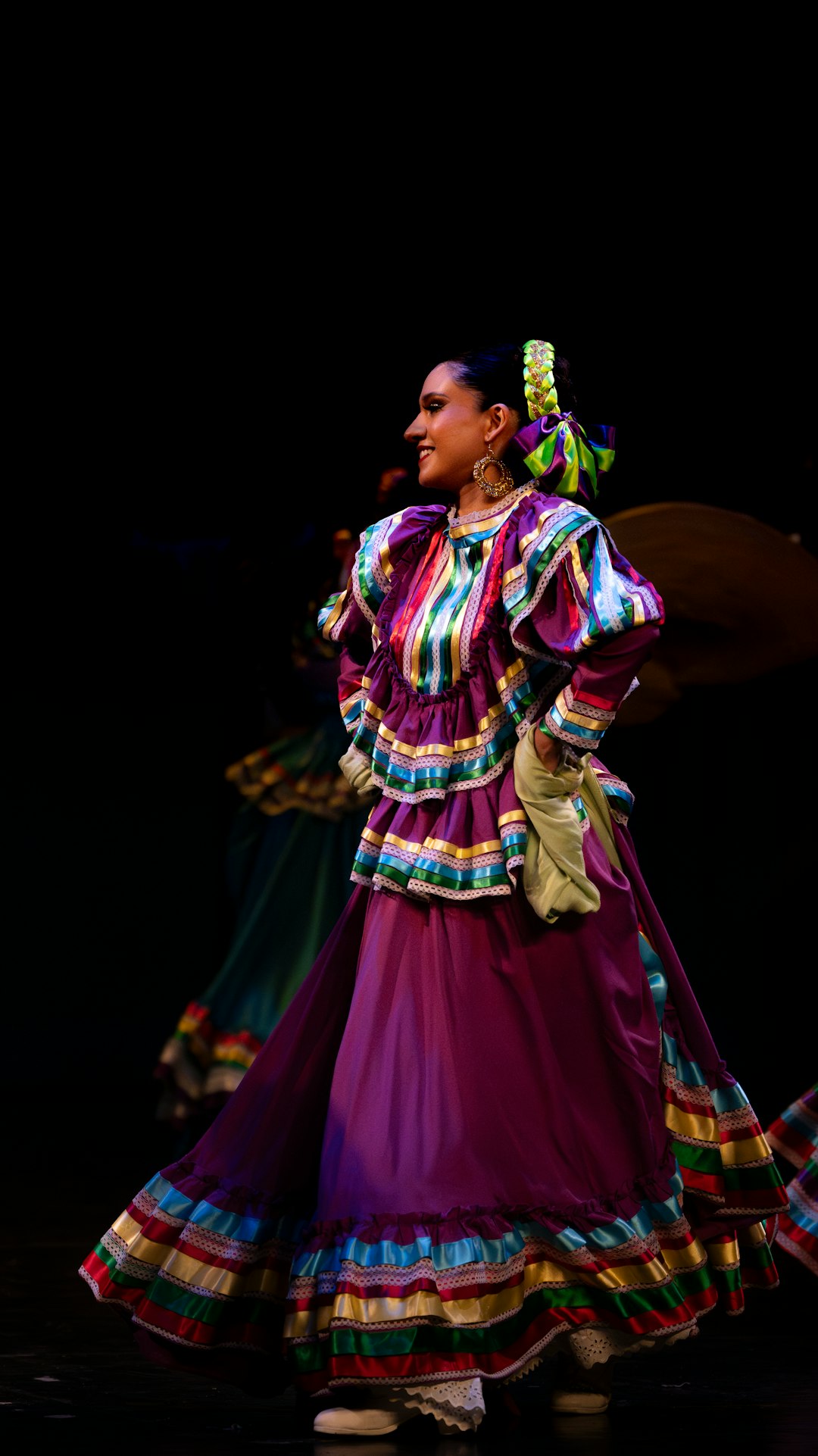
The average tango song lasts three minutes. The connection can last decades.
In a Buenos Aires café in 1880, immigrants pressed close in crowded rooms and created what would become one of the world's most intimate dances. Today, tango thrives in communities from Berlin to Tokyo—not because it's easy, but because it rewards those who persist. This guide walks you through what actually happens when you begin, what no one tells you about the first frustrating month, and how to build a practice that sustains itself.
First, Know Which Tango You're Learning
Beginners often enroll in classes without realizing "tango" describes three distinct styles. Choosing wrong leads to confusion, wasted money, and the sense that you're "bad at tango" when you're simply learning incompatible techniques.
| Style | Characteristics | Best For |
|---|---|---|
| Argentine Tango | Improvisational, close embrace, emphasis on connection and musical interpretation | Social dancers, those seeking intimacy and creativity |
| American Tango | Dramatic, open frame, theatrical movements, competition-focused | Performers, studio showcase students |
| International Tango | Strict technique, staccato movement, ballroom competition standards | Competitive dancers, those with ballroom backgrounds |
Most social dancers pursue Argentine tango. Verify with any prospective teacher: "Do you teach Argentine, American, or International style?" Ambiguous answers suggest muddled instruction.
Before Your First Class: Gear and Expectations
What to Wear
Restrictive clothing impedes movement. Choose:
- Tops: Breathable layers you can remove; rooms heat quickly
- Bottoms: Pants or skirts allowing full leg extension and pivoting
- Shoes: Leather-soled essential. Rubber grips the floor, wrenching knees during pivots. For women: 2-3 inch heels with closed toes. For men: Dress shoes with smooth leather soles. Dance shoes recommended by month two; street shoes suffice initially.
What Classes Cost
- Group classes: $15-25 per session, or $100-150 for multi-week series
- Private lessons: $60-120/hour depending on instructor reputation
- Practicas (practice sessions): $5-15, or free with class enrollment
Budget 3-6 months of weekly classes before social dancing feels comfortable. Not proficient—comfortable.
Your First Class: Connection Before Steps
Experienced instructors spend the first session not on footwork, but on the abrazo—the embrace. This surprises beginners expecting choreography. It shouldn't.
The tango embrace varies by style. In close embrace, your torsos touch, creating a shared axis where neither partner fully balances alone. In open embrace, you maintain a frame with extended arms, allowing more complex figures. Both require surrendering individual stability for mutual responsiveness.
What proper connection feels like: Your leader's chest invites movement before their feet. Your follower's back receives that intention without anticipation. Think conversation, not command.
"If you can walk, you can tango. Everything else is decoration." — Common instructor saying
Most beginners leave first classes frustrated. They expected steps; they received posture drills. This is the foundation. Trust it.
Building Your Foundation: The First Month
Week 1-2: The Caminata
Tango is walked, not danced—initially. The caminata (walking) forward, backward, and to the side with musical weight changes constitutes 80% of social dancing. Master this before the ocho (figure-eight) or cruzada (cross).
Tango posture technique: Imagine a string pulling from your crown toward the ceiling. This creates elevation and presence, yet you must remain relaxed enough to respond instantly to your partner's invitation. Rigid posture breaks connection; collapsed posture loses clarity.
Week 3-4: Musicality Emerges
Tango music operates in phrases of eight counts. Beginners count; intermediates feel. Start by identifying the strong beat (usually beat 1) and practicing weight changes only on beats. Dancing "in between" the beat—syncopation—comes later.
Recommended listening progression:
- Beginners: Di Sarli (clear, walkable rhythms)
- Intermediate: Troilo (complex, emotional phrasing)
- Advanced: Pugliese (dense, demanding interpretation)
Between Classes: Solo Practice That Works
Group instruction without solo practice yields plateau. Structure independent sessions:
| Duration | Activity |
|---|---|
| 10 min | Posture and balance exercises (one-legged stands, slow walking) |
| 15 min | Caminata practice with music, focusing on weight transfer quality |
| 10 |