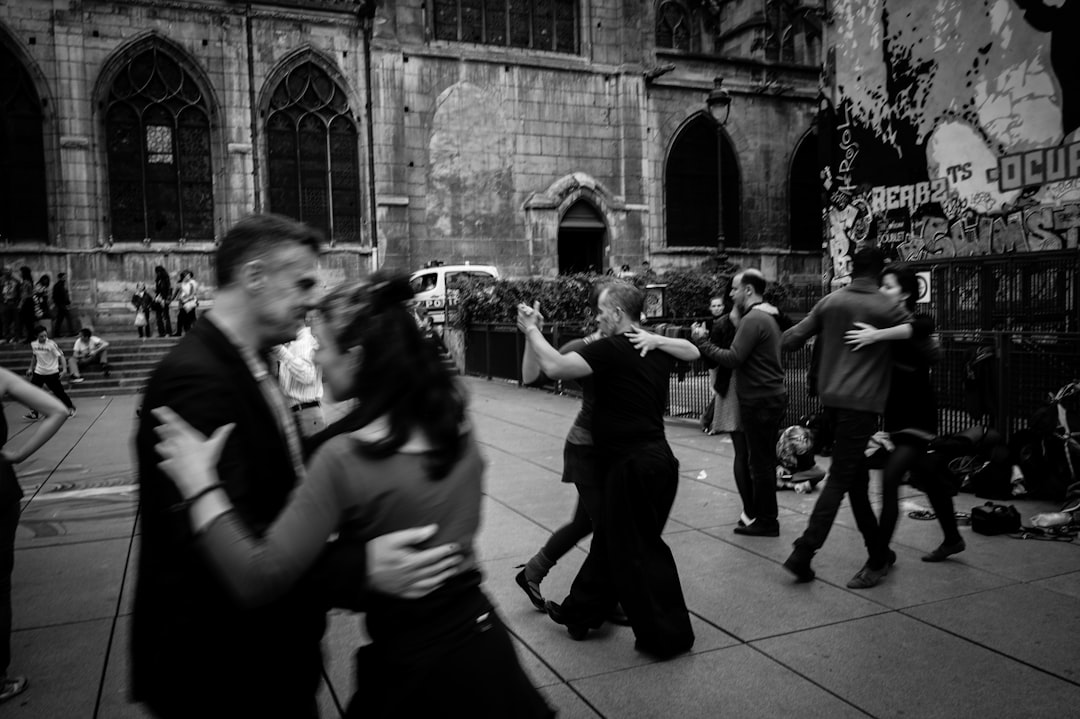
Your first tango step isn't forward—it's settling into an embrace with a stranger and trusting you'll move together. That vulnerability is exactly why beginners often fall in love with tango before they master a single step.
Unlike dances that keep partners at arm's length, Argentine tango demands connection. Two people share a frame, interpret music simultaneously, and negotiate each movement in real time. It's intimidating. It's also why dancers stay for decades.
What Makes Tango Tango
Tango emerged in the late 19th century from the working-class neighborhoods of Buenos Aires and Montevideo, blending African rhythms, European immigrant melodies, and gaucho traditions. By the 1910s, it had conquered Parisian ballrooms; by today, it thrives in communities from Tokyo to Istanbul.
The dance's defining element isn't flashy kicks or spins—it's the abrazo, the embrace. Tango happens chest-to-chest (in close embrace) or within a flexible frame (open embrace). Everything else—walking, turns, pauses—flows from that connection.
Before Your First Step: Practical Preparation
What to Wear
- Shoes: Leather-soled shoes that pivot smoothly. Rubber soles grip too aggressively and strain your knees. Dance shoes help but aren't required initially—anything with a smooth bottom works.
- Clothing: Layers. Studios vary from overheated to drafty. Avoid restrictive skirts or stiff jeans; you need to extend legs freely.
- Hygiene: Breath mints and unscented deodorant. You'll be close to partners.
Finding Instruction
Look for teachers who emphasize walking and embrace before patterns. Avoid anyone promising "ten moves in one hour." Quality beginner series span 6-8 weeks, meeting weekly. Private lessons accelerate progress but cost significantly more.
The Fundamentals: Posture, Walking, and Connection
Posture: Settled, Not Straight
Forget "stand up straight." Tango posture is forward-settled: weight slightly over the balls of your feet, spine elongated but not rigid. Imagine a string pulling gently up from the crown of your head while your chest remains available to your partner. Knees soft, hips relaxed, core engaged enough to maintain your axis.
This position lets you move responsively and protects your lower back during pivots.
The Walk
Tango is, fundamentally, a walking dance. The leader initiates; the follower responds, maintaining connection. Both move with intention:
- Leaders: Project your intention before moving. Your partner feels preparation through the embrace.
- Followers: Wait for the impulse. Anticipation breaks the conversation.
Roles: Beyond Tradition
In tango, one partner leads and one follows—roles traditionally but no longer exclusively gendered. Many dancers learn both; many same-gender couples dance together. Choose what fits you. Some communities use terms like "leader/follower" exclusively; others retain "man/woman" while welcoming all configurations. Ask your instructor about local norms.
Music and Movement: Understanding the Rhythm
Most beginner tango uses a 4-beat walking rhythm: slow (1), slow (2), quick (3), quick (4)—or simply two slow steps followed by two faster ones. This "QQSS" or "SSQQ" pattern matches the marcato beat in traditional tango orchestras like Di Sarli or D'Arienzo.
Milonga, tango's faster sibling, uses the "slow-quick-quick" pattern you may have heard. Vals (tango waltz) flows in 3/4 time. Your instructor will clarify which style you're learning; many beginners start with salon tango, which accommodates all three musics eventually.
Recommended listening: Francisco Canaro's "Poema" (slow, clear beat) for practice; Aníbal Troilo's instrumentals for inspiration.
The Social World: Milongas and Codes
Tango isn't just classes—it's a social ecosystem. Milongas (social dance events) follow unwritten codes that vary by city:
- The cabeceo: Catching someone's eye from across the room to invite a dance, rather than approaching directly.
- Tandas: Music played in sets of 3-4 similar songs. Partners dance one tanda together, then part unless explicitly continuing.
- The cortina: A non-tango song between tandas signaling partner changes.
Beginners often fear milongas. Attend anyway. Most communities include a práctica—an informal practice session after classes where experienced dancers welcome newcomers. Arrive early, stay for the práctica, ask questions.
Getting Started: A Realistic Timeline
Meet Maria, 34, accountant, self-described "two left feet." Her first month:
- Week 1: Awkward embraces, stepped on toes,