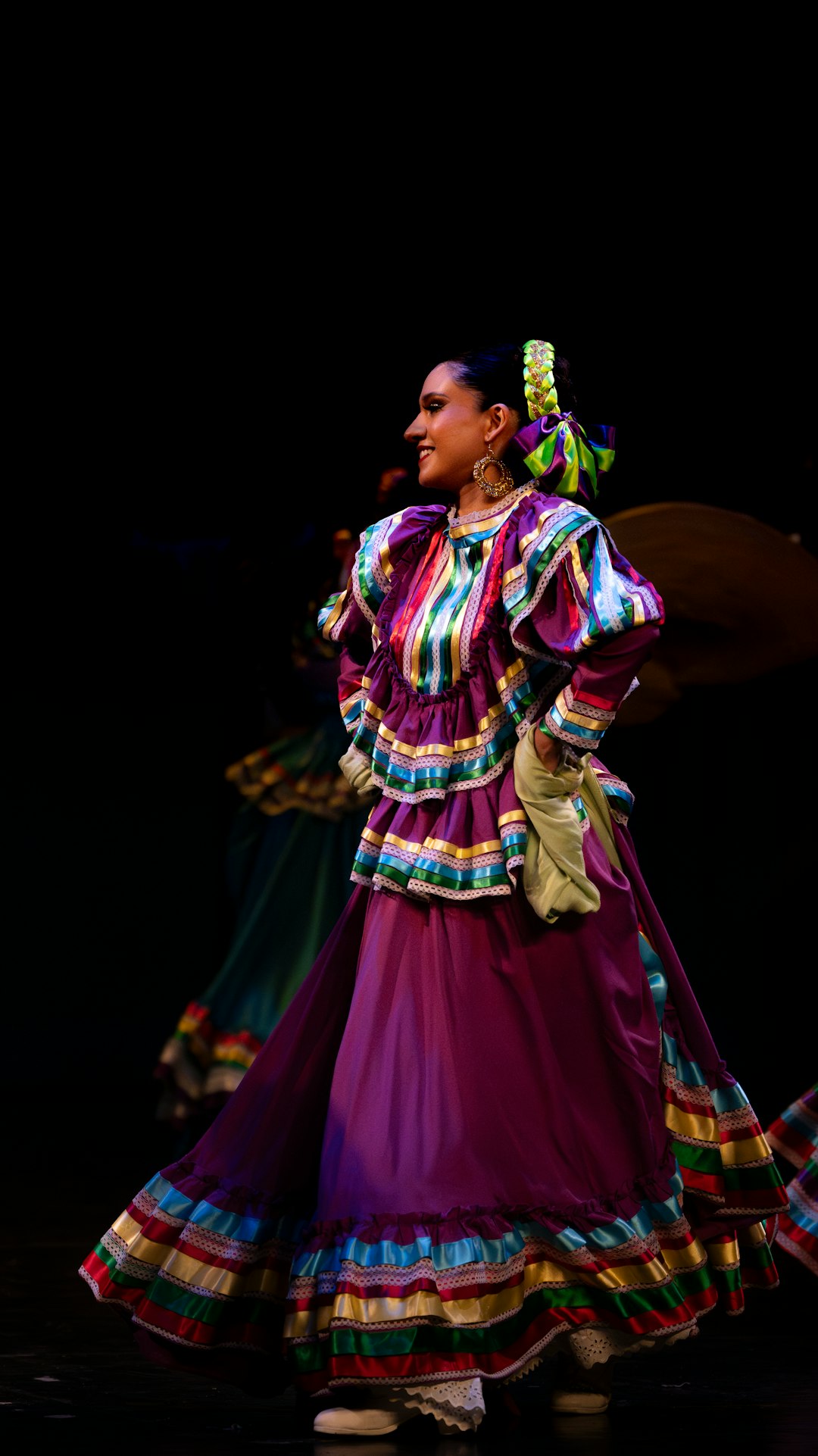
Walking into your first tango class can feel like stepping into another world. The music is rich and melancholic, couples move with an intimacy that looks almost telepathic, and there's an unspoken set of rules that everyone seems to know except you. This guide will bridge that gap—giving you the practical foundations, cultural context, and insider knowledge to begin your tango journey with confidence.
What Is Tango, Really?
Tango originated in the late 19th century in the working-class neighborhoods of Buenos Aires and Montevideo, born from the collision of European immigrants, African rhythms, and criollo culture. Today, two distinct forms dominate: Argentine Tango (improvised, social, and deeply connected) and Ballroom Tango (choreographed, competitive, with sharp, staccato movements). This guide focuses on Argentine Tango—the form practiced in milongas from Buenos Aires to Berlin.
What makes tango unique isn't flashy footwork. It's the abrazo (embrace), a chest-to-chest connection where two people share a single axis, interpreting music together in real time. The "emotional intensity" people describe isn't theatrical drama—it's the focused presence required to move as one organism while navigating a crowded floor.
Before Your First Class
Understanding Roles: Leader and Follower
Tango uses role-based dancing rather than gender-based positions. The leader (traditionally but not exclusively male) initiates movement and navigates the floor. The follower (traditionally but not exclusively female) interprets and completes those movements while contributing their own musical expression.
Most beginners commit to one role for their first 6–12 months. You can switch later—many dancers eventually learn both.
What to Wear
- Clothing: Comfortable, close-fitting clothes that allow free leg movement. Avoid restrictive jeans or flowing skirts that tangle.
- Shoes: Proper tango shoes have leather or suede soles that pivot smoothly on wood floors. For your first month, any shoe with a smooth sole and secure fit works—avoid rubber soles that grip too much, or stilettos that compromise balance. Women: 2–3 inch heels are standard but not mandatory.
Finding Instruction
Look for teachers who emphasize connection, musicality, and floorcraft over memorized patterns. Avoid any instructor who teaches "steps" without explaining how leaders and followers communicate. A reputable teacher will welcome questions about their training background—many have studied in Buenos Aires or with visiting maestros.
The Foundations: What You'll Actually Learn
The Walk (Caminata)
Tango is, at its core, elegant walking. The basic "step" isn't a step at all—it's a walk in parallel system: both partners stepping forward on the same foot (leader's left, follower's left; leader's right, follower's right). The crossed system, where partners step on opposite feet, emerges naturally from this foundation.
Practice walking in a straight line, maintaining consistent contact through your torso, without looking at your feet.
The Embrace (Abrazo)
| Position | Leader | Follower |
|---|---|---|
| Close embrace | Right arm around partner's back, hand near left shoulder blade; left hand holds partner's right hand at eye level | Left arm rests on leader's right shoulder; right hand in leader's left |
| Open embrace | Same arm positions with 6–12 inches of space between torsos, maintaining frame and connection through hands |
The embrace isn't static—it breathes, adjusting to the movement and the music. Your goal is shared balance, not rigid posture.
The Cross (Cruzada)
Tango's signature movement occurs when the follower crosses one leg in front of the other. This isn't led through force but through the geometry of the walk and the invitation of the embrace. Your instructor will demonstrate how a simple change of direction creates this iconic line.
Musical Structure
Tango music isn't counted in straightforward 4/4 time. Listen for the compás (the underlying pulse) and the fraseo (melodic phrases that stretch across bars). Begin with Di Sarli's orchestra—his clear, walking rhythm makes the beat accessible. Save Piazzolla's complex arrangements for later.
The Social World: Milongas and Etiquette
Types of Events
| Event | Purpose | Atmosphere |
|---|---|---|
| Class | Structured learning | Instructional, questions encouraged |
| Práctica | Supervised practice | Casual, experimentation allowed, feedback common |
| Milonga | Social dancing | Formal, performance-oriented, minimal talking |
The Cabeceo: Invitation by Eye Contact
At milongas, verbal invitations are considered