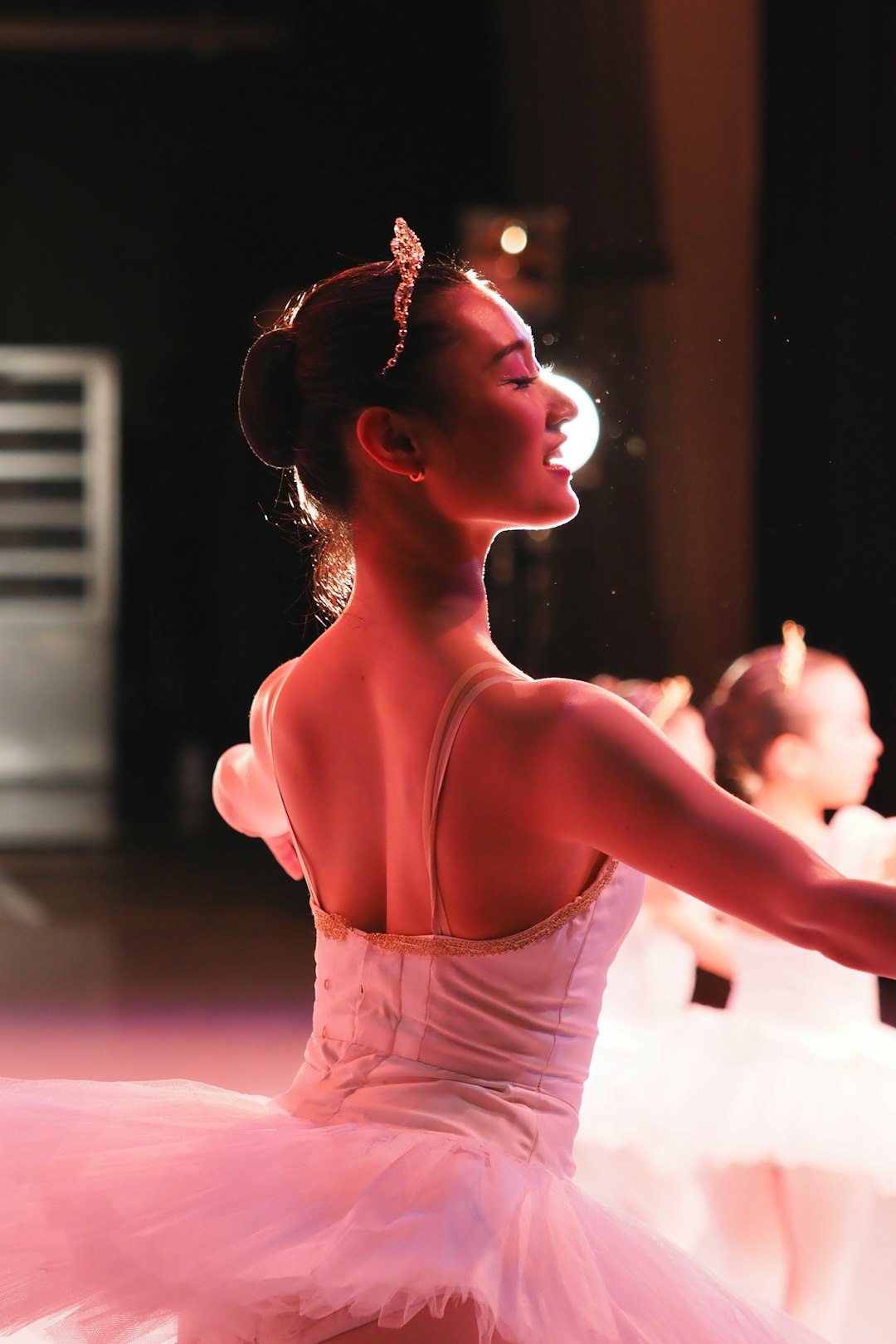
The first time you attempt tango's close embrace, you'll likely step on someone's foot. The second time, you might find yourself unexpectedly moved to tears. By the third, you may understand why tango dancers call this an addiction—never a hobby.
This guide cuts through the romance to prepare you for what actually awaits: a technically demanding, socially nuanced dance that rewards patience with moments of genuine transcendence. Here's how to begin without wasting money on wrong turns or wrong shoes.
What You're Actually Signing Up For
Tango emerged from the working-class ports of Buenos Aires and Montevideo in the late 1800s, evolving from a blend of African, European, and indigenous influences. Today, "tango" encompasses three distinct branches: Argentine tango (improvisational, embrace-focused), ballroom tango (competition-oriented, with standardized steps), and Finnish tango (upright posture, distinct rhythm). Most beginners seeking the dance they've seen in films want Argentine tango—make sure your class specifies this.
At its core, Argentine tango involves two dancers in complementary roles: the leader, who initiates movements through subtle body signals, and the follower, who interprets and responds in real time. In most classes, you'll choose one role to start, though many dancers eventually learn both. Same-sex partnerships and role-swapping are increasingly common in progressive communities.
Before Your First Class
Dress for Movement and Observation
Arrive 15 minutes early wearing comfortable, layered clothing. Studios vary dramatically in temperature, and you'll alternate between active dancing and watching others. Avoid restrictive jeans or flowing skirts that tangle in legs.
Understand the Physical Landscape
Tango's close embrace places your torsos in contact—something many beginners don't expect. Reputable instructors explain boundaries explicitly and offer "open embrace" alternatives for those uncomfortable with sustained contact. If your teacher doesn't address this proactively, find another teacher.
Learn the Cabeceo
At milongas (social dance events), verbal invitations are considered intrusive. Instead, dancers use cabeceo: the leader catches the follower's eye from across the room and tilts their head toward the floor. A nod means yes; breaking eye contact means no. This system protects everyone's dignity. Start observing it immediately, even in classes.
Your First Six Months: A Realistic Roadmap
Month 1–2: Find Instruction That Fits
Group classes offer affordability and community; private lessons accelerate technical correction. Prioritize teachers who:
- Demonstrate both roles fluently
- Explain why movements work, not just what to do
- Reference specific orchestras and rhythmic structures
Avoid any instructor who teaches rigid step sequences without addressing connection, posture, or musicality.
Cost reality check: Expect $15–$25 per group class, $60–$120 per private lesson. Budget 6–12 months of weekly classes before social dancing feels comfortable.
Month 2–3: Invest in Proper Footwear
Tango shoes differ fundamentally from ballroom or street footwear:
| Role | Heel Height | Sole Material | Key Feature |
|---|---|---|---|
| Leader | 2.5cm (1 inch) | Suede | Flexible arch for grounded pivots |
| Follower | 5–7cm (2–2.75 inches) | Suede | Secure ankle strap, open toe for articulation |
Suede soles allow controlled sliding on wooden floors; rubber grips dangerously. Leaders can start with leather-soled dress shoes; followers benefit sooner from dedicated tango heels. Rent at milongas before purchasing—quality pairs run $150–$300.
Month 3–4: Build Solo Practice
The best dancers practice alone. Twenty minutes of daily weight shifts, walking technique, and balance exercises outperforms sporadic partner work. Focus on:
- Posture: Ears over shoulders over hips, core engaged but breathing free
- Walking: Heel-first contact, rolling through the foot, arriving on balance
- Dissociation: Separating upper and lower body rotation (essential for pivots)
Month 4–6: Decode the Music
Tango music isn't background atmosphere—it's a structural partner. Start with Carlos Di Sarli's orchestra (1935–1955): his piano-driven arrangements offer steady, walkable rhythms ideal for beginners. Progress to Juan D'Arienzo for sharper, more driving beats; save Astor Piazzolla's complex, concert-hall compositions for your second year.
Listen actively for the compás (underlying pulse) and fraseo (melodic phrasing). Can you walk in time? Can you identify when a musical phrase ends? This awareness separates mechanical dancers from musical ones.










