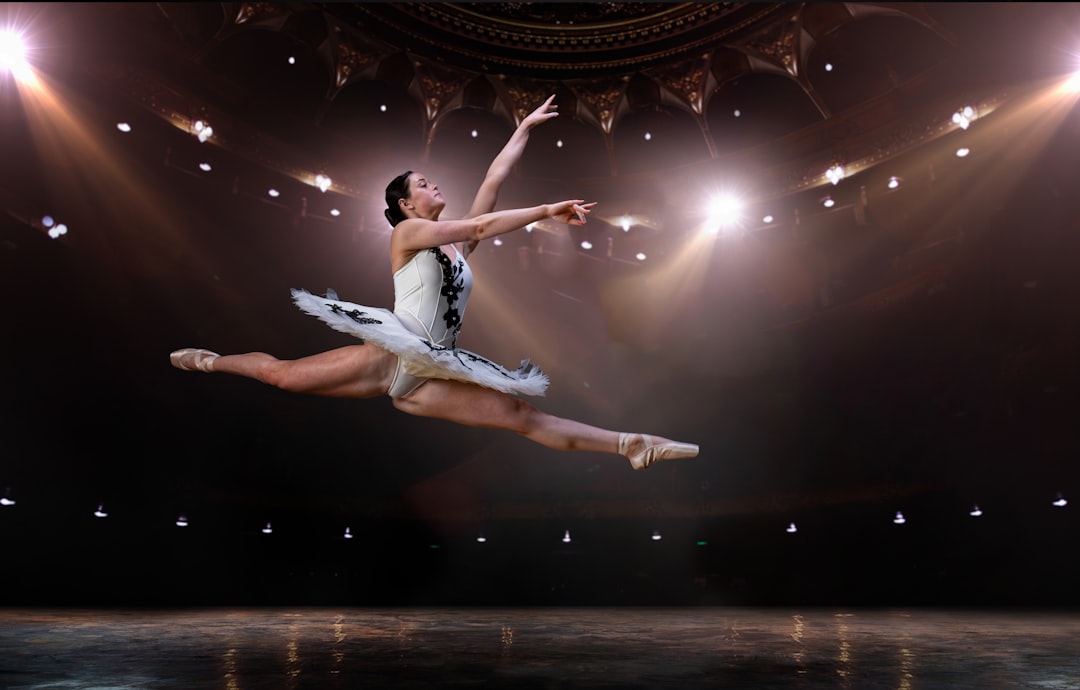
Tango seduces newcomers with its drama and romance, but rewards only those who build their practice on disciplined fundamentals. Whether you dream of social dancing in Buenos Aires milongas or simply want to move with authentic confidence, three pillars separate fleeting enthusiasm from genuine mastery: technical precision, musical intelligence, and partnership connection.
Understanding Tango's Two Worlds
Before stepping onto any floor, recognize that tango diverges into distinct paths. Tango salon (also called tango de pista) dominates social dance halls—intimate, improvisational, governed by the ronda's counterclockwise flow. Tango escenario (stage tango) explodes with theatrical lifts, extended lines, and choreographed spectacle designed for audiences rather than fellow dancers.
Most beginners conflate these styles, studying stage technique while hoping to social dance, or vice versa. Clarify your intentions early. Salon skills transfer poorly to staged performance; stage flash disrupts the social floor. Choose your foundation accordingly.
Technical Mastery: The Body as Instrument
Posture and Alignment
Forget generic "stand up straight" advice. Tango posture operates through specific mechanical principles:
- Weight distribution: Settle slightly forward, over the balls of your feet—never rocking back onto your heels. This forward commitment enables the dance's characteristic suspension and release.
- Spinal elongation: Imagine a fine thread lifting from your crown toward the ceiling while your tailbone releases downward. This creates the elegant vertical line without the rigidity of military posture.
- Shoulder girdle: Release your shoulder blades down your back, allowing your chest to open naturally. Tension here destroys the embrace's sensitivity.
Practice against a wall: heels, sacrum, and shoulder blades maintain light contact while your head floats free. Maintain this relationship as you walk—this is your tango architecture.
Footwork Fundamentals
Tango walks. Everything else embellishes this truth. Master the caminata before attempting figures:
- Collect your feet beneath your hips between steps
- Brush the floor with your moving foot, knee relaxed
- Place the foot deliberately, transferring weight completely before initiating the next movement
Rushed weight changes produce the jerky, unstable movement that marks inexperienced dancers. Slow practice—half-speed or slower—builds the neuromuscular patterns that later enable speed without sacrificing control.
Musical Fluency: Dancing the Orchestra
Tango music offers extraordinary depth. Familiarize yourself with its architects:
| Orchestra | Character | For Practicing |
|---|---|---|
| Juan D'Arienzo | Driving, rhythmic, staccato | Sharp footwork, precise timing |
| Carlos Di Sarli | Lush, melodic, smooth | Walking technique, elegant phrasing |
| Osvaldo Pugliese | Complex, dramatic, orchestral | Advanced musical interpretation |
Timing and Phrasing
Tango music pulses in compás—measures of four beats, typically grouped in phrases of eight. Beginners often fixate on single beats; intermediate dancers hear phrases. Advanced dancers inhabit the entire musical architecture.
Exercise: Listen to Di Sarli's "Bahía Blanca." Count aloud: "ONE-two-three-four, TWO-two-three-four..." feeling how the second measure completes the first. Your steps should acknowledge this larger breath, not merely tick through individual beats.
Dynamics and Expression
Musicality manifests in how you execute, not merely when. The same step sequence transforms through:
- Volume: Small, contained movements versus expansive, sweeping gestures
- Texture: Sharp staccato accents versus legato flow
- Suspension: Deliberate delay before resolution, creating tension
Practice by dancing the same eight-count basic to D'Arienzo (percussive, energetic) then Di Sarli (romantic, flowing). Notice how your body naturally adapts—or resists. This resistance reveals your musical habits and growth edges.
The Embrace: Connection as Craft
Tango's most misunderstood element. The embrace is not affection; it is information exchange. Through this contact, leaders propose, followers respond, and both partners negotiate the dance in real time.
Leading and Following
Leaders: Your role is invitation, not command. A genuine lead offers clear direction while remaining sensitive to your partner's response. Force creates resistance; clarity creates flow.
Followers: Your role is active interpretation, not passive obedience. The best followers maintain their own axis, musicality, and expressive voice while remaining available to the lead's proposals.
Practical Connection Drills
- The blind walk: Close your eyes. Your partner guides you across the floor using only embrace communication. Switch roles. This reveals how much information actually transmits through proper contact.
- The one-song rule: Dance an entire tanda with a