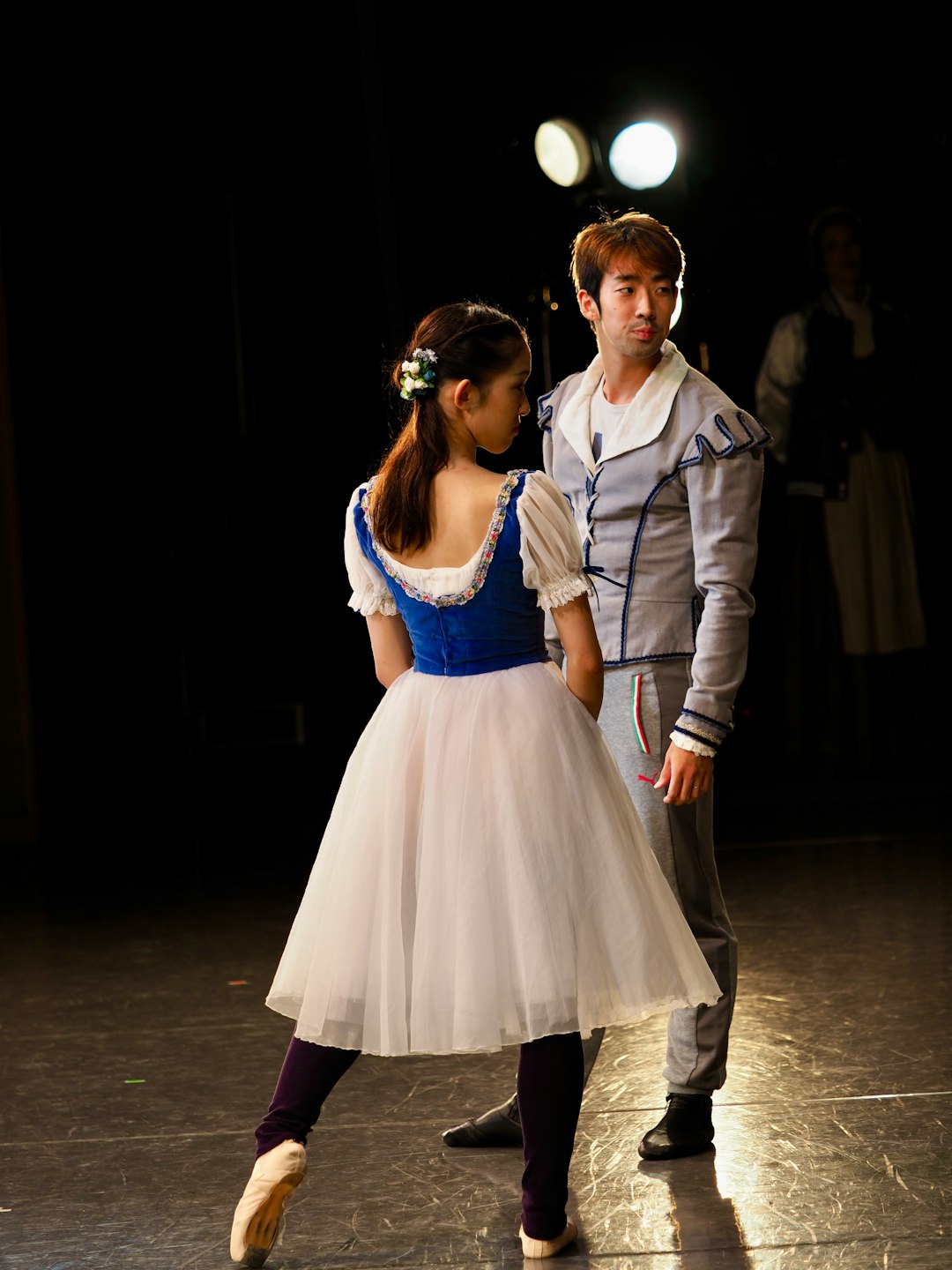
Every tango dancer remembers their first awkward attempt at the embrace—that moment of uncertainty when two strangers must become partners, bodies aligned, breath synchronized, ready to move as one. If you're standing at the threshold of your tango journey, wondering whether this dramatic, passionate dance is within reach, the answer is yes. But let's be honest about what "mastering the basics" actually requires: not vague inspiration, but concrete technique, patient practice, and a willingness to feel clumsy before you feel graceful.
This guide cuts through the romance to give you what beginners actually need—clear, actionable instruction on the three pillars that separate tango from every other partner dance.
The Embrace: Where Technique Meets Feeling
Before you take a single step, you must understand the embrace. Tango doesn't happen at arm's length. The quality of your connection determines everything that follows.
There are two fundamental embrace styles:
Close embrace: Chests touch, creating a shared axis. Heads may touch or turn slightly away. This is the traditional social tango of Buenos Aires milongas—intimate, efficient, and deeply connected.
Open embrace: Partners maintain space between their torsos, connecting through the arms. This allows for more complex figures and is common in stage tango and some teaching methods.
How to find your embrace:
- Stand facing your partner, shoulders relaxed, spine lengthened
- Leaders: offer your right hand palm-up at follower chest height; left arm extends to the side
- Followers: place your left hand on your partner's right shoulder blade, fingers together (not spread)
- Both: drop shoulders away from ears, soften knees, find your shared balance point
The embrace is alive. It breathes. It adjusts. Maintain your frame without rigidity—think "structured relaxation."
The Tango Walk: Your Foundation Everything
If you cannot walk beautifully, you cannot dance tango. Full stop.
The tango walk (caminata) differs fundamentally from ordinary walking. Here's what changes:
Weight transfer: In daily life, we fall forward and catch ourselves. In tango, you move onto each foot with complete intention, settling your weight fully before initiating the next step. Practice this: stand on one foot. Feel every muscle adjusting. That's the awareness each step requires.
Knee flexion: Keep knees soft, never locked. This lowers your center of gravity and creates the capacity for sudden changes of direction.
Foot placement: Feet brush past each other, nearly touching, on each step. The moving foot traces the inside edge of the standing foot before extending. No wide strides. No rushing.
Contra-body movement: As you step forward with your left foot, your right shoulder advances slightly. This natural opposition creates tango's distinctive line and prepares you for pivots.
The delay: The follower responds to the leader's intention, not their movement. This micro-delay—milliseconds of tension before motion—generates tango's electricity.
Solo practice (10 minutes daily):
- Stand tall, weight on one foot, free foot relaxed
- Transfer weight slowly, counting four beats: preparation, extension, arrival, settlement
- Walk forward four steps, backward four steps, maintaining consistent rhythm
- Add the "silent count"—the space between steps where possibility lives
Dissociation and the Pivot: Creating Tango's Geometry
Tango's most recognizable visual element—the sharp pivot, the sudden change of direction—depends on dissociation: the ability to rotate your upper and lower body independently.
The technique:
- Keep your hips stable and forward-facing
- Rotate your torso from the waist up
- Allow your free leg to respond naturally to the spiral
Without dissociation, pivots become clumsy turns. With it, you create the ochos (figure-eights) and giros (turns) that define tango vocabulary.
Practice solo: Stand with feet hip-width apart. Rotate your upper body 45 degrees right, then left, keeping hips absolutely still. When this feels natural, add weight changes: pivot, step, pivot, step.
Musicality: Dancing What You Hear
Tango music operates in layers. Beginners often fixate on the basic 2/4 or 4/4 pulse while missing the fraseo—the melodic phrasing that gives each piece its emotional arc.
Start here:
- Listen to Carlos Di Sarli's instrumentals. His clear, walking rhythm is ideal for beginners
- Count "1-2-3-4" but feel where the melody breathes—where it asks for suspension or acceleration
- Walk on the strong beats (1 and 3); practice double-time steps on 1-and-2-and when the music intensifies
Your first musical goal isn't complexity. It's honesty.