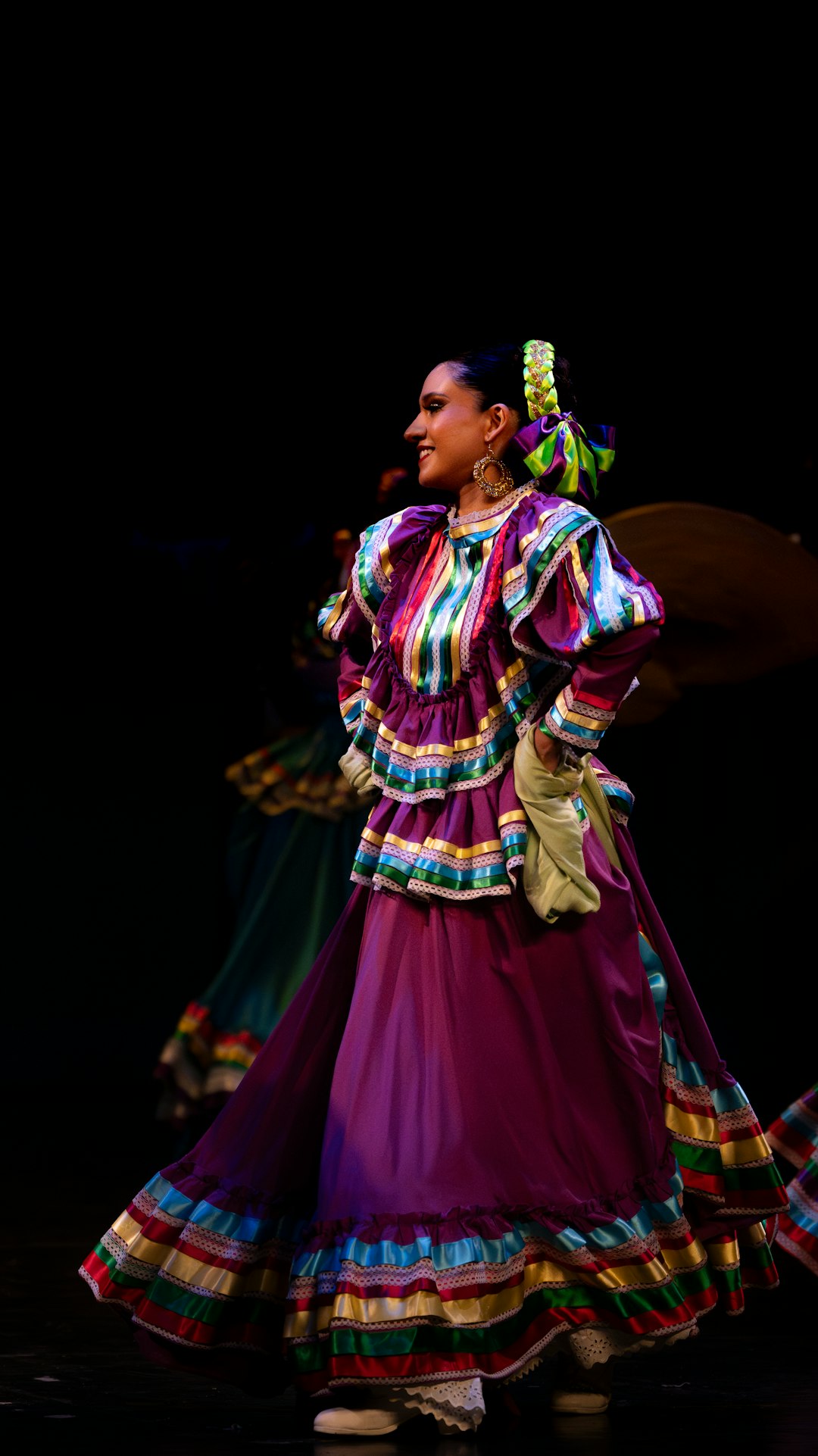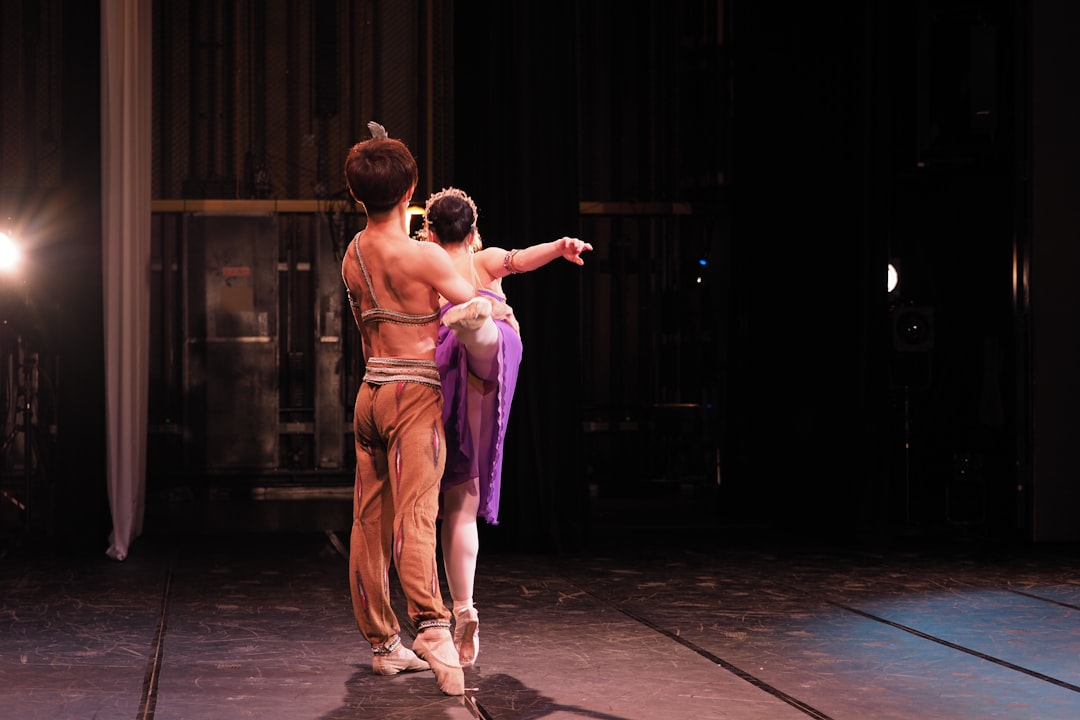
In 1913, Parisian high society could speak of nothing else. The dance that began in the muddy outskirts of Buenos Aires—practiced by dockworkers, pimps, and immigrants in dimly lit bars—had conquered the City of Light. The tango had arrived, and nothing would be the same.
Yet just twenty years earlier, respectable Argentine society pretended the tango didn't exist. Born in the 1880s in the marginal neighborhoods where the Río de la Plata meets the Atlantic, the dance emerged from collision: Italian tenors meeting African drum circles, Polish mazurkas dissolving into Cuban habaneras, the melancholy of exile finding rhythm in the bandoneón's sigh.
The Birth in the Barrios
The tango crystallized in the arrabales—the peripheral slums of Buenos Aires and Montevideo. These were spaces of radical mixing. European immigrants, primarily Italian and Spanish, arrived by the millions between 1880 and 1930, bringing their musical traditions. The milonga—a fast-paced song and dance—traveled with them. So did the habanera, with its distinctive syncopated rhythm, filtering north from Cuba.
But the tango's heartbeat was African. The candombe drumming of enslaved and free Black communities in Uruguay and Argentina provided its propulsive engine. The payada—improvised competitive singing—contributed its competitive spirit. Early tango was practiced in academias and milongas, dance halls that doubled as brothels, where men learned the steps with each other before inviting women to join.
This was a dance of the despised. The close embrace—chest to chest, cheek to cheek—violated Victorian propriety. The cortes and quebradas, sudden stops and dramatic poses, suggested violence and seduction. Police raided tango gatherings. The Argentine elite, when they acknowledged it at all, dismissed it as música de mala muerte—music of a bad death.
The Long Road to Respectability
The tango's path to acceptance wound through decades of cultural negotiation. By the early 1900s, it had migrated from the arrabales to the centro, performed in cafés and theaters for working-class audiences. The dance began codifying: the salon style for refined spaces, the orillero style retaining its street edge.
The crucial turning point came from abroad. In 1910, the wedding of Argentine President Roque Sáenz Peña's daughter brought European aristocrats to Buenos Aires. They returned with phonograph cylinders and scandalous stories. By 1913, the tango craze had overtaken Paris—so thoroughly that Pope Pius X condemned it, which only increased its allure. London society initially banned the "close embrace" as indecent; within two years, they were hiring Argentine instructors by the dozen.
This international validation transformed the tango's status at home. What Paris approved, Buenos Aires could no longer reject. The dance moved into respectable venues. The orquesta típica emerged as the standard ensemble: bandoneón, violin, piano, double bass. Composers like Juan Carlos Cobián and Osvaldo Fresedo refined the musical form, smoothing its rough edges without sacrificing its emotional core.
Carlos Gardel and the Golden Age
No figure embodies tango's global ascent like Carlos Gardel. Born in Toulouse, France, or possibly Tacuarembó, Uruguay—his origins remain disputed—Gardel arrived in Buenos Aires as a child. He began singing in bars and cafés de caminito, his tenor voice and movie-star charisma electrifying audiences.
By the 1920s, Gardel was tango's voice. His 1934 film El Día Que Me Quieras screened across Latin America and Europe. His recordings sold millions. When he died in a plane crash in Medellín, Colombia, in 1935, the mourning transcended borders. Buenos Aires declared three days of official grief. To this day, devotees maintain his grave at Chacarita Cemetery, leaving fresh cigarettes in the bronze hand of his statue.
Gardel's era marked tango's Golden Age, roughly 1935 to 1955. The dance reached its technical peak. Orchestras led by Aníbal Troilo, Francisco Canaro, and Juan D'Arienzo filled dance halls. The milonga and vals criollo flourished alongside the tango proper. Radio and cinema broadcast the culture globally.
Dictatorship, Exile, and Reinvention
Political catastrophe nearly silenced the tango. The 1955 military coup against Juan Perón—who had actively