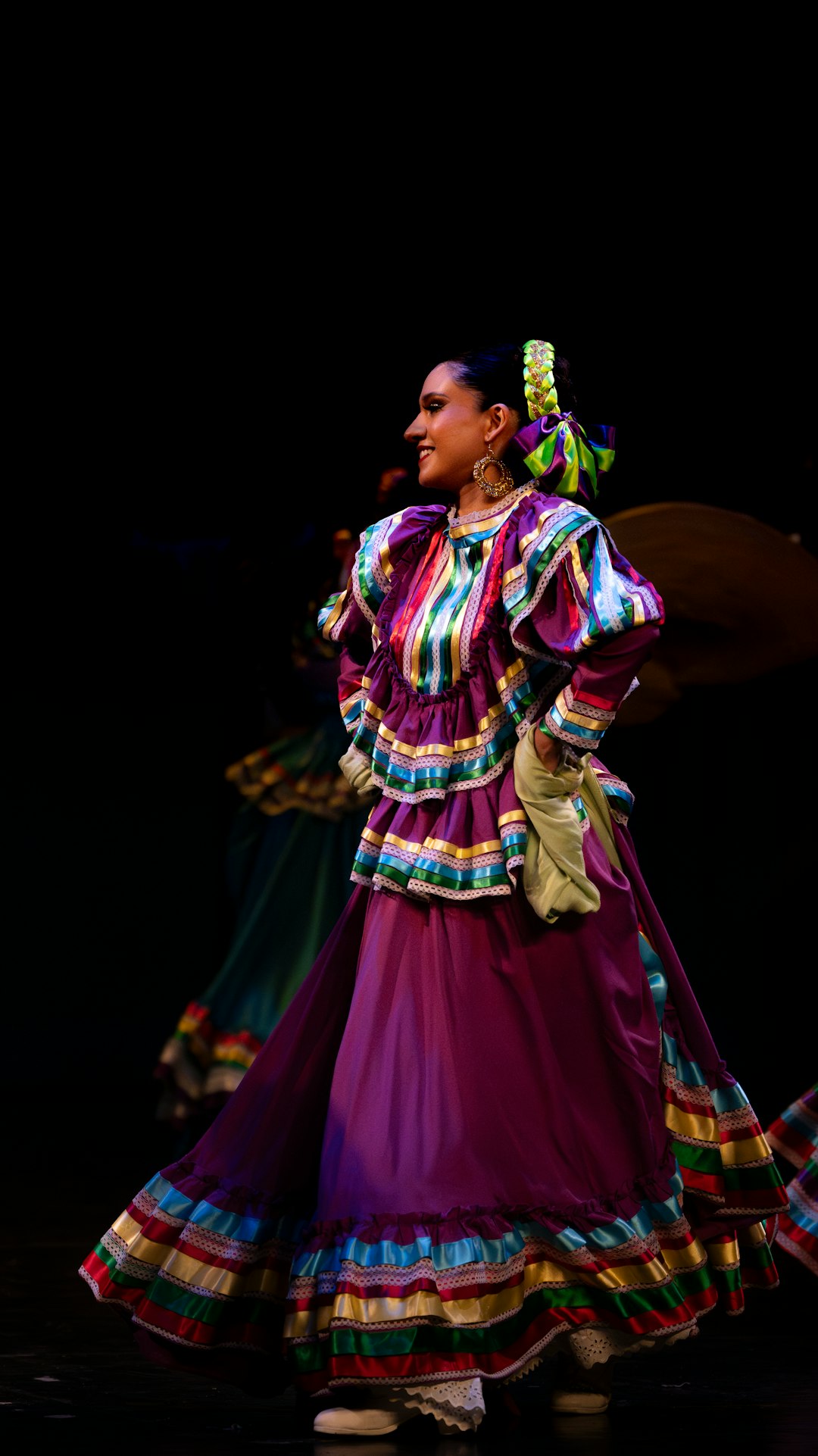
In 2019, more than 500,000 people streamed into Buenos Aires for the annual Tango Festival and World Championship. A decade earlier, that number would have been unthinkable. Yet this surge in global popularity masks a deeper tension: as tango spreads through YouTube tutorials, Spotify playlists, and virtual milongas, dancers and scholars fiercely debate what—if anything—remains of the dance's Argentine soul.
The 21st century has transformed tango from a regional cultural practice into a global phenomenon, accelerated by digital technology and driven by contradictory impulses toward innovation and preservation. Understanding this evolution requires moving beyond platitudes about "fusion" and examining the specific forces, personalities, and controversies that have redefined the dance.
The Technology Disruption: From Buenos Aires Basements to Global Screens
The master-apprentice relationship once defined tango pedagogy. Aspiring dancers traveled to Buenos Aires, spent years in crowded milongas, and learned through embodied osmosis—watching, failing, and eventually finding their place in the codigos (traditional codes) of the dance floor.
YouTube fundamentally disrupted this model. Beginning around 2008, instructional videos from Argentine masters like Sebastian Arce and Mariana Montes made complex techniques visible and analyzable frame-by-frame. By 2015, a teenager in Seoul could study the same gancho sequence that previously required expensive travel and years of mentorship.
"The accessibility is democratizing," says Dr. Carolyn Merritt, anthropologist and author of Tango Nuevo. "But there's a loss of contextual learning. You can copy the step without understanding why the floorcraft matters, why the embrace communicates differently in different Buenos Aires neighborhoods."
The COVID-19 pandemic accelerated this transformation dramatically. When global lockdowns shuttered milongas in March 2020, the tango world faced existential crisis—or adaptation. Within weeks, virtual milongas emerged on Zoom and specialized platforms like TangoMio. Dancers in isolation practiced solo technique, participated in global workshops, and developed "tango fitness" routines that kept communities connected across continents.
Argentine instructor Pablo Repetto, who pivoted his Buenos Aires studio to online instruction, notes the unexpected outcome: "I now have regular students in twenty-three countries. Some will never visit Argentina. They're creating their own tango cultures with different references."
Streaming technology has also reshaped musical consumption. Spotify's algorithmic recommendations have introduced younger dancers to Golden Age orchestras while simultaneously promoting neo-tango electronic projects like Gotan Project and Bajofondo. The result is a generation comfortable moving between Di Sarli and downtempo electronic beats within the same evening—a musical flexibility that would have scandalized traditionalists two decades ago.
Style Wars: Neotango, Tango Escenario, and the Authenticity Debate
Contemporary tango exists in productive tension between preservation and innovation, with three distinct stylistic branches commanding global followings.
Tango de Salón remains the dominant social dance form, emphasizing improvisation, close embrace, and navigation of crowded floors. Yet even this "traditional" style has evolved. Korean and Japanese dancers, who now constitute significant populations at Buenos Aires milongas, have influenced embrace aesthetics—often tighter, more collected, with subtle footwork variations that distinguish their regional schools.
Tango Escenario (stage tango) has pushed technical boundaries through choreographers like Esteban Moreno and Claudia Codega, whose 2017 production "Chantecler" incorporated aerial lifts and extended lines borrowed from ballet and contemporary dance. These innovations, developed for theatrical presentation, inevitably filter back to social dance floors, where they create friction with traditional floorcraft.
Most controversial is Neotango (also called Tango Alternativo), which explicitly rejects Golden Age music in favor of electronic, world music, and even pop soundtracks. Neotango events in Berlin, Istanbul, and San Francisco feature open embrace, linear movement patterns, and choreographed sequences that prioritize individual expression over couple connection.
"The neotango people aren't destroying tango," says Berlin-based instructor and event organizer Andreas Lange. "They're creating something else entirely, with different values. The question is whether we call it tango or not—and that naming fight is really about who controls the cultural capital."
This debate intensified in 2018 when the Buenos Aires World Championship introduced separate categories for "Tango de Pista" (salon style) and "Stage Tango," implicitly acknowledging divergent evolution. Traditionalist organizations like the Academia Nacional del Tango have pushed back, arguing that competition criteria increasingly reward athletic spectacle over musical interpretation and social connection.
Geographic Expansion: New Centers, New Voices
Tango's global map has redrawn itself. While Buenos Aires remains the symbolic center, several cities now function as significant alternative hubs:
- Berlin hosts Europe's