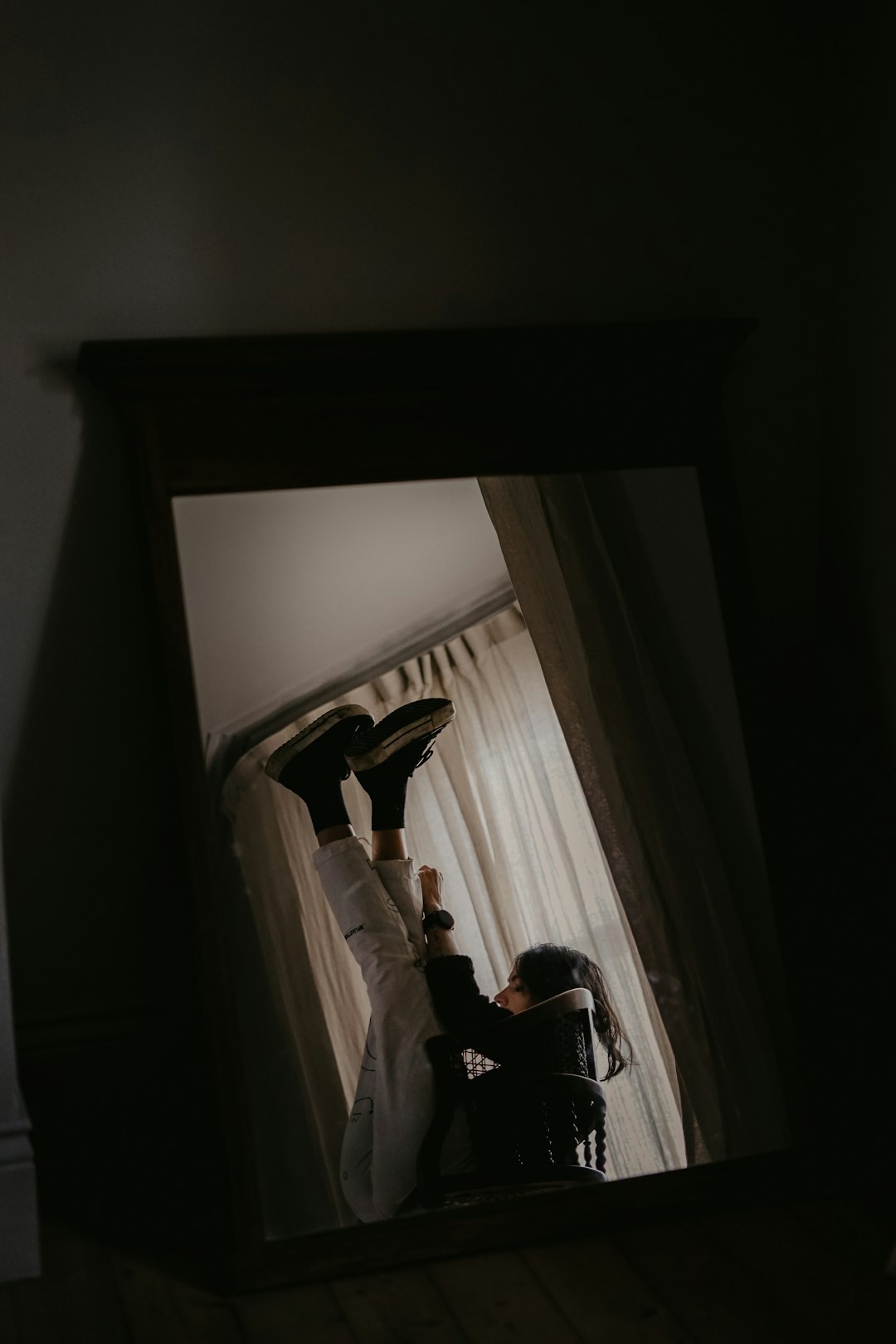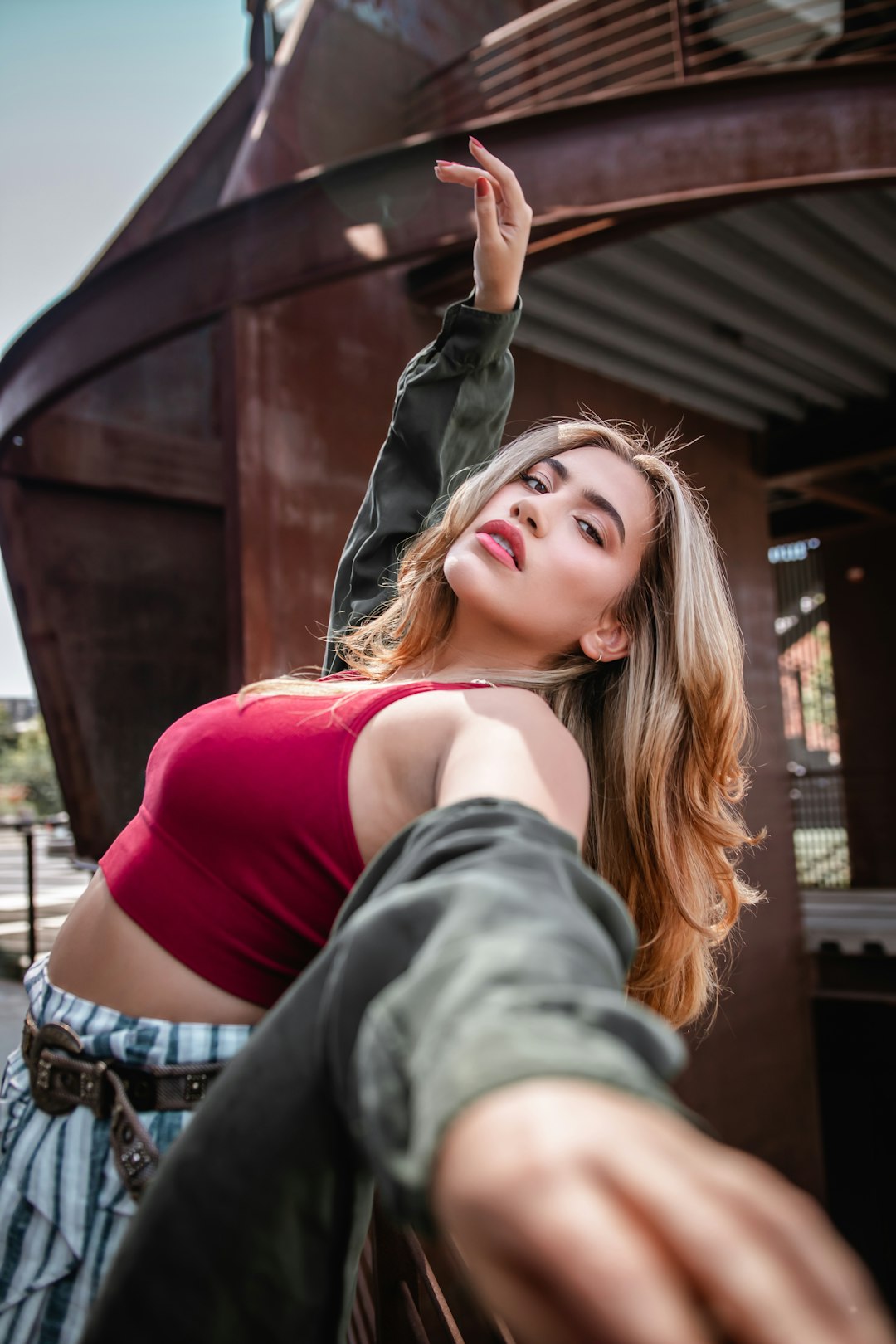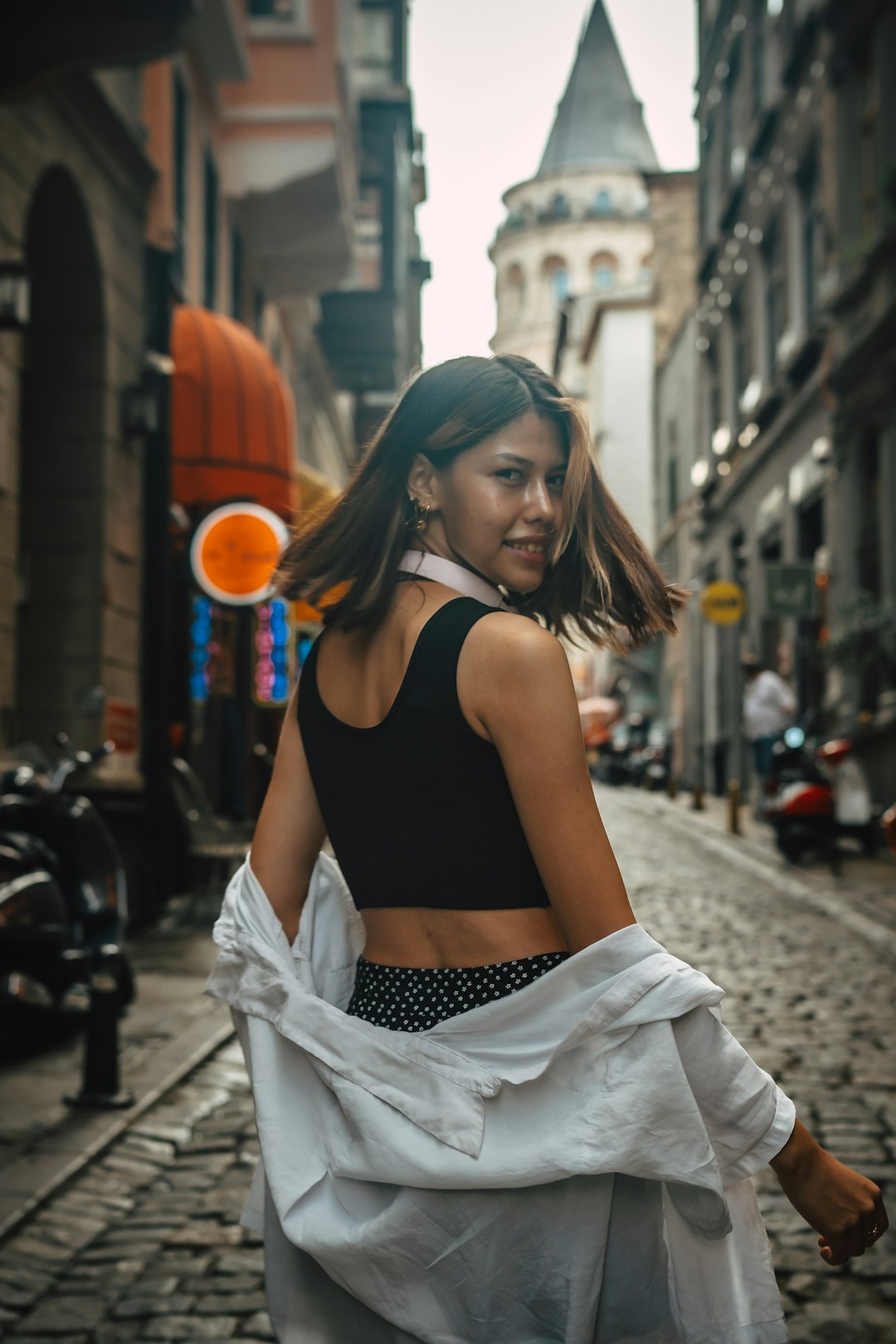
A poorly placed seam, a waistband that rides, fabric that traps heat — any of these can break your concentration mid-time step. In tap, where precision meets percussion, your clothes aren't just attire; they're equipment. The wrong choice doesn't merely chafe; it muffles your sound, hides your technique from teachers, and can sideline you with preventable injuries.
The Stakes: Why Tap Demands More Than Generic Dancewear
Tap dancing imposes unique physical demands that generic athletic wear fails to address. Rapid-fire footwork generates significant heat in the lower body while leaving the upper body relatively cool. Floor contact creates friction wear patterns unknown to vertical dancers. Most critically, your ankles — the engine of every shuffle, flap, and paradiddle — must remain visible to instructors, judges, and your own mirror-checking eye.
Restriction at the knee can strain your joints during crawls and floor work. A pant break that catches on your heel tap throws off your timing. These aren't hypothetical risks. Blisters from inseam placement, iliotibial band irritation from compressive thigh bands, and lower back strain from waistbands that shift during torso isolations are recurring studio injuries with direct sartorial causes.
The Non-Negotiables: Critical Fit Points
Ankles and Calf Lines
Your ankle must remain unobstructed and visible. Look for:
- Cropped leggings ending 2–3 inches above the ankle bone
- Split-sole pants with articulated knee construction that doesn't bunch at the calf
- Fitted cuffs that won't ride up during high knee lifts or fall down to cover your taps
Avoid: Boot-cut pants, loose joggers, or any hem that creates fabric break over your shoe. These obscure technique and create trip hazards.
Waist and Hip Stability
Tap requires rapid weight shifts and torso isolations. Your waistband must stay fixed without digging. Test with a full spin and a deep plié — any rolling or gaping fails.
Knee Articulation
Fabric must accommodate full flexion without pulling across the thigh or binding behind the knee. Four-way stretch with minimum 12% spandex content maintains coverage through crawls, knee drops, and deep second-position squats.
Fabric Science for the Studio Floor
Tap-specific fabric requirements diverge from standard dancewear:
| Property | Why It Matters | What to Look For |
|---|---|---|
| Moisture management | Lower-body heat generation with upper-body sweat accumulation | 90/10 nylon-spandex blends, or polyester with brushed interior for wicking |
| Abrasion resistance | Floor contact, knee slides, and heel drops create wear points | Reinforced knees, double-layer seat panels, pilling-resistant weave |
| Recovery | Garments must hold shape through repeated deep stretching | High elastane content with Lycra® brand fiber (superior recovery to generic spandex) |
| Weight | Heavy fabrics dampen movement perception; ultra-light shows every line | Mid-weight (220–260 gsm) for classes; lighter for performance |
Avoid: Cotton-rich blends that sag when damp and degrade quickly against marley flooring. Pure polyester without mechanical stretch restricts your full range.
The Visibility Factor: Technique Depends on Being Seen
Your teacher cannot correct what they cannot see. Baggy silhouettes obscure heel drops and toe articulation. Dark colors under dim studio lighting flatten your line. Consider:
- Contrast principles: Light shoes with dark leggings, or vice versa, define your footwork clearly
- Seam placement: Side-seam leggings create a vertical line that elongates; center-back seams can distort alignment feedback in mirrors
- Torso coverage: Cropped tops or fitted tanks allow teachers to monitor shoulder alignment and core engagement during traveling steps
For self-correction, your mirror image must accurately reflect your actual lines. Clothes that compress or redistribute mass create false feedback loops.
Style Within Hard Constraints
Comfort and aesthetics aren't opposing forces, but style must yield to function in specific contexts:
Competition dress codes often mandate particular colors or coverage levels. Acquire these pieces early and rehearse in them — unfamiliar costuming on performance day introduces unpredictable variables.
Period choreography may require historically accurate (and historically uncomfortable) construction. Build these pieces with modern underlayers: moisture-wicking briefs beneath vintage-cut shorts, or stretch panels invisibly integrated into authentic silhouettes.
Contemporary styling offers more freedom. Color psychology research suggests red and orange read as energetic and confident under stage lights; deep jewel tones photograph with dimensional richness. Vertical striping elongates leg lines; strategic paneling can emphasize turnout.
Investment Logic: The Economics of Quality
Quality tapwear demonstrates return through longevity metrics:
| Indicator | Budget Piece | Quality Investment |
|---|---|---|
| Expected lifespan | 6–12 months regular use |