---
The Outfit Fails That Actually Taught Me Things
I still remember the exact moment my first jazz costume betrayed me. Stage right, mid-double turn, about to nail the final pose—and my sequined top started shedding beads like confetti at a parade gone wrong. Three hundred sequins later, the front row looked like they'd weathered a very glamorous blizzard. The director just shook her head: "You wore a costume, not dancewear."
That's the distinction nobody talks about. Jazz outfits aren't just clothes you happen to dance in—they're functional gear that happens to look good. Get that equation wrong and you'll spend your performance adjusting, worrying, or picking sequins off your thighs instead of actually dancing.
Movement First, Aesthetics Second
Here's what took me embarrassingly long to learn: you cannot separate comfort from style in jazz. They're not trade-offs—they're the same requirement wearing different masks.
The thing about jazz technique is it asks your body to do impossible things. High kicks that clear your eyeline. Floor work that rolls through your spine. Those weird little syncopated foot patterns that look effortless until you try them in something that doesn't stretch. Your outfit has to survive all of that and still read from the back row.
Breathable, four-way stretch fabric isn't a luxury. It's the baseline. I learned this after wearing a gorgeous but stiff cotton blouse to a competition and spending half my solo fighting the fabric instead of my choreography. Cotton-spandex blends became my go-to, and I've never looked back.
For pants, fitted is non-negotiable. Not skin-tight in a self-conscious way—fitted in a "this will move with my legs and not ride up during acrobatics" way. Footless leggings, stirrup pants, whatever lets you see the line of your leg when it's extended. Baggy sweatpants might be comfy, but they'll make you look like you're wrestling your own outfit during every jump.
Finding Your Jazz Era (Yes, You Have One)
Jazz dance didn't spring fully formed from nowhere. It grew out of African American vernacular traditions, got polished in ballrooms during the big band era, and kept evolving through musical theater and pop culture. That history isn't decorative—it's loadbearing.
What that means practically: every jazz dancer has an era that speaks to them, and your costume can honor that. Some dancers feel the 1920s in their bones—flapper dresses, dropped waists, fringe that actually moves when you move. Others connect more with the sleek 1950s, capri pants and fitted bodices, that Fred Astaire elegance. And then there's the full-1960s-mod thing some competition circuits can't get enough of.
This isn't about historical accuracy. It's about finding a visual language that makes your movement feel grounded. When I dance in something that has that vintage jazz DNA, my phrasing just feels different. More connected. Like I'm part of something bigger than my solo.
The modern shortcut: take one vintage element and pair it with contemporary dancewear. A beaded headband with a simple unitard. A high-waisted pant with a crop top. You're not cosplaying the past—you're borrowing from it.
Color Is Your First Audience Connection
Before you even start moving, your costume color is already communicating something. The stage lights are going to transform whatever you wear, sometimes dramatically, so think about contrast and visibility first.
I learned this from watching a dancer at a showcase wear a gorgeous dusty rose costume that disappeared entirely under the warm lighting. She was technically the best dancer in the room, and from the third row back, she looked like a floating head with mysterious limbs.
Dark bottoms with a lighter or brighter top is a reliable formula because it creates that clear silhouette judges and audiences can read. But don't sleep on the power of a single bold color, especially if the choreography is intricate. Sometimes the cleanest choice—bright red, deep navy, classic black—is the one that lets your movement do the talking.
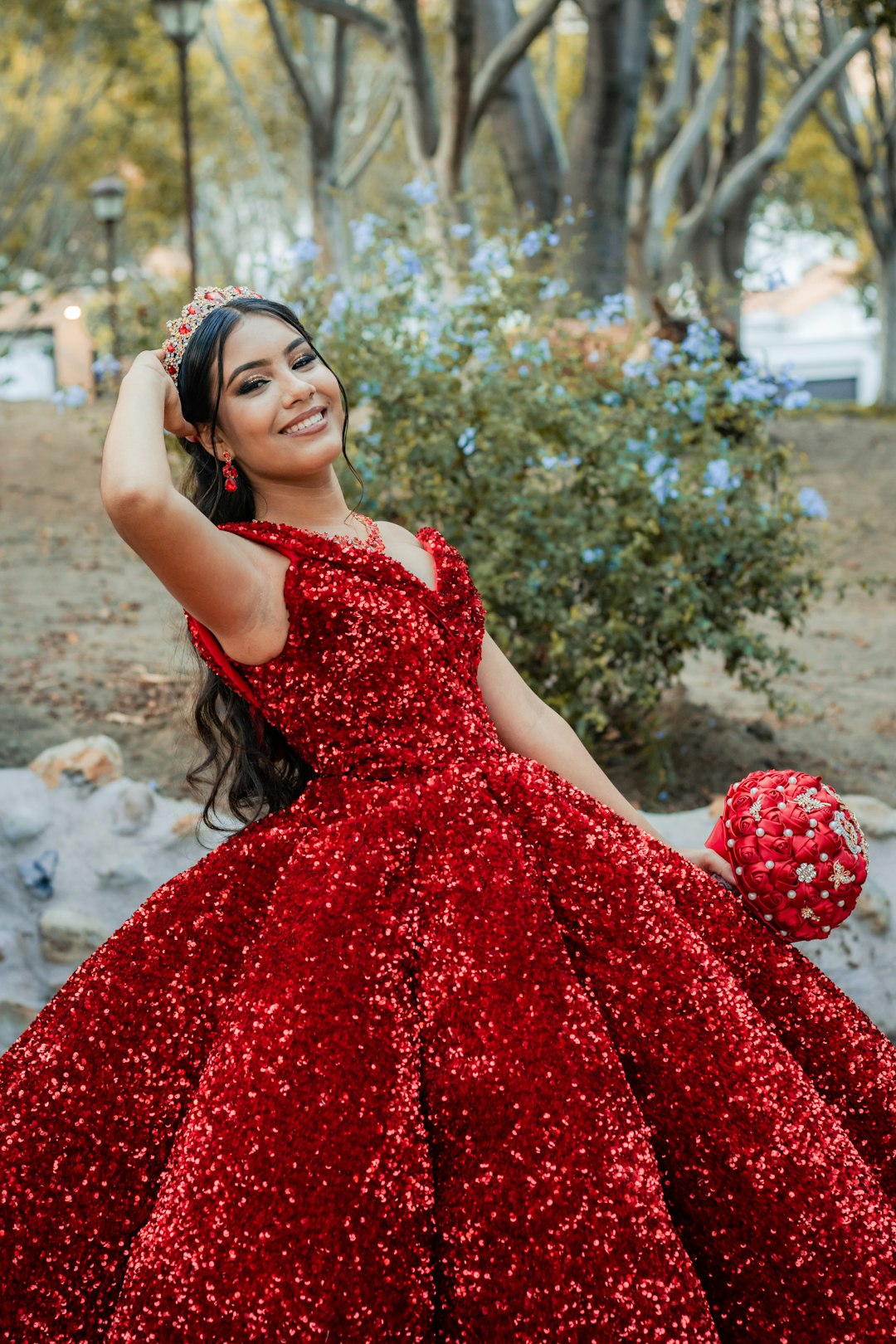
Sequins exist for a reason. They catch light, add dimension, photograph beautifully. But there's a difference between a strategic sequin bodice that glints during turns and a full-sequin-everything situation that becomes visual noise. One embellishment zone, maximum. Let it do its job.
The Shoe Situation Is More Complex Than It Looks
Jazz shoes are split-sole for a reason: the arch in the sole lets your foot articulate through the floor work without fighting rigid leather. The suede sole gives you just enough grip without making you feel rooted in concrete. These aren't arbitrary features—they're engineered for the specific physical demands of jazz technique.
But here's where it gets personal: the heel question.
Traditional jazz shoes are flat. They let your foot feel the floor, which matters for those quick weight changes and direction switches. Character shoes—those with a small heel—are a whole different aesthetic. They lengthen the line of your leg, they look incredible under stage lights, and they give you a little extra sound when you hit the floor hard. Some studios require them for musical theater jazz. Some teachers absolutely forbid them.
I say this as someone who's worn both extensively: figure out what your choreography and studio culture actually requires, and then commit fully. Half-measures with heel height or shoe style just mean you're constantly adjusting, and your audience can feel that hesitation.
Break your shoes in before you perform in them. This should be obvious, but I once watched a girl do an entire solo with a bleeding blister because her new character shoes were "almost comfortable." No amount of performance energy makes up for wincing every time you land.
Accessories: The High-Risk Zone
Headbands and hair accessories can look amazing. They can also migrate across your head during a turn and spend the rest of your routine slowly sliding into your eye. There's no in-between.
The rule I follow: anything on my head or neck has to be tested during a full-out run of the choreography, including the acrobatic stuff. If it survives that, it's probably fine. If it shifts even slightly, it's out.
Ballet skirts are controversial in jazz, but I've seen them work beautifully when the skirt is short enough not to interfere with floor work and adds visual interest during turns. The trick is that the skirt has to move with your body, not fight it. Anything that catches or drags is going to throw off your balance.
Fringe is risky in the opposite way. Yes, it's gorgeous when it swings during traveling steps. But if your choreography includes any floor work or close floor contact, fringe becomes a mop that drags across the ground and tangles with your limbs. I once had a jazz pant with gorgeous beaded fringe get completely caught in my own foot during a turn sequence. Never again.
The Opinionated Take Nobody Wants to Say Out Loud
If your costume doesn't make you feel a little bit like a star before you even start dancing, it's wrong.
Jazz is theatrical. It's performative. It asks you to commit fully to expression, to be bigger than life, to take up space. Your outfit is part of that commitment. If you're wearing something that feels generic or uncomfortable or not-quite-you, your dancing will reflect that uncertainty.
This doesn't mean you have to spend a fortune. Some of my best performance pieces have been built from basics that I personalized—a simple black leotard with strategic alterations, practice pants that I painted a pattern onto, a vintage jacket I thrifted for six dollars and tailored myself. The personality comes from you, not from the price tag.
What it does mean is that you have to actually try things on, move in them, see how they look under different lights, and be honest about whether they serve your dancing. A beautiful costume that restricts your movement is a liability. A simple costume that lets you dance freely is almost always the right choice.
---
The best jazz costume I've ever worn was technically imperfect—nothing designer, assembled from three different stores, slightly mismatched in shade when I looked closely. But when I walked onstage in it, I felt ready to take risks. I felt visible. And that confidence carried through every single moment of the choreography.
That's what you're really choosing when you pick a jazz outfit: the version of yourself who gets to exist in that moment. Make sure she can move freely, stand out in the lights, and maybe—if she's anything like me—survive a double turn without losing a single bead.