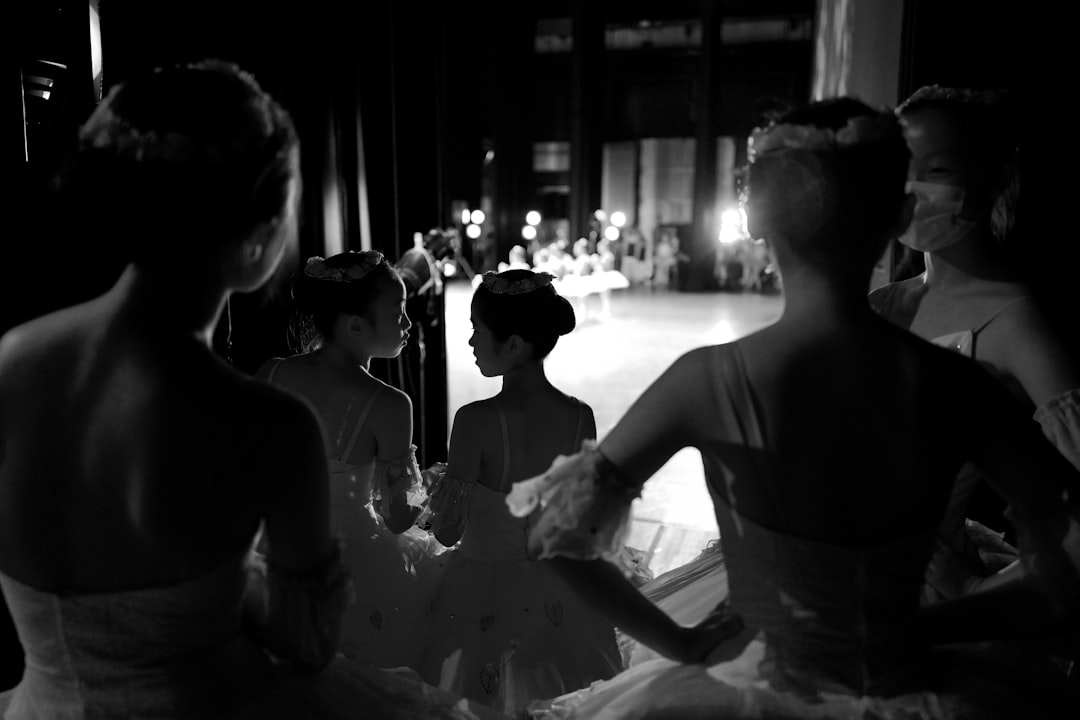
At a Buenos Aires milonga, your dress does more than adorn—it communicates your role in the dance. The right tango dress accommodates a 3-inch heel, survives three hours of close embrace, and moves like liquid when you execute a boleo. Whether you're stepping into your first práctica or preparing for a performance, understanding the intersection of function and style separates the elegant from the merely dressed.
Know Your Body—and How It Moves in Tango
Generic body type advice falls short when your dress must perform under pressure. Tango-specific silhouettes address how your frame interacts with a partner and the floor.
| Body Consideration | Dress Solution | Tango Rationale |
|---|---|---|
| Shorter torso | Empire waist with vertical ruching | Creates uninterrupted line for proper posture |
| Fuller hips | A-line skirt with side slit | Balances proportion, allows leg extension for gancho visibility |
| Narrow shoulders | Off-shoulder or portrait neckline | Frames the embrace attractively without restricting arm movement |
| Long waist | Drop waist with peplum | Defines hips for cruzada visibility |
| Larger bust | Built-in shelf bra or boning with secure neckline | Prevents wardrobe malfunctions during volcadas and dips |
| Broader shoulders | Asymmetric or single-shoulder neckline | Softens the frame, draws eye vertically |
Petite dancers should seek vertical lines and strategic slits to elongate legs—floor-length hems without breaks will swallow your footwork. Taller dancers can carry dramatic asymmetrical hemlines that showcase adornos.
Fabric: The Make-or-Break Decision
Forget everything you know about "breathable" formal wear. Tango fabrics must do three things simultaneously: stretch, recover, and flow.
Prioritize Four-Way Stretch and Recovery
Look for:
- Stretch velvet: Luxurious appearance with 15-20% spandex content for unrestricted ochos
- Jersey knits with lycra: Matte finish, wrinkle-resistant, ideal for travel to festivals
- Crepe with elastane: Structured drape that won't cling awkwardly in humid milongas
- Lightweight stretch lace: Strategic panels for ventilation without exposure
- Mesh inserts: Under arms, at back, or along sides for temperature management
Avoid:
- Pure silk (shows sweat immediately, zero stretch)
- Cotton (wrinkles, lacks required drape)
- Wool (overheating, partner friction)
- Heavy sequins or beading (tires shoulders during long tandas)
The fabric must pass the embrace test: when your partner pulls you into close hold, does the material bunch, ride up, or restrict your breathing?
The Waist: Your Center of Gravity
In tango, the waist is your axis of rotation. A defined waistline—whether natural, dropped, or empire—creates visual punctuation between your grounded lower body and expressive upper body.
Construction details that matter:
- Ruched side panels accommodate torso expansion during deep breathing
- Boning or internal structure prevents rolling during contra-body movement
- Adjustable ties or sashes allow customization for different heel heights (which alter your effective waist position)
Silhouette: Fitted, Not Tight
"Fitted" in tango means controlled movement, not compression. Your dress should skim the body with 1-2 inches of ease—enough to slide over hips during sacadas, tight enough that excess fabric doesn't catch between bodies in close embrace.
Critical length considerations:
- Practice dresses: Knee-length or midi, allowing full visibility of foot, ankle, and shoe mechanics
- Salon milonga gowns: Asymmetrical or fishemlines that reveal the foot during forward steps while maintaining elegance in stillness
- Performance/fantasia: Dramatic trains or high-low hems permitted, but require rehearsal to manage during floorwork
Never let a dress obscure your shoes—your technique is part of your visual expression.
The Hidden Engineering
Expert tango dresses contain invisible architecture:
| Feature | Purpose |
|---|---|
| Satin or silk lining | Prevents dress from catching on partner's wool trousers or rough cotton shirts |
| Built-in shorts or gusset | Coverage during high leg extensions and boleos |
| Moisture-wicking inner layer | Manages perspiration without visible stains |
| Reinforced stress points | Seams at slit tops and waist withstand rotational force |
| Hidden pockets | For cab fare, lip balm, emergency heel caps |
Accessories: Function First, Glamour Second
Jewelry with restraint: Small, secure post earrings or studs—dangling pieces whip