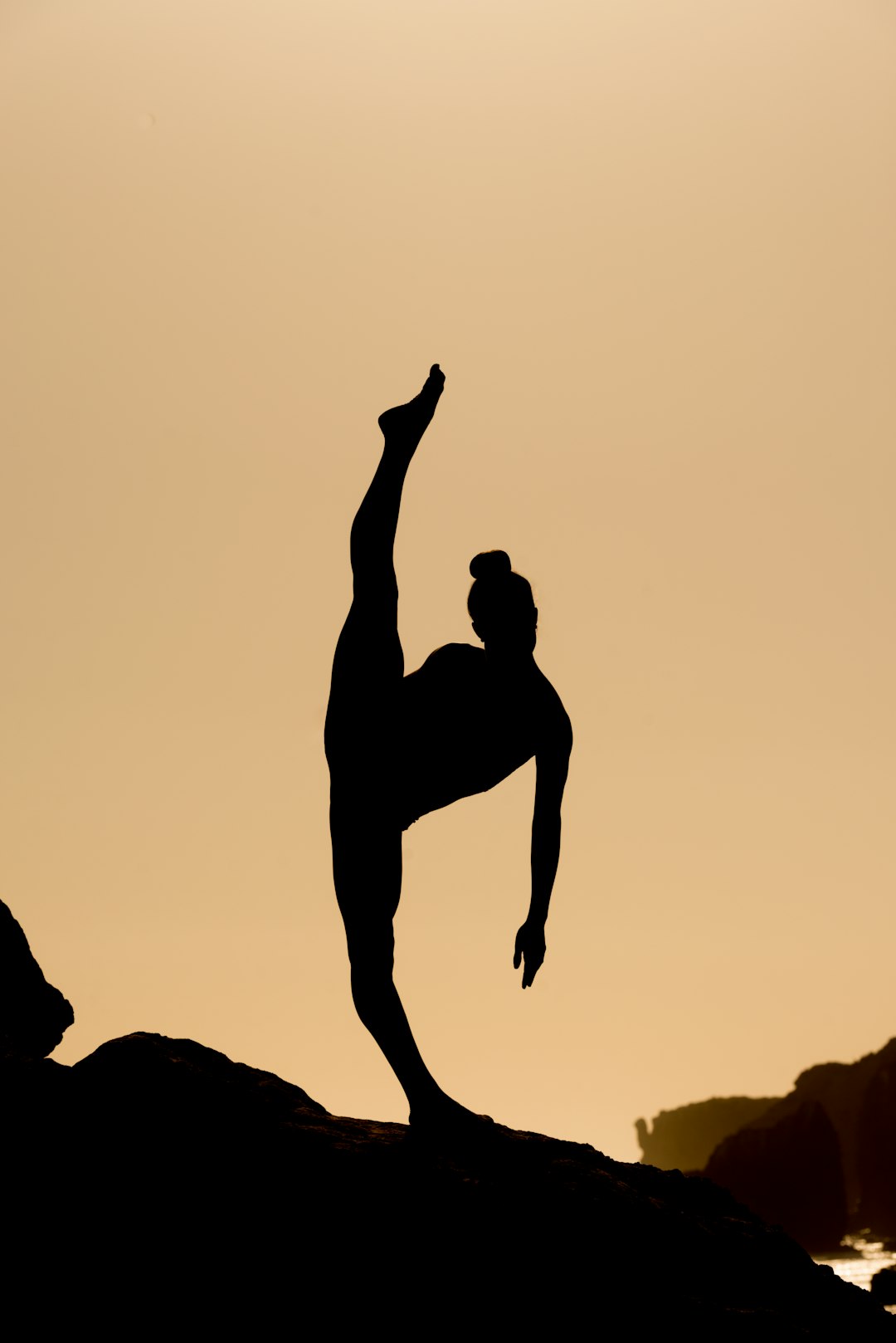
Your first ballet class stirs conflicting emotions—excitement at finally approaching an art form built on grace and strength, and nervousness about measuring up. Yet the path from first plié to confident pirouette is paved with universal pitfalls. The good news? These missteps are normal, even necessary. By understanding them early, you build a stronger, safer, and more sustainable practice from day one.
This guide examines why beginners stumble and offers concrete strategies to cultivate proper technique, mental resilience, and an unshakable foundation.
Cultivating Body Awareness & Safety
Your physical foundation comes first. These principles ensure you train smart and stay injury-free.
Mistake #1: The Inadequate Warm-Up
Eager to jump into the "real" dancing, beginners often skip or rush their warm-up, seeing it as optional. Cold muscles are tight and prone to strains. A proper warm-up gradually increases your heart rate, circulates blood, and prepares your joints for the required range of motion.
How to Avoid It:
- The Ritual: Dedicate 10–15 minutes before class exclusively to dynamic movement.
- The Method: Start with gentle cardio like jogging in place, followed by active stretches like leg swings and torso circles. This isn't about static stretching but waking your entire body up.
- The Mindset: View this time as essential and non-negotiable—a ritual that primes you for success and significantly reduces injury risk.
Mistake #2: Ignoring Your Postural Alignment
Beginners naturally focus on the limb that's moving, forgetting the stabilizing power of their center. Concentrating solely on feet or arms while your core collapses compromises balance, limits efficiency, and stresses your joints. Poor alignment—slouched shoulders, a tilted pelvis, or locked knees—undermines every step.
How to Avoid It:
- Constant Check-Ins: Develop a habit of scanning your posture. Imagine a straight, strong line of energy from the crown of your head down through your spine.
- Engage Your Center: Gently engage your core, keep shoulders relaxed over your hips, and avoid hyperextending your knees. Your teacher's cues about "lifting up" create this efficient, aligned foundation for all movement.
Mistake #3: Disconnecting From Your Body's Signals
The determination to improve is admirable, but confusing deep muscle fatigue with sharp injury pain is dangerous. Pushing through stinging sensations to "keep up" misapplies the "no pain, no gain" mentality.
How to Avoid It:
- Learn to Differentiate: Good discomfort is the deep burn of muscle fatigue—your quads shaking during a long grand plié hold. Bad pain is sharp and specific—a sudden pinch in the front of your hip during a développé (a unfolding leg movement).
- Honor the Signal: If you feel the latter, stop. Mark a combination or take a moment to rest. Honoring your limits prevents serious injury and ensures longevity in dance.
Mistake #4: Forgetting to Breathe
When concentrating intensely, beginners often tense up and inadvertently hold their breath. This starves muscles of oxygen, creates rigidity, and fragments your movement quality.
How to Avoid It:
- Active Syncing: Practice syncing your breath with your movement. Exhale smoothly on the effort (during a plié or lift) and inhale during recovery or preparation.
- A Simple Trick: Making a conscious, soft "sss" sound on the exhale helps establish rhythm. Fluid breathing is the secret to fluid dancing.
Developing a Productive Mindset & Practice
How you think about your practice matters as much as the physical work you do.
Mistake #5: Chasing Complexity Over Mastery
Inspired by professionals, beginners can feel discouraged by basics and long for advanced turns and jumps. Yet ballet is hierarchical—every dazzling leap rests upon a thousand perfect tendus (foot stretches). Rushing ahead ingrains bad habits that prove difficult to unlearn.
How to Avoid It:
- Embrace the Depth: Find artistry in a tendu. Perform every basic step as if it were the most important one you'll learn all day.
- Focus on Precision: Notice the precise pressure of your foot against the floor, the maintenance of turnout, and the smooth return to position. Mastering fundamentals is the superpower that unlocks advanced vocabulary.
Mistake #6: Practicing Sporadically
Life gets busy, and without routine, practice falls away. Relying solely on weekly classes weakens muscle memory and the neural pathways for technique.
How to Avoid It:
- Prioritize Consistency: Value regular, short sessions over occasional marathon practices. Fifteen minutes of focused daily practice at home—reviewing corrections or strengthening








