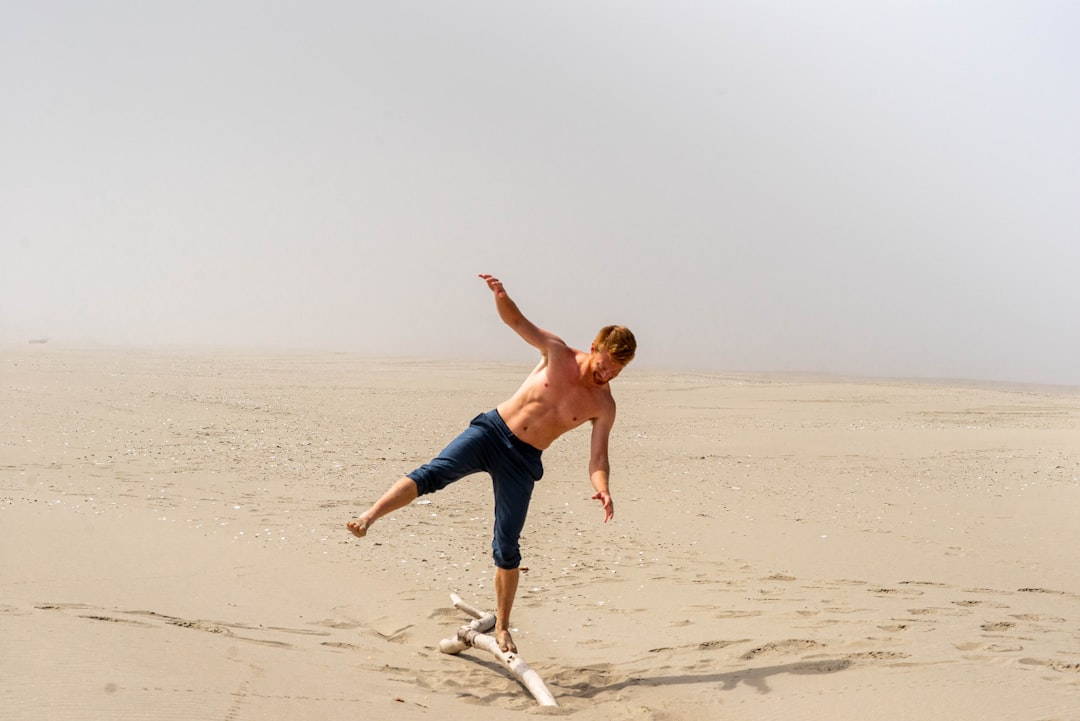
In 1973, DJ Kool Herc extended the instrumental breaks on his turntables, and kids in the Bronx invented a new way to move. Fifty years later, breaking enters the 2024 Paris Olympics—yet the heart of the culture remains in community centers, park jams, and living rooms where beginners take their first shaky steps. Whether you call it breaking, b-boying/b-girling, or yes, breakdancing, this guide covers the essentials to get you started.
What Is Breaking? (And Why the Name Matters)
Breaking is a street dance style born from Black and Puerto Rican communities in New York City. The term "breakdancing" was coined by outsiders; practitioners prefer "breaking," "b-boying," or "b-girling"—names that honor the culture's roots. Breaking isn't just athletic spectacle. It's a conversation between dancer and music, between competitors in battles, between individuals and the cypher (the circle where dancers take turns showing their skills).
The dance breaks down into four foundational elements:
| Element | What It Is | Why It Matters |
|---|---|---|
| Top rock | Standing footwork and grooves | Your introduction to rhythm and style |
| Down rock | Floor-based footwork and transitions | Builds flow and connects your moves |
| Power moves | Dynamic, acrobatic rotations | The crowd-pleasers that require serious conditioning |
| Freezes | Static poses that punctuate your set | Your exclamation point; proves control and balance |
Your First Session: What to Actually Do
Forget trying windmills on day one. Here's your first 30 minutes:
Minutes 0–5: Warm-up
- Light jogging or jumping jacks (2 minutes)
- Hip circles, knee circles, ankle rolls (2 minutes)
- Gentle wrist and shoulder rotations (1 minute)
Minutes 5–15: Top rock basics Stand with feet shoulder-width apart, knees slightly bent. Shift weight from right foot to left, finding the beat. Add a simple step-touch: step right, touch left toe, step left, touch right toe. Keep your upper body relaxed—shoulders loose, arms ready to groove.
Minutes 15–25: Down rock introduction From standing, drop to your squat. Place hands on the floor and extend one leg. Practice the "CC" (a foundational step): sweep your extended leg in a C-shape while switching hand positions. Move slowly. Quality over speed.
Minutes 25–30: Cool down and stretch Focus on wrists, shoulders, hips, and hamstrings. These areas work hardest in breaking.
Common beginner mistake: Looking at your feet constantly. Breaking is about musicality and confidence. Feel the floor, don't stare at it.
Building a Practice Habit That Sticks
Three sessions per week beats daily burnout. For beginners:
- Session length: 45–60 minutes
- Structure: 10 min warm-up / 30 min skill work / 10 min freestyle play / 10 min cool-down
- Progression: Master one top rock step and one down rock step before adding complexity
Practice with others when possible. The breaking community runs on feedback and energy exchange. Can't find a crew? Film yourself. Reviewing footage reveals what mirrors hide.
Learn From Those Who Came Before
Free resources:
- The Freshest Kids (documentary) — cultural foundation
- YouTube channels: VincaniTV (tutorials), B-Boy Network (battles)
Worth the investment:
- Local studio classes ($15–25/session)
- Workshops with visiting dancers ($40–80)
- Cypher attendance (free—just show respect, wait your turn, and cheer others)
Study battles, not just tutorials. Notice how dancers structure their sets, respond to music, and interact with opponents. Breaking is competitive art; understanding battle culture deepens your practice.
Protecting Your Body
Breaking demands more from your wrists, shoulders, and knees than daily life prepares you for.
Essential gear:
| Item | Recommendation | Why |
|---|---|---|
| Shoes | Puma Suedes, Nike Dunks, or Adidas Superstars | Flat soles for controlled spins; ankle support for landings |
| Clothing | Sweatpants or joggers; fitted top | Freedom of movement without excess fabric catching on floor |
| Protection | Wrist guards (learning freezes), knee pads (power move training) | Prevents common beginner injuries from repeated falls |
Recovery habits:
- Stretch hips and shoulders daily (5 minutes suffices)
- Strengthen wrists with push-up variations and wrist curls
- Rest days are training days—muscle repair happens during recovery