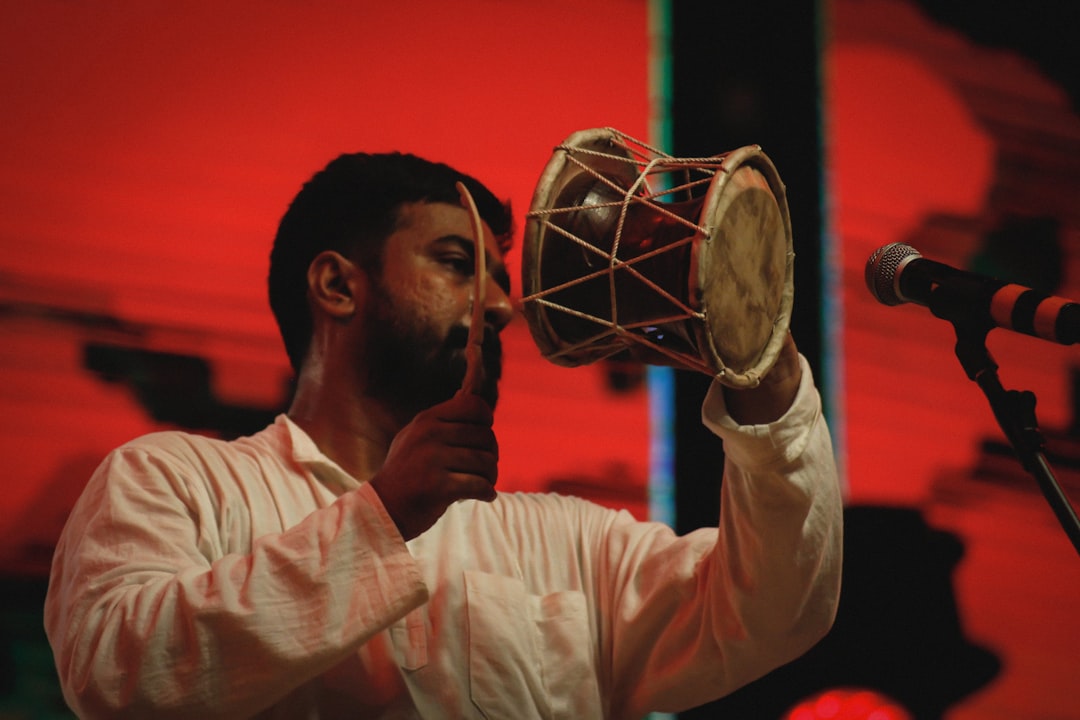
When the Music Finally Clicks
I'll never forget the first time I performed to a live tabla player instead of a studio track. My hips were doing the same figure-eight I'd practiced for months, but suddenly they had somewhere to go. The rhythm wasn't just background noise anymore—it was a conversation, and for the first time, I knew how to answer back.
That's the thing nobody tells you when you start belly dancing. You can drill your mayas and your camels until your muscles scream, but if your music feels like a stranger, your audience will feel it too. The right track doesn't just accompany your routine; it invents it.
Stop Building Your Routine Backwards
Most dancers I meet do this in reverse. They choreograph fifteen counts of this, twenty counts of that, then slap on whatever Egyptian classic sounds "authentic" enough. The result? Movements that look like they're apologizing for existing.
Instead, try this: put on Hossam Ramzy's "Egyptian Rai" and just stand there. Let your shoulders find the accents before your brain catches up. That driving, almost restless energy doesn't want polite isolations—it wants you to travel across the floor like you're late to something important. Dance to it three times without planning a single step. I promise your body is smarter than your notebook.
The Rhythms Nobody Explains Properly
Oriental rhythms aren't math problems, though teachers sometimes teach them that way. Masmoudi isn't just "dum-dum-tek-a-tek"—it's the sound of heat rising off Cairo streets at noon, heavy and deliberate, the kind of rhythm that lets you take your time with a hip drop because nobody's rushing anywhere. Saidi? That's village energy, sharp and playful, the musical equivalent of raising one eyebrow. It wants cane work, sudden direction changes, that little shoulder shimmy you do when you're feeling cocky.
And Baladi—real Baladi—is messy in the best way. It's a 4/4 heartbeat that stumbles slightly, catches itself, grins at you. Dance to it too precisely and you kill it. You have to lean into the rough edges, let your chest soften, maybe throw in a hair toss that wasn't planned. The rhythm is doing the same thing.
Three Tracks That Changed How I Choreograph
Hassan Abou El Seoud's "Enta Omri" hits different once you've had your heart broken. The vocals don't ask for your attention—they demand it. I used this for a performance last spring and found myself lingering on a slow turn for eight full counts because the oud wouldn't let me leave. That's not self-indulgence; that's listening.
For something completely different, Farid Al Atrash's "Ya Zahratan Fi Khayali" is where I send students who think belly dance has to be fast to be impressive. Try moving across the stage in slow motion to this, matching your ribcage to every violin whimper. It's terrifying. You'll feel exposed. That's exactly right.
The Real Secret to Music Selection
Here's my actual advice, and it's not about theory. Listen to your track until you can sing the melody in the shower. Not the rhythm—the melody. Know where the singer takes a breath. Notice when the qanun pauses and the accordion takes over. Those handoffs are your moments. That's where you change direction, drop to your knees, or look directly at someone in the front row.
I keep a "maybe" playlist that I've been curating for four years. Some songs have lived there for months before I understood what they wanted from me. Others get cut after one listen because they make me stand still instead of swaying unconsciously. If a track doesn't pass the kitchen test—dancing to it while making tea in your pajamas—it's not making it to the stage.
Your Music Is Waiting
The Orient's musical traditions aren't a dusty archive to respectfully reference. They're alive, unruly, and occasionally ridiculous in their emotional range. Your job isn't to interpret them perfectly. Your job is to find the pieces that make you feel slightly dangerous, slightly foolish, completely present.
Start with one song. Play it loud. Close your eyes. When your hips move before your mind approves, you've found your entrance music. Everything else is just filling in the spaces where the drum stops talking.