---
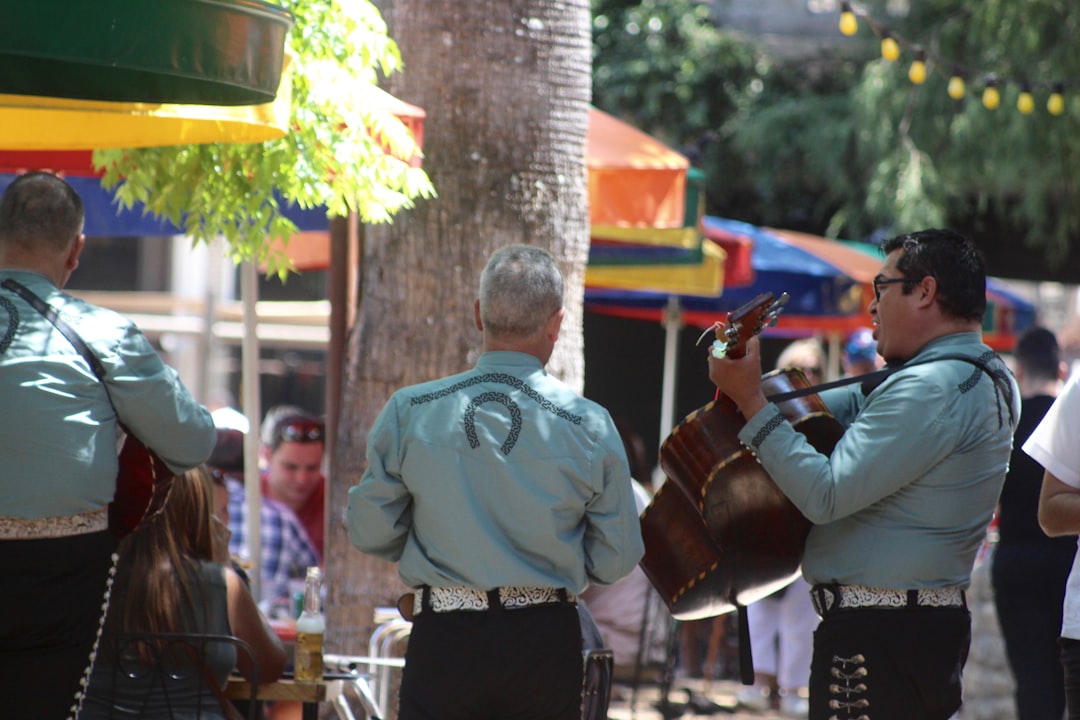
Walk into any roda in Salvador, Bahia, and you'll feel it before you see it—that low, haunting hum of the berimbau cutting through the humid night air. The music doesn't just accompany capoeira. It is capoeira. The instrument calls to you, and your body responds before your mind catches up. That's the magic when you find tracks that actually speak to your training.
But here's the thing: not all capoeira music is created equal. After years of getting repeatedly wrecked in the roda because I couldn't find my rhythm, I learned that the right track can transform a dull drilling session into something that feels almost spiritual. These are the songs that changed my game.
The Sound That Started Everything
When I first stumbled onto "Berimbau" by Baden Powell and Vinícius de Moraes, I didn't know what I was hearing. I just knew I couldn't stop looping it. There's something about the way the single string hums beneath those harmonies that gets under your skin. It wasn't until my mestro pointed out that this track literally teaches you the calls—the toada, the calls to enter, the angola rhythm—that I realized I'd been training my ears without even trying. Now I use it for every warmup. Twenty minutes of gentle movement following those calls, and my body understands what's coming next.
The Energy You Actually Need
Let me tell you about "Capoeira Mata Um" by Jorge Ben Jor. This track has a special place in my heart because it played right before I landed my first aú fla in front of the whole group. Maybe it was the adrenaline, maybe it was the lyrics celebrating our art, but something clicked. The driving beat doesn't let you slow down—and that's the point. High-energy sessions need music that matches your breath and pushes you forward. This is that track.
Actually, Jorge Ben Jor is cheat code for capoeira training. Don't sleep on "Taj Mahal" either. The melody alone will get stuck in your head for days, but the rhythm underneath is relentless. I once timed my ginga to it for thirty minutes straight and my legs wanted to die. In the best way possible.
When You Need to Slow Down and Feel It
Now here's where most people mess up: they blast high-energy tracks for everything. But capoeira has two souls—the explosive regional style and the deeply spiritual Angola tradition. If you're only training one, you're missing half the art.
Mestre João Grande's "Capoeira Angola" is a completely different beast. No one's rushing here. The deliberate rhythm forces you to pay attention to every微小 movement, every weight transfer. I use this when I'm working on precision—details that get lost when you're trying to keep up with fast rhythms. One of my training partners calls it "the meditation track." She's not wrong.
Mestre Pastinha gets similar treatment in my playlist. "Capoeira da Bahia" has that raw, spiritual depth that reminds you this art came from enslaved people findingfreedom through movement. When I need to center myself before a particularly tough class, this is what I play. It grounds you in the history, in why you're doing this.
For Those Days When You Want to Get Destroyed
Let's be honest: sometimes you walk into training wanting to push yourself until you can't anymore. That's when I reach for Grupo Senzala or anything connected to Mestre Bimba. These tracks don't mess around. The rhythms are fast, precise, and demand your full attention. "Capoeira Cordão de Ouro" once made me drill negativas until my shoulders screamed. I thanked it afterwards.
The regional style these tracks represent isn't for beginners—but Intermediate students who embrace the intensity see results fast. The speed forces your reactions to sharpen. Your ginga becomes tighter. Your kicks land harder because you can't afford the hesitation.
The Secret Weapon No One Talks About
Every serious capoeirista needs instrumental tracks in their rotation. "Capoeira Instrumental" by Various Artists is solid, but honestly, any compilation without vocals works. Here's why: when there are no lyrics, you become the melody. Your body fills the space that words would occupy. You start hearing your own movement as music.
I've had breakthrough sessions just drilling floreios to instrumental tracks where I finally understood that capoeira is a conversation between your body and the music. You're not following—you're responding. That's a different level of training.
Where to Find These Tracks
None of this matters if you can't actually listen. Most of these are on Spotify, Apple Music, or YouTube. Create a playlist. Don't just listen passively—train with these tracks. Let them shape your movement. That's how you stop thinking about your footwork and start feeling it.
The roda never lies. When your rhythm matches the music, when your movement responds to the berimbau's call, you'll know. And these tracks? They'll take you there.