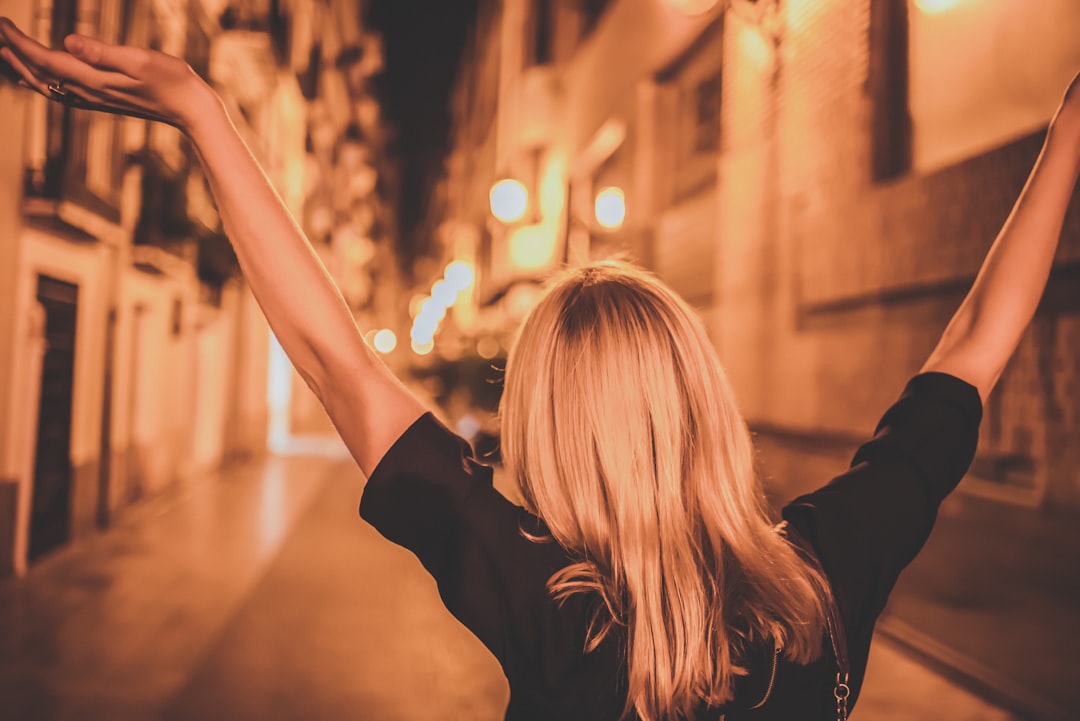
On any given Friday night in Dolores City, you can follow the clave rhythm from the Mission District's converted warehouses to the polished ballrooms of Uptown. The city's salsa scene has outgrown its reputation as a weekend pastime—it's now home to competitive teams, international guest artists, and some of the most rigorous training on the West Coast.
What makes Dolores City distinctive is its style diversity. Cuban casino thrives in the Mission, with its circular patterns and Afro-Cuban footwork. Uptown leans toward LA-style on1 and New York on2, linear and precise. Meanwhile, the annual Dolores Salsa Congress each October draws thousands to the Convention Center, and weeknight socials at venues like El Rincón and La Cueva keep the dance floor packed until 2 a.m.
Whether you're stepping onto the floor for the first time or training for your next congress, these four studios represent the best places to learn salsa in Dolores City.
Quick Comparison
| Studio | Best For | Style Focus | Price Range |
|---|---|---|---|
| Rhythmic Souls Salsa Academy | Structured progression, traditional roots | Cuban salsa (casino) | $18 drop-in; $110/month unlimited |
| Latin Groove Dance Studio | Social dancers, variety seekers | LA-style, NY on2, occasional Colombian | $15–$22 drop-in; class packs available |
| Salsa Sensation Dance School | Aspiring performers, intensive training | NY on2, performance choreography | $200–$400/month for intensive tracks |
| Dance Fusion Studio | Multi-style explorers, casual learners | Salsa/Bachata/Kizomba fusion | $20 drop-in; $95/month unlimited |
1. Rhythmic Souls Salsa Academy
Mission District | Cuban Casino | Six-Level Progressive Program
Rhythmic Souls sits in a converted textile warehouse on 24th Street, a five-minute walk from the Mission BART station. Founder Marco Vela, a former principal dancer with Havana's Conjunto Folklórico, has taught in Dolores City for 14 years. His curriculum is deliberately structured: six levels of Cuban-style salsa, from "Absolute Zero" (no partner required) to "Advanced On2."
Classes run in four-week progressive series. Drop-ins are allowed only for Levels 1 and 2; beyond that, students must commit to the month. The studio's sprung-wood floor and full-length mirrors are standard, but the details matter: free street parking after 6 p.m., Cuban coffee served in the lounge between classes, and a monthly rueda de casino social where students call figures in rotating circles.
What to know: Monthly unlimited memberships start at $110. New students can book a trial class for $10 through the studio's online portal. Partners rotate in every class.
2. Latin Groove Dance Studio
Uptown | LA-Style & NY On2 | Guest Workshops & Weekly Socials
Latin Groove occupies the second floor of a Art Deco building on Grand Avenue, with floor-to-ceiling windows overlooking the streetcar line. The studio has built its reputation on access: drop-in classes six nights a week, plus a Friday social that regularly draws 150+ dancers.
The real draw is the rotating cast of guest instructors. In the past year alone, the studio has hosted workshops with Eddie Torres Jr. (New York), Adolfo Indacochea (Milan), and Yamulee Project members (Santo Domingo). This means students get exposed to multiple interpretations of on1 and on2 timing, often within the same month.
What to know: Drop-ins run $15–$22 depending on the instructor. A ten-class pack drops the per-class price to $13. The Friday social costs $10 and includes a beginner lesson at 8:30 p.m. Street parking is metered until 9 p.m.; the Grand Avenue streetcar stops directly outside.
3. Salsa Sensation Dance School
Uptown | NY On2 & Performance Training | Intensive Tracks & Stage Opportunities
If your goal is to perform—or to train like someone who does—Salsa Sensation is the most serious option in Dolores City. The school operates out of a 6,000-square-foot facility on Harrison Street with three studios, a dedicated filming room for video auditions, and a physical-therapy partnership for injury prevention.
Training is split into recreational classes and intensive tracks. The recreational program offers standard leveled classes. The intensive tracks, by audition only, place students into performance teams that rehearse 6–10 hours weekly and compete at regional congresses. Past teams have placed top-three at the San Francisco Salsa Congress and the Los Angeles S