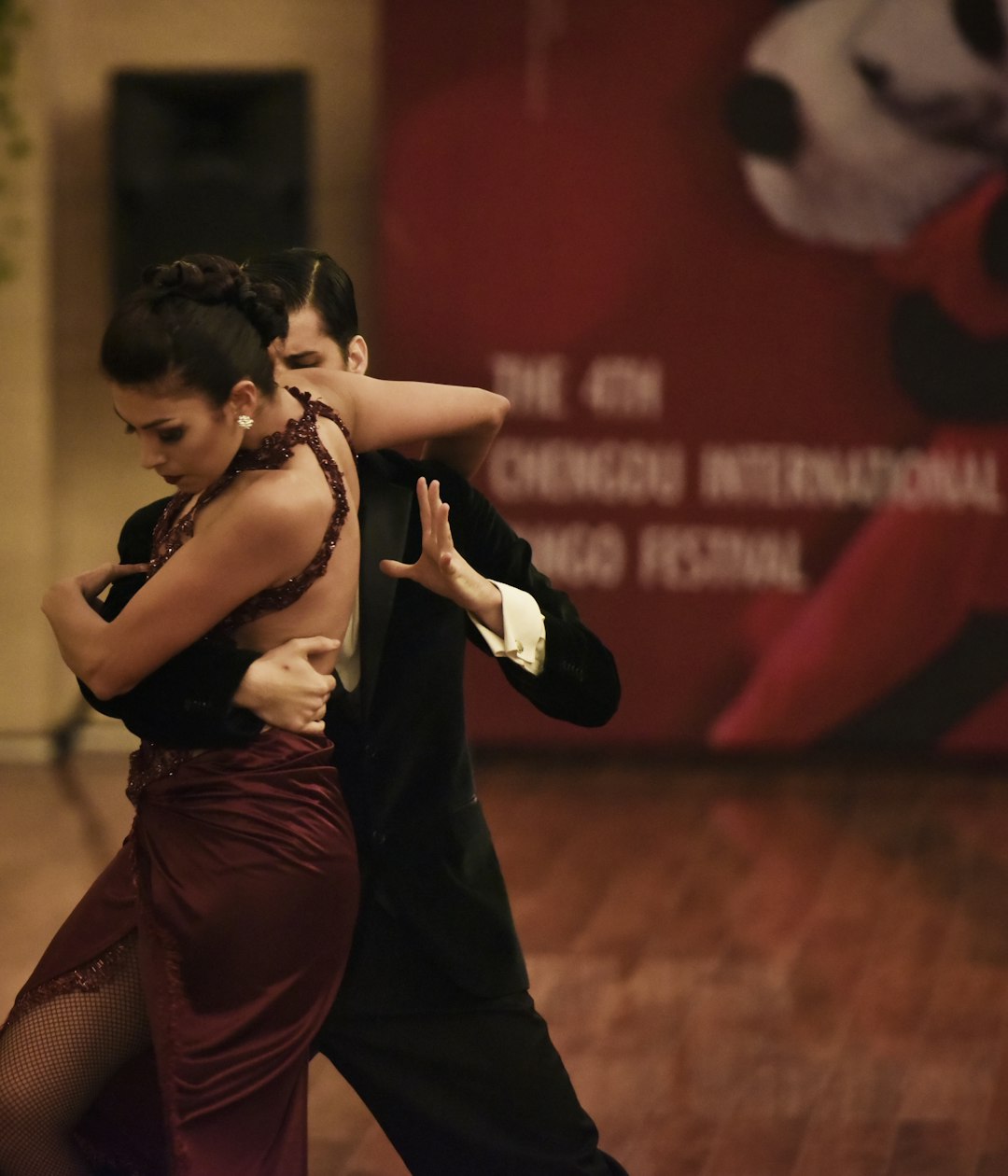
Every dancer knows the feeling: a poorly fitted shoe turns a promising class into a battle against blisters, slipping heels, and lost balance. Whether you're stepping into your first plié or preparing for a professional audition, the right footwear isn't just about aesthetics—it's about injury prevention, technical development, and confidence.
This guide draws on consultations with dance medicine specialists and professional fitters to deliver specific, actionable recommendations you won't find in generic roundups. We've verified every product name, price point, and technical specification.
Understanding Ballet Shoe Anatomy
Before diving into recommendations, two decisions will narrow your search immediately.
Split-sole vs. full-sole: Split-sole shoes feature a break between heel and ball pads, emphasizing the arch and allowing greater flexibility. Full-sole shoes provide consistent resistance across the foot, building intrinsic strength in beginners and offering stability for dancers with hypermobility.
Canvas vs. leather: Canvas molds quickly to the foot, breathes well, and machine-washes easily—ideal for high-volume training. Leather lasts 2–3 times longer, offers superior floor grip, and shapes gradually to individual foot contours. Synthetic blends split the difference but lack the responsive break-in of natural materials.
Sizing fundamentals: Ballet shoes should fit like a second skin. For canvas, order 2–3 sizes below your street shoe; leather requires exact or half-size reduction as it stretches. Always try shoes with tights comparable to class wear, and check that toes lie flat without curling or swimming.
Best for Beginners: Building Foundation
Capezio Daisy Ballet Shoe
$18–$22 | Canvas, full-sole
The Daisy remains the industry standard for introductory programs worldwide. Its pre-sewn elastic strap eliminates fumbling with needle and thread, while the cotton lining wicks moisture during back-to-back classes. The full leather outsole provides just enough resistance to strengthen feet without frustrating flexibility.
Best for: Dancers in their first 6–12 months of training, or any student needing predictable, no-fuss construction.
Capezio Teknik
$35–$42 | Leather, split-sole
When beginners outgrow the Daisy's simplicity but aren't ready for professional-grade shoes, the Teknik bridges the gap. The split-sole construction reveals arch development, and the premium leather upper withstands three to four times the wear of canvas alternatives. Available in narrow, medium, and wide widths—critical for dancers between standard sizes.
Best for: Serious recreational students or those transitioning to pre-pointe preparation.
Best for Intermediate Dancers: Technical Refinement
Grishko 2007 Pro
$55–$65 | Canvas or leather, split-sole
Grishko's 2007 Pro addresses the intermediate dancer's primary challenge: stability during turning combinations. A reinforced shank channel runs through the arch, preventing the "collapsing" sensation common in basic models. The heel features a subtle suede grip patch that reduces slippage on marley floors without snagging.
Best for: Dancers executing single and double pirouettes regularly, or those with narrow heels prone to shoe migration.
So Danca SD16 Stretch Canvas
$28–$34 | Stretch canvas, split-sole
So Danca's four-way stretch upper eliminates the break-in period entirely—shoes conform to the foot on first wear. This proves invaluable for dancers with prominent bunions or irregular toe lengths who struggle with standard construction. The elastic binding replaces drawstrings, creating a clean line without pressure points.
Best for: Dancers with wide forefeet, Greek or Roman toe configurations, or anyone seeking immediate comfort.
Best for Advanced Dancers: Performance Demands
Grishko Elite
$72–$85 | Leather, split-sole with extended vamp
The Elite incorporates features from Grishko's pointe shoe research: a thermoplastic shank insert that maintains structural integrity through 20+ hours of weekly training, and an extended vamp that supports the metatarsals during high-impact allegro. The platform is slightly wider than comparable models, offering a stable base for sustained balances.
Best for: Pre-professional and professional dancers, or advanced students in intensive summer programs.
Gaynor Minden Studio
$68–$78 | Synthetic leather, split-sole
Gaynor Minden's reputation rests on pointe innovation, but their soft shoe line applies similar biomechanical research. The Studio features a shock-absorbing heel pad that reduces impact stress during petit allegro—particularly valuable for dancers training on concrete or tile subfloors beneath marley. The synthetic upper resists moisture degradation in humid climates.
Best for: Dancers with prior stress injuries, those training on unforgiving floors, or humid-region residents.
Pointe Shoes: A Specialized Category
Critical warning: Point








