Flamenco costume—traje de flamenca—is inseparable from the dance itself. Born in 19th-century Andalusia, where Gitano, Moorish, and Spanish traditions merged, these garments evolved to amplify every zapateado (footwork) and braceo (arm movement). The ruffles don't merely decorate; they trace the trajectory of your body through space, making technique visible to the back row.
Whether you're stepping into your first class or preparing for a tablao performance, understanding what to wear—and why—will transform how you move and feel. This guide covers everything from fabric selection to footwear, with practical advice for every budget and experience level.
Understanding the Anatomy of Flamenco Costume
Before shopping, know the traditional components that define authentic flamenco attire:
For All Dancers
- Bodice (corpiño): Fitted upper garment that stays secure through rapid turns
- Skirt (falda): Varies dramatically in length, fullness, and ruffle placement
- Footwear: Specialized heeled shoes with nails in the sole and heel for percussive sound
Additional Elements for Women
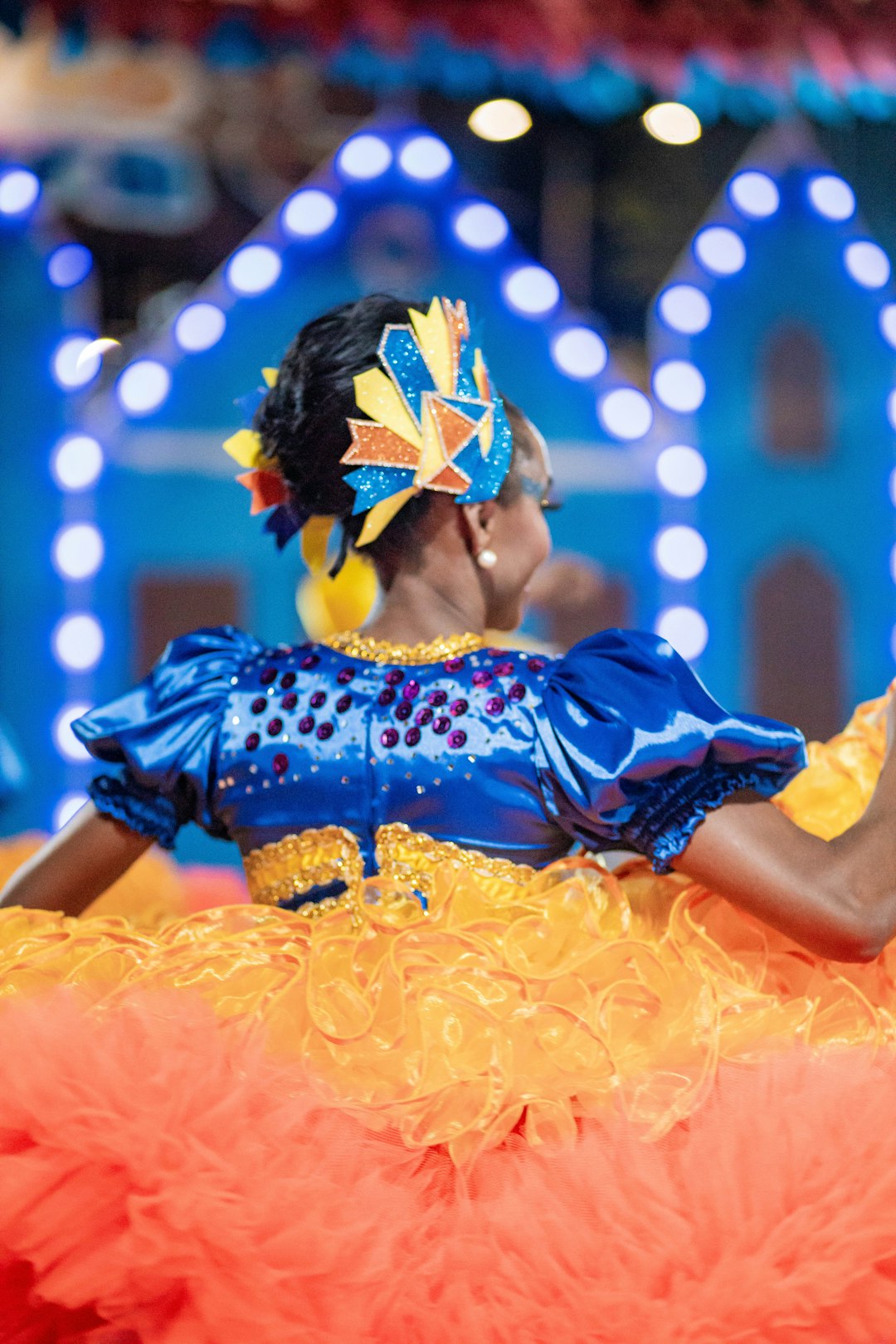
- Ruffles (volantes): Cascading or circular fabric layers that extend movement visually
- Bata de cola: The dramatic long-trained dress reserved for advanced performance
- Shawl (mantón de Manila): Silk embroidered shawl used as prop and accent
Additional Elements for Men
- High-waisted trousers: Close-fitting through the hip with slight flare at the ankle
- Vest (chaleco) or short jacket (bolero): Structured layers allowing full arm extension
- Wide belt (fajín): Secures the waist and completes the silhouette
Choose the Right Fabric for Your Purpose
Not all flamenco garments use the same materials. Match your fabric to your activity:
For Practice and Class
- Stretch cotton-lycra blends (4-way stretch, moisture-wicking): Breathable, forgiving, machine-washable
- Bamboo jersey: Naturally antimicrobial, soft against skin during long rehearsals
- Ponte knit: Holds shape for fitted tops without constriction
For Performance Skirts and Dresses
- Polyester crepe or georgette: Holds ruffle structure, travels well, resists wrinkling
- Silk habotai or chiffon: Premium choice for competition; requires lining and careful handling
- Rayon challis: Budget-friendly drape with fluid movement
For Bata de Cola (Long-Trained Dress)
- Lightweight silk or high-quality synthetic with body: Too heavy and you cannot manage the train; too light and it won't swirl properly
- Test before committing: The train should flow behind you without dragging or tangling
Fabrics to Avoid
- Cheap costume satin: Creates static, rustling noise, and heat retention
- Non-stretch wovens for fitted bodices: Restricts breathing and arm movement
- 100% cotton for performance skirts: Lacks the drape that makes ruffles fly
Pro tip: Modern performance wear frequently incorporates high-quality synthetics for durability. Don't dismiss polyester outright—performance-grade fabrics have evolved significantly.
Master Fit: Where Tight Meets Flow
Flamenco fit follows specific principles that differ from street clothing:
Torso and Bodice
- Snug through the ribcage and waist: Prevents shifting during vueltas (turns)
- Sleeves fitted to mid-bicep: Allows clear arm positions without excess fabric
- Off-shoulder or boat necklines: Traditional and functional, keeping shoulders visible for braceo lines
Skirts
- Waistband sits at natural waist: Creates the elongated silhouette essential to flamenco posture
- Length varies by purpose:
- Practice: Ankle-length for safety and mobility
- Performance: Floor-length or with bata de cola for advanced dancers
Ruffle Placement Matters
- Cascade ruffles (vertical): Emphasize hip movement and zapateado
- Circular ruffles (horizontal): Amplify skirt rotation and turns
- Experienced dancers often customize ruffle stiffness for specific palos (rhythmic forms)—stiffer ruffles for sharp tangos, softer drape for flowing alegrías
Choose Colors With Intention
Color in flamenco carries cultural and practical weight:
Traditional Palettes
| Color | Association | Best For |
|---|---|---|
| *Red ( |