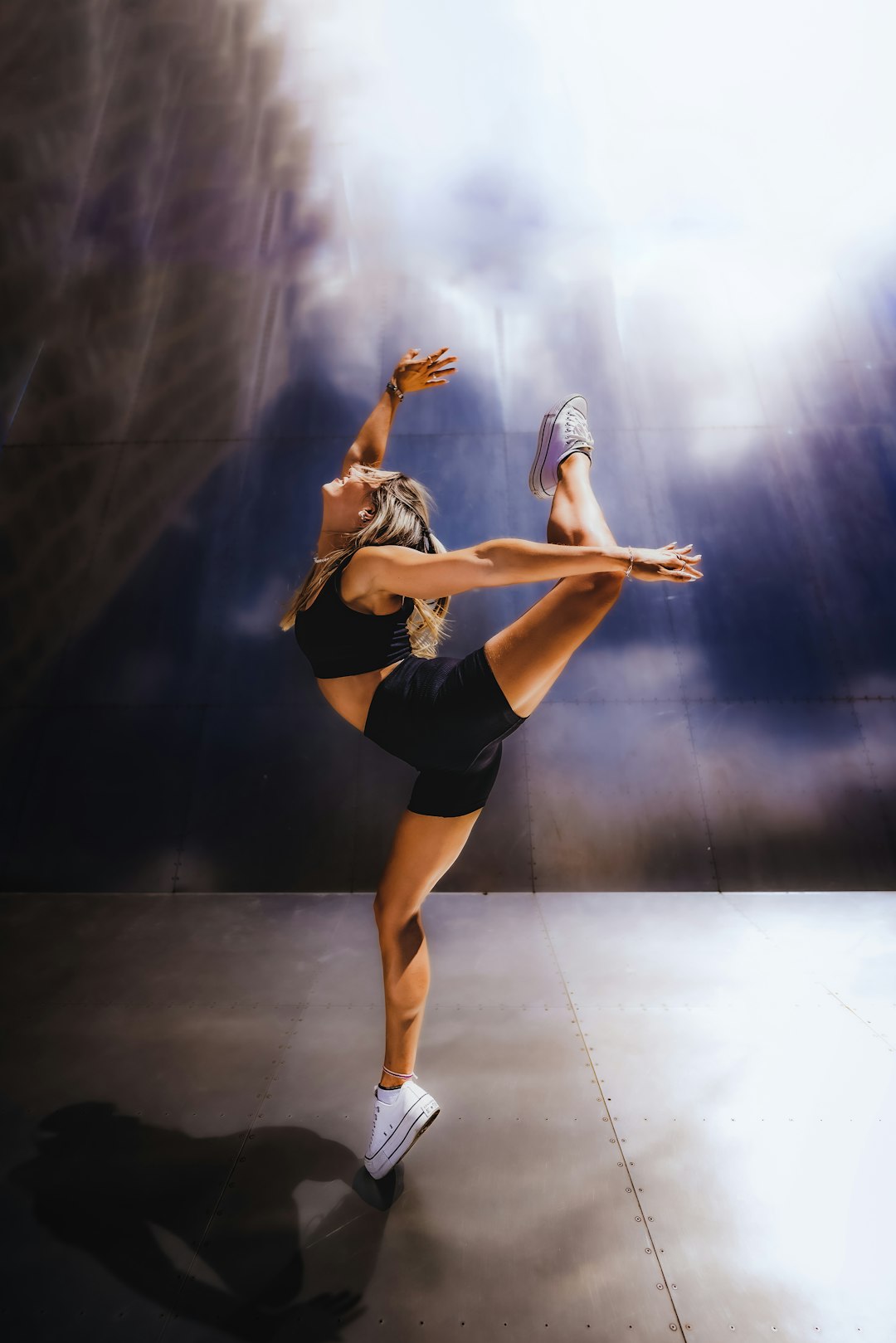
Your choreography is polished, your costume fitted, your nerves managed—but your shoes? They're the only equipment between you and the floor, and the wrong choice can transform a career-defining moment into a stumble. Whether you're preparing for your first recital or your fiftith professional engagement, this guide will help you select dance shoes that enhance rather than hinder your performance.
Step 1: Match Your Shoe to Your Dance Style (and Know the Nuances)
Different dance styles demand fundamentally different footwear engineering. But the real expertise lies in understanding the variations within each category—distinctions that separate practice-grade from performance-ready.
| Dance Style | Shoe Type | Critical Feature | Common Costly Mistake |
|---|---|---|---|
| Ballet | Split-sole or full-sole canvas/leather | Second-skin fit that reveals foot articulation | Buying too large "to grow into," destroying line and control |
| Pointe | Tapered or square box, various shank strengths | Proper vamp length for toe length/arch combination | Rushing fitting process; pointe shoes require 30-45 minutes minimum |
| Jazz | Lace-up boot, slip-on, or split-sole jazz shoe | Leather sole for controlled slide across turns | Rubber soles that grip too aggressively, causing knee torque |
| Tap | Oxford, Mary Jane, or character styles | Soundboard quality and heel/toe weight balance | Prioritizing appearance over tap clarity and resonance |
| Ballroom | Standard/smooth vs. Latin | Suede sole flexibility and correct heel height | Wrong heel height for partner work, throwing off frame and balance |
| Hip-hop | High-top sneakers or specialized dance sneakers | Ankle stability for floor work and quick direction changes | Choosing fashion-forward street shoes without dance-specific support |
| Contemporary | Barefoot, half-sole lyrical shoe, or foot thong | Consistent floor protection without compromising ground connection | Inconsistent coverage leading to unpredictable friction |
Pro insight: Pre-professional ballet dancers often own both canvas and leather split-soles—canvas for rehearsal breathability, leather for performance durability and slightly more structured support. Jazz dancers competing on multiple surfaces may invest in both leather-soled and suede-soled options.
Step 2: Analyze Your Performance Surface (Beyond "Slippery vs. Not")
The floor beneath you fundamentally changes how your shoes must perform. "Non-slip" is rarely the right answer for dance—controlled friction is.
| Surface Type | Shoe Consideration | Surface-Specific Solutions |
|---|---|---|
| Marley (vinyl composite) | Standard dance soles work well; avoid excessive rosin buildup | Clean shoes regularly; marley shows dirt that affects glide |
| Wood (sprung floors, basketball courts) | Suede soles may need brushing; rubber can be too grippy | Rosin bags for controlled traction; test turns before performance |
| Concrete/outdoor stages | Maximum durability and toe protection required | Reinforced toe boxes; consider jazz sneakers over traditional styles |
| Raked stages | Heel security becomes critical; shoes must accommodate incline | Heel grips or character shoes with secure ankle straps |
| Carpeted surfaces | Extreme friction hazard for turns | Specialized carpet-friendly soles or modified suede; often requires complete shoe change |
Critical timing note: Never wear new shoes on an unfamiliar surface without testing. Maria Kowroski's infamous 2004 NYCB debut—where a split sole separated mid-pirouette—illustrates why equipment failure during performance haunts professional dancers. Test your shoes on the actual performance surface when possible, or on the closest available match.
Step 3: Master the Fitting Process
A proper fitting takes time. Rushing this step courts disaster.
The fitting protocol:
-
Schedule fittings for late afternoon or evening, when feet are slightly swollen from daily activity—this matches performance conditions more accurately than morning fittings.
-
Bring your performance socks or tights. The thickness of dance tights (convertible vs. footed, cotton vs. microfiber) measurably affects fit. That "perfect" shoe in thin socks becomes a blister factory in performance tights.
-
Try at least three sizes per style. Dance shoe sizing varies dramatically by manufacturer. Bloch, Capezio, Gaynor Minden, and Freed all use different lasts—your "size" shifts across brands.
-
Perform actual movements in the fitting room. Relevés, pliés, turns, jumps. A shoe that feels comfortable standing still may pinch, slide, or fail to support during dynamic movement.
-
Check the "thumb test" with nuance. For most dance shoes, you want minimal extra length—typically 1/8 to 1/4 inch at