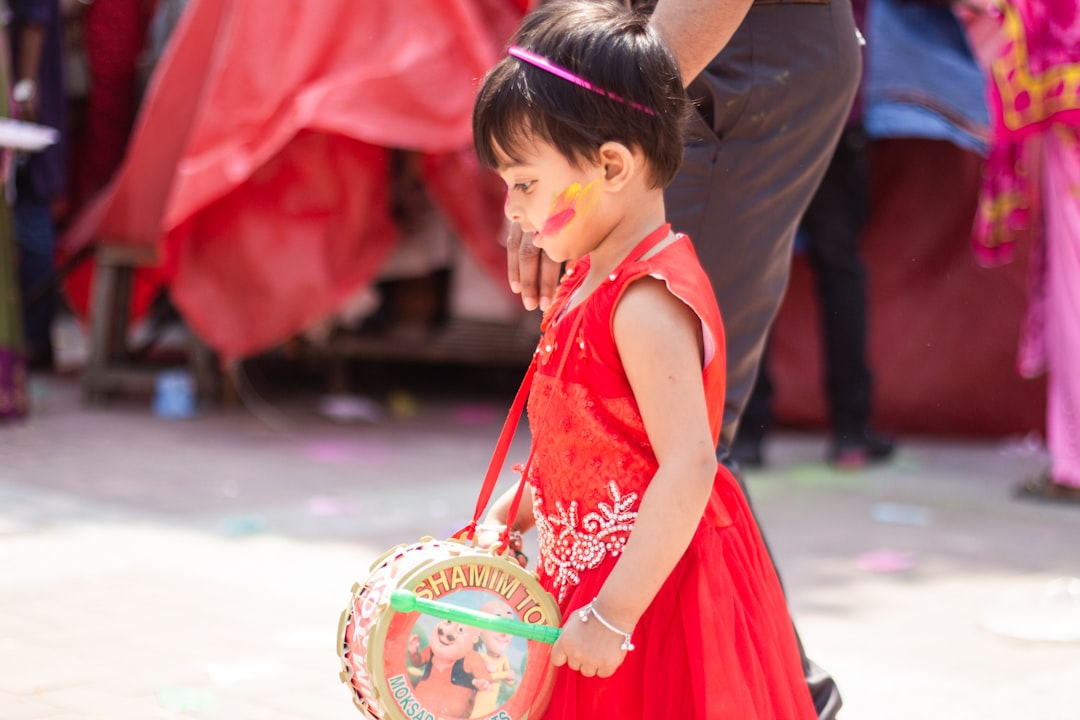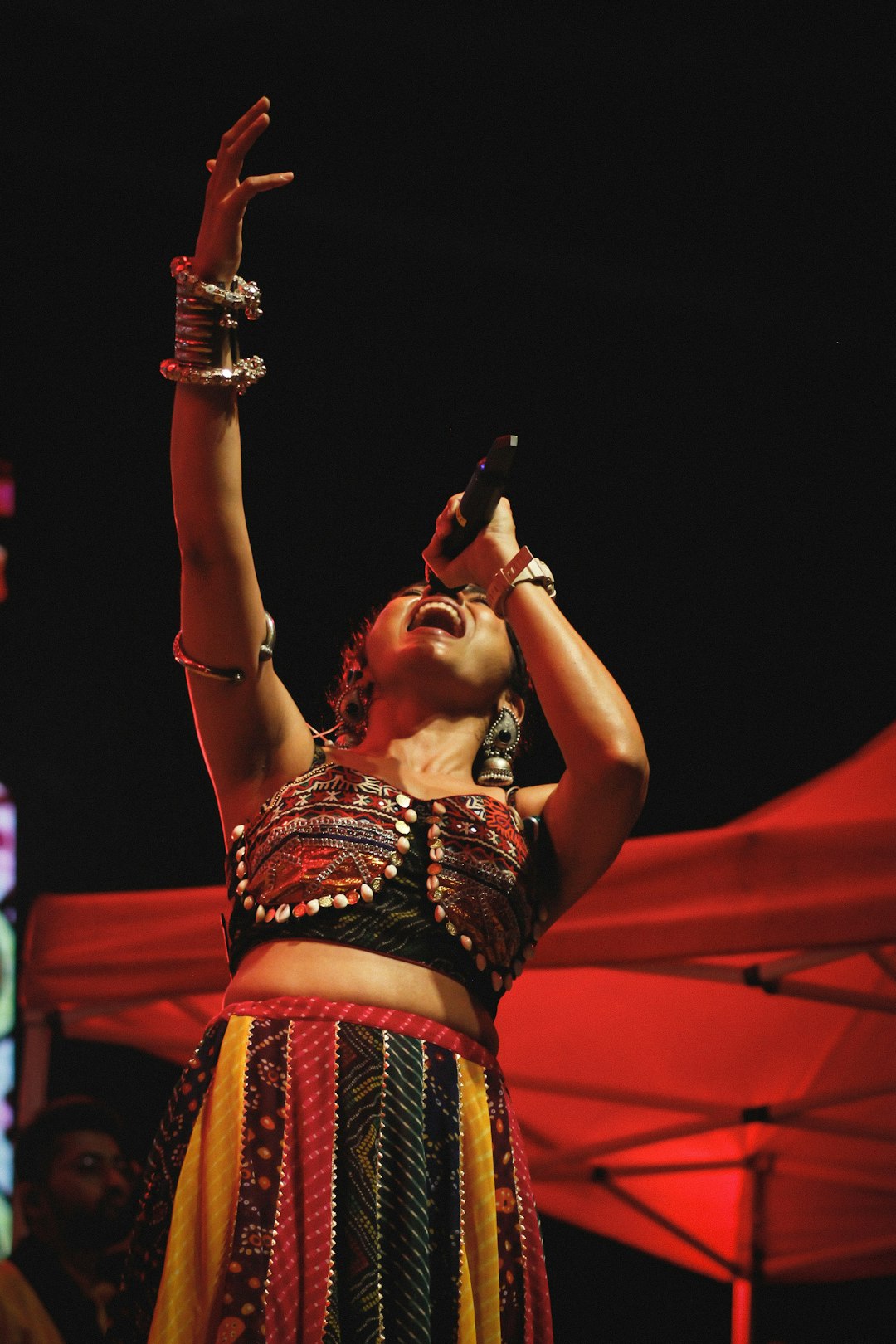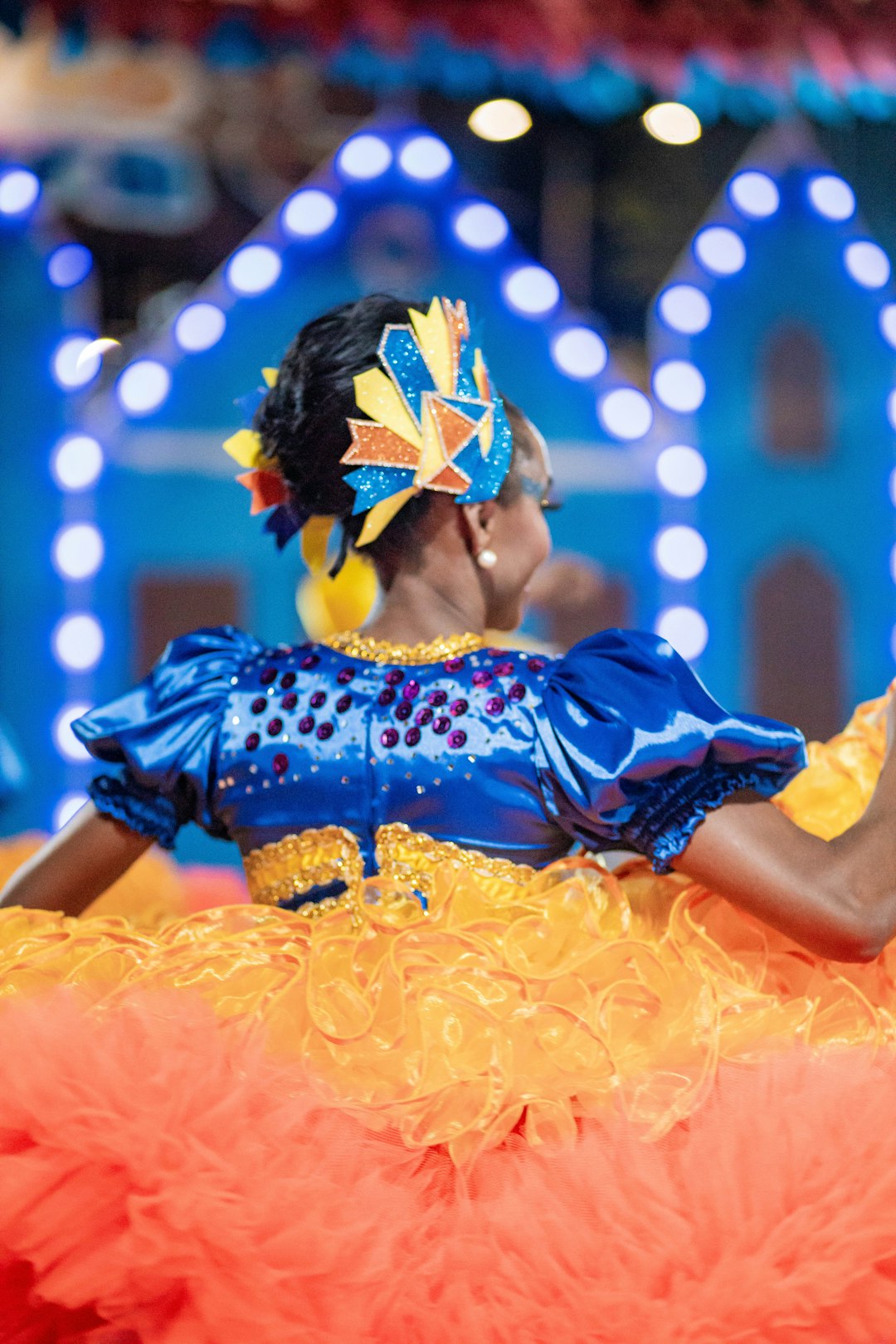
Picture yourself in a dimly lit tablao in Seville. The air thick with anticipation, a guitarist strikes the first chord, and a dancer explodes into motion—her feet hammering out rhythms that seem to crack the floor beneath her, her arms weaving stories older than the walls around her. This is flamenco: not merely a dance, but a living tradition born from the cultural fusion of Roma, Moorish, Jewish, and Andalusian communities in southern Spain.
To dance flamenco is to enter a demanding artistic practice that integrates physical discipline, deep cultural knowledge, and profound emotional vulnerability. Whether you're lacing up your first pair of zapatos or preparing for your debut performance, this guide offers the essential tools and techniques that separate those who simply move from those who truly dance.
I. The Physical Foundation: Equipment and Conditioning
What You Wear Matters
Your relationship with flamenco begins at your feet. Professional zapatos (heeled shoes) feature hand-carved wooden or stacked leather heels reinforced with nails—not metal taps, which belong to American tap dance. These nails produce the characteristic golpe (strike) sound that defines flamenco percussion. Quality shoes from makers like Gallardo or Begoña Cervera represent a serious investment ($200-$400), but their balance and sound projection reward the committed dancer.
For daily practice, zapatillas (soft slippers) protect your joints while allowing hours of zapateado (footwork) drills. Women dancing bata de cola (long-tailed skirt) must additionally master fabric manipulation—learning to flick, wrap, and sweep meters of material without entanglement.
Conditioning for Flamenco's Unique Demands
Generic fitness won't suffice. Target these specific capacities:
| Physical Element | Flamenco Application | Recommended Training |
|---|---|---|
| Ankle stability | Rapid zapateado sequences, sustained plantas (full foot strikes) | Single-leg balance drills, theraband resistance work |
| Shoulder mobility | Sustained braceo (arm positions), circular vueltas (turns) | Wall angels, rotator cuff strengthening |
| Core endurance | Maintaining técnica de torso (lifted, engaged torso) throughout performance | Pilates-based trunk stability, not crunches |
| Hip flexibility | Deep plie-like positions in zapateado, llamadas (calls to the musicians) | Dynamic stretching, flamenco squats with turned-out alignment |
Common Pitfall: Many beginners overdevelop quadriceps while neglecting the posterior chain, leading to knee strain and diminished power in footwork. Prioritize hamstring and glute activation.
II. The Musical Core: Understanding Compás
Flamenco operates through compás—a cyclical rhythmic structure that functions as the dance's heartbeat. Unlike Western music's linear progression, compás invites continuous re-entry and creative variation.
The Two Essential Cycles
12-Beat Forms (Soleá, Bulerías, Alegrías) The most complex and revered. Count: 1-2-3-4-5-6-7-8-9-10-11-12, with accents on 3, 6, 8, 10, and 12. Bulerías, the festive finale of most performances, accelerates this cycle to exhilarating velocity.
4-Beat Forms (Tangos, Rumba) More accessible for beginners, these provide immediate gratification while building rhythmic confidence.
Learning Through Palmas
Before attempting choreography, master palmas (hand clapping)—flamenco's most democratic and essential skill. Two varieties exist:
- Palmas claras (clear): Hollow, resonant sound on the beat
- Palmas sordas (muted): Dampened, percussive sound for counter-rhythms
Practice with recordings by palmeros like José Manuel "El Oruco" or attend juergas (informal flamenco gatherings) where rhythmic participation is expected and welcomed.
For Beginners: Start with tangos at 80 BPM, clapping only palmas claras on beats 1 and 3. Gradually add sordas on off-beats as confidence builds.
III. Technical Mastery: Beyond the Steps
Flamenco technique comprises three integrated systems: zapateado (foot