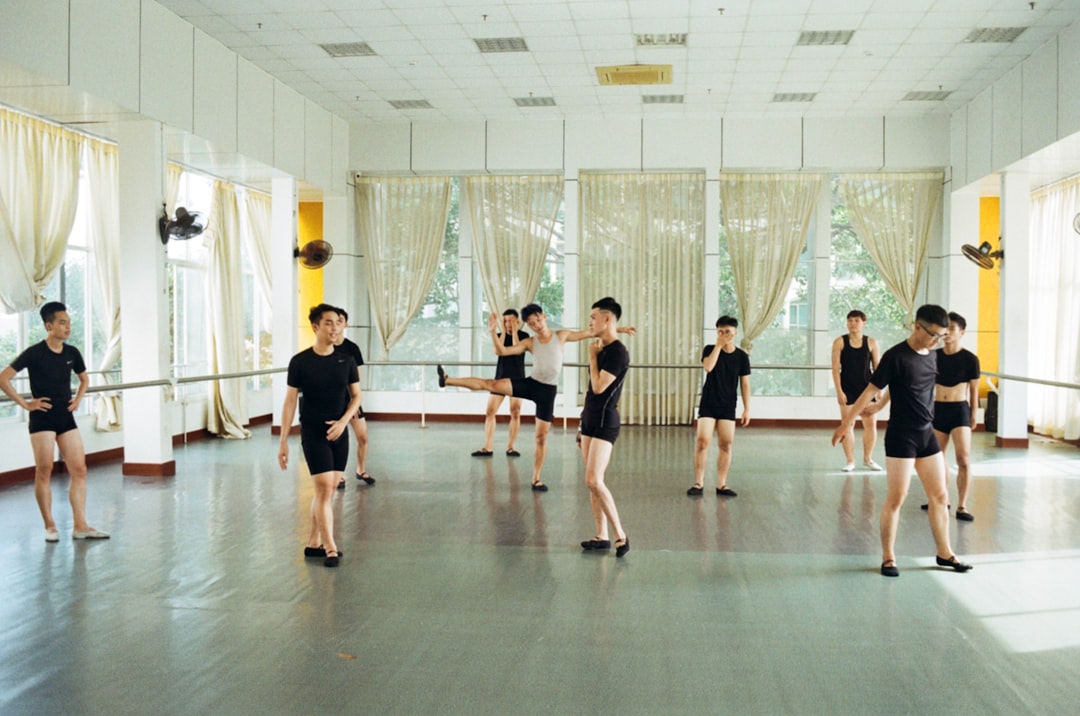
Your dance clothes do more than cover you—they directly impact how you move, how instructors see your technique, and how long you can train without distraction. The wrong fabric traps sweat and restricts motion. The wrong fit hides alignment errors or causes constant readjustment. Yet most dancers choose based on aesthetics alone, then wonder why they feel held back.
This guide moves beyond generic advice to give you genre-specific, actionable criteria for building a practice wardrobe that actually performs.
First: Know Your Priorities
Before browsing any catalog, establish your non-negotiables across four dimensions:
| Factor | What to Ask Yourself |
|---|---|
| Comfort | Can I sustain a 90-minute class without adjusting, chafing, or overheating? |
| Support | Does this garment stabilize without compressing? Do straps stay put during inversions? |
| Visibility | Can my instructor see my spine, hip alignment, and knee tracking? |
| Functionality | Does this suit my dance style's floor work, partnering, or temperature demands? |
Use these criteria to evaluate every piece below. They matter more than brand names or price tags.
Fabric Fundamentals: What Actually Performs
Performance dancewear relies on specific textile engineering. Understanding these properties prevents expensive mistakes:
Four-way stretch allows movement in all planes—essential for développés, splits, and floor work that demands lateral flexibility.
Moisture-wicking synthetics (polyester or nylon blends with spandex) transport sweat away from skin. This prevents chafing during intensive sessions and maintains fabric integrity. Avoid 100% cotton for cardio-intensive styles—it retains moisture, becomes heavy, and loses shape permanently.
Flatlock seams eliminate raised edges that create friction points during repeated movements. Check the inside of any garment: overlapping or bulky seams signal discomfort ahead.
Opacity testing: Before committing to leggings, perform a deep squat in bright light. If fabric becomes transparent, it will fail under studio spotlights.
Genre-by-Genre Recommendations
Ballet & Contemporary Technique
Essential garments: Camisole or tank leotard, convertible tights, optional sheer skirt or shorts for hip coverage.
Why these work: Ballet leotards feature higher necklines and lower leg openings to stay in place during port de bras and grand battements. Contemporary styles often use scoop backs for spinal visibility—critical when instructors need to see vertebral alignment.
Fit specifics: Leotards should feel like a second skin, not shapewear. Excessive tightness restricts blood flow and lymphatic drainage. Straps should not require readjustment after inversions.
Pro tip: Convertible tights allow barefoot work without destroying the foot seam—roll them up for contemporary, roll down for pointe.
Hip-Hop & Street Styles
Essential garments: Joggers or drop-crotch pants, cropped tops or fitted tanks, supportive sneakers with non-marking soles.
Why these work: Knee-intensive floor work demands pants with compatible padding or room to add it. Drop-crotch construction prevents waistband restriction during deep squats and isolations. High-waist options support core awareness during popping and locking.
Fabric priority: Look for brushed cotton-poly blends that slide smoothly across floor surfaces without snagging.
Ballroom & Latin
Essential garments: Practice skirts with built-in shorts, moisture-wicking bodysuits, Latin shoes with suede soles.
Why these work: Sweat-wicking linings prevent visible saturation during intensive partner practice. Hemlines must accommodate hip action without riding up—test with basic rumba walks before purchasing.
Pole & Aerial
Essential garments: Short shorts or bikini-cut bottoms, sports bras or cropped tops, long sleeves optional for friction-dependent tricks.
Why these work: Skin contact creates grip. Long sleeves specifically designed for pole (with grip strips or textured fabric) reduce hand fatigue during climbs and inversions.
Critical detail: Seams must lie flat against skin—raised edges cause painful friction burns on apparatus.
Yoga & Pilates-Based Techniques
Essential garments: High-waist leggings with gusseted crotch, fitted tanks or long-line bras.
Why these work: Core-focused disciplines demand waistbands that stay put during rolling movements. Gusseted crotch construction (a diamond-shaped fabric insert) eliminates center seam pressure during wide-legged positions.
Garment Deep Dives: Making the Right Choice
Leotards: Beyond the Basics
Sleeve length matters more than aesthetics:
- Long sleeves: Essential for pole friction, warmth in cold studios, and arm-line visibility in ballet
- Cap sleeves: Preferred for shoulder alignment checks in contemporary and modern
- Tank/camisole: Maximum cooling and upper-back visibility
Lining options: Shelf bras suit smaller frames; built-in full