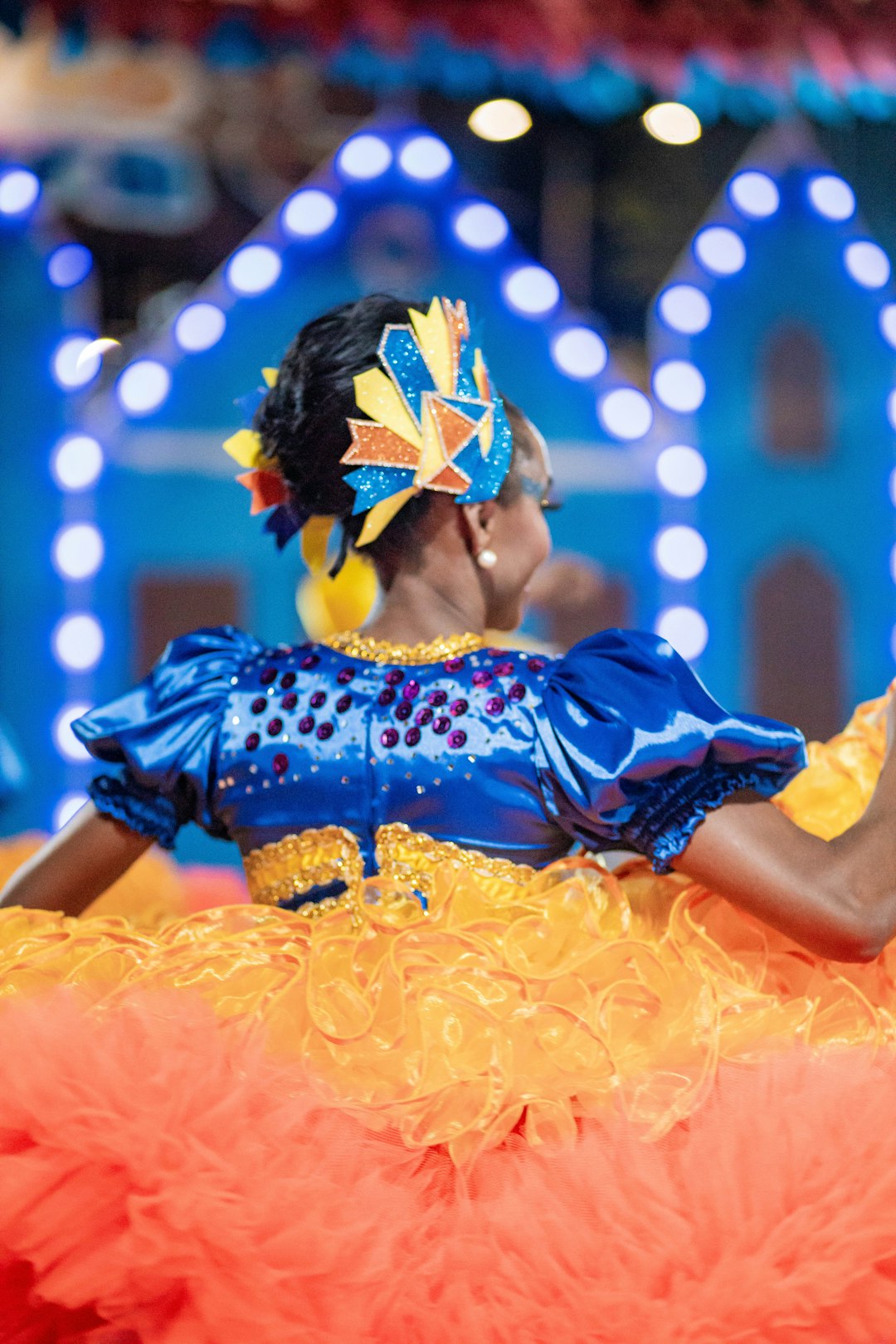
The right Flamenco shoe doesn't just protect your foot—it becomes an instrument. Every golpe (strike), plantilla (full sole stamp), and punta (toe tap) depends on the marriage between leather, nail, and dancer. Whether you're stepping into your first sevillanas class or preparing for a tablao debut, your shoe choice shapes your sound, your stamina, and your safety.
This guide breaks down what actually matters when selecting Flamenco footwear, with specific recommendations for every skill level and budget.
1. Material: Beyond "Leather vs. Synthetic"
Not all leather performs equally in Flamenco. Your choice affects everything from break-in time to how your footwork projects across a room.
Upper Materials
| Type | Best For | Characteristics |
|---|---|---|
| Patent leather | Performances, competitions | Rigid structure, brilliant shine, minimal stretch; requires longer break-in |
| Soft/full-grain leather | Practice, daily classes | Molds to foot quickly, breathable, develops character over time |
| Nubuck | Traditional aesthetic performances | Matte finish, requires more maintenance, excellent for folk-style pueblo choreography |
What to Skip
Synthetic microfiber and canvas options exist for absolute beginners testing interest, but serious training demands leather. Why? Sound quality. The density and grain of genuine leather interact with floor surfaces and nail placement in ways synthetics cannot replicate. Most instructors will redirect students in plastic shoes within their first month.
Interior Construction
Look for moisture-wicking linings—suede or treated cotton—that manage the sweat of three-hour rehearsals. Unlined shoes save cost but accelerate wear and odor.
2. The Sound System: Nails, Heels, and Sole
This is where generic dance shoe advice fails Flamenco dancers entirely. Your shoe is a percussion instrument.
Clavos (Nails)
Professional Flamenco shoes have embedded nail beds at toe and heel. These aren't decorative—they're functional sound generators:
- Steel nails: Maximum volume and brightness; preferred for large theaters and outdoor tablao stages
- Aluminum nails: Lighter weight, subtler tone; ideal for studio practice and intimate venues
- Replaceable vs. fixed: Professional-grade shoes (Gallardo, Menkes) use threaded nail beds allowing replacement; student shoes often have permanent nails that wear down irreversibly
Heel Construction (Tacón)
| Heel Type | Height | Best For | Sound Profile |
|---|---|---|---|
| Standard/Curvo | 5–6cm | All-around training, alegrías, bulerías | Balanced projection, stable center of gravity |
| Cubano | 4–5cm, wider base | Beginners, dancers with ankle concerns, tangos | Lower, broader sound; forgiving for balance |
| Carrete | 6–7cm, slender | Advanced performers, soleá, siguiriya | Maximum visual line, requires exceptional ankle strength |
Critical detail: The heel's internal core. Premium shoes use stacked leather or hardwood; budget options use compressed fiber that compresses unevenly and destroys your alignment.
Sole Configuration
Flamenco soles are suede or leather, never rubber (which deadens sound and catches on floor seams). Thickness matters:
- 3–4mm: Standard for sprung wood floors
- 5mm+: Necessary for tile, concrete, or outdoor performance surfaces
3. Fit: The Snugness Paradox
Flamenco shoes must fit more precisely than street shoes or even ballet slippers. Here's why: loose shoes slide during rapid escobilla (brushwork) sequences; tight shoes cut circulation during sustained llamada (calling) postures.
Fitting Protocol
- Try shoes in late afternoon, when feet are most swollen
- Wear your actual dance tights or socks—thickness changes volume significantly
- Test the "pinch test": You should feel toe contact with the shoe's front without curling; there should be no gap at the heel when standing
- Execute a full planta-tacón-punta sequence: The shoe should feel like a second skin, not a container
Break-In Reality
Quality leather stretches 3–5% across the width. Buy snug, not painful. Most dancers need 10–15 hours of class to achieve optimal fit. Accelerate safely with leather conditioner applied sparingly to interior seams—never the exterior, which affects floor contact.
Gender and Foot Shape Considerations
Men's Flamenco shoes differ