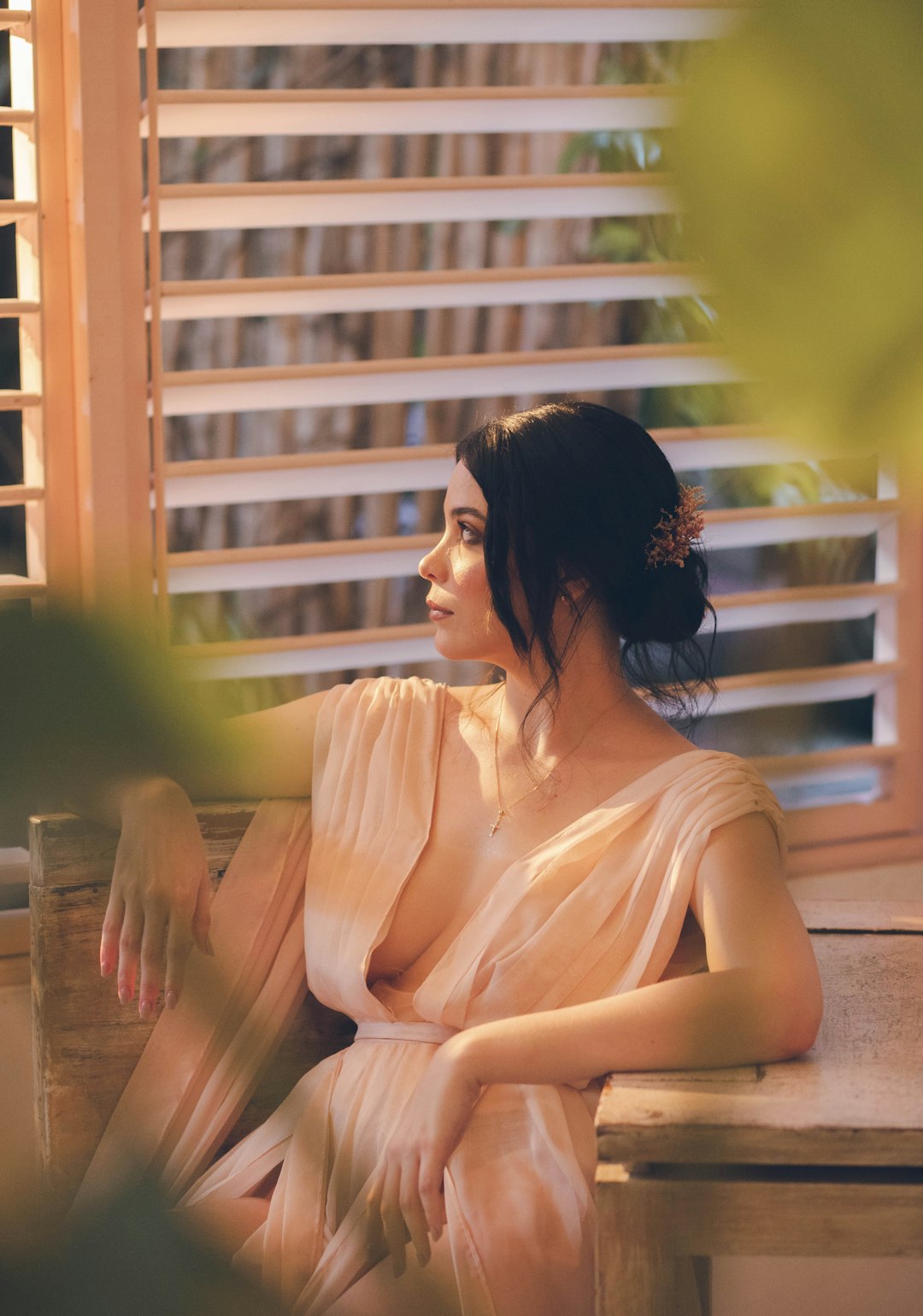
Lyrical dance demands that your body become the story—but the wrong dancewear can turn emotional expression into technical distraction. Unlike ballet's rigid structure or hip-hop's streetwear flexibility, lyrical occupies a unique middle ground where fabric, fit, and feeling must align perfectly. Whether you're rehearsing in a mirrored studio or performing under hot stage lights, your clothing choices directly impact how freely you can move and how convincingly you can convey emotion.
This guide breaks down exactly how to select dancewear that serves your artistry, with specific recommendations that go beyond generic "comfort and stretch" advice.
1. Define Your Purpose: Practice Wear vs. Performance Costumes
Before browsing catalogs, clarify where you'll wear each piece. The demands differ significantly:
Studio Practice Wear
- Prioritize durability: You'll wash these pieces 3–4 times weekly
- Layer strategically: Studios run cold in winter mornings and sweltering in summer afternoons
- Choose muted tones: Bright colors distract in the mirror and make alignment harder to assess
Performance Costumes
- Optimize for lighting: LED stage lights wash out pastels; jewel tones (emerald, sapphire, burgundy) photograph with depth
- Plan quick-changes: Avoid back closures you can't manage alone; consider hook-and-eye or magnetic alternatives
- Account for judging criteria: Competitions often score "overall appearance"—a poorly fitted costume deducts points regardless of technique
The Rehearsal Costume Compromise Many dancers overlook this middle category. Rehearsing in your actual costume reveals problems—snagging skirts, slipping straps, restricted breathing—that studio wear hides. Purchase duplicates of competition pieces for dress rehearsals, or commission simpler versions in practice-appropriate fabrics.
2. Master Movement Requirements: Fit and Fabric Combined
Lyrical choreography blends sustained adagio, explosive leaps, and intricate floor work. Your dancewear must accommodate all three without adjustment.
Fabric Specifications That Matter
| Fabric Type | Best For | Avoid When |
|---|---|---|
| Four-way stretch lycra (90% nylon/10% spandex) | Compression, shape retention, recovery after deep stretches | Budget options with less than 10% spandex lose elasticity within months |
| Moisture-wicking Supplex® or similar microfibers | Emotionally intense pieces where sweat visibility breaks character | Dancers with sensory sensitivities (some find synthetic textures irritating) |
| Mesh paneling (back, underarms, side torso) | Ventilation without compromising body line | Pieces with mesh at stress points (knees, seat) that tear during floor work |
| Chiffon or georgette overlays | Flowing movement quality, hiding leg lines during transitions | Turns and rapid direction changes where fabric wraps unpredictably |
Skip 100% cotton for performance—it shows sweat immediately and offers zero compression. For practice, cotton-spandex blends (95/5) work if you prioritize breathability over polished appearance.
Fit Details Professionals Know
- Silicone grip lining: Essential at leotard leg openings and strap interiors for turns and inversions
- Built-in briefs: Skirts with attached bottoms prevent exposure during développés à la seconde or backbends
- Torso length matching: Tall dancers need "long" sizes; a too-short bodice creates uncomfortable tension and visible panty lines
- Sleeve mobility: Test arm circles in any sleeved piece—lyrical port de bras requires full overhead range
3. Color Strategy: Psychology Under Stage Lights
Color in lyrical dance operates as emotional shorthand. But studio appearance and stage appearance diverge dramatically.
Emotional Associations by Palette
| Palette | Emotional Signal | Best For |
|---|---|---|
| Dusty rose, sage, blush | Vulnerability, innocence, nostalgia | Coming-of-age narratives, memory pieces |
| Midnight blue, charcoal, plum | Mystery, transformation, grief | Dramatic solos, loss or change themes |
| Amber, rust, ochre | Earthiness, grounded strength | Contemporary-lyrical fusion, tribal influences |
| Ivory, soft gold | Ethereal quality, spiritual themes | Angelic characters, heaven/afterlife narratives |
| Crimson, electric violet | Passion, danger, rebellion | High-energy group pieces, defiance themes |
Technical Considerations
- LED stage lights (increasingly common in competitions) cool colors dramatically; warm tones read more accurately
- Black absorbs light and can flatten movement unless cut with strategic sheer panels or embellishment
- Nude mesh should match your stage skin tone (often darker than natural due to makeup) for seamless illusion effects
4. Embellishment Strategy: Intentional Sparkle
"Add some sparkle" undersells the decision. Embellishment in lyrical dance must serve