Lindy Hop demands clothing that works as hard as you do. This high-energy swing dance—born in 1930s Harlem—combines explosive athleticism with close partner connection, making your wardrobe choices genuinely consequential. The wrong fabric traps heat and restricts movement. The wrong shoes destroy your knees. The wrong accessories injure your partners.
This guide delivers precise, actionable advice for dancers at every level, from first social dance to championship competition.
Prioritize Movement-First Fabrics
Your clothing must survive 200+ beats per minute without binding, chafing, or turning you into a sweat-drenched liability to your partners.
Recommended Materials
| Fabric | Weight | Best For | Avoid |
|---|---|---|---|
| Cotton lawn | 80–120 GSM | Shirts, dresses, full skirts | Heavy quilting cotton (too stiff) |
| Rayon challis | 100–150 GSM | Draped dresses, flowy trousers | Cheap polyester "satin" (doesn't breathe) |
| Linen blends | 130–180 GSM | Summer events, structured pieces | 100% linen (wrinkles excessively) |
| Bamboo jersey | 180–220 GSM | Base layers, fitted tops | Thick cotton jersey (retains moisture) |
Critical distinction: Breathable fabrics allow air circulation. Moisture-wicking fabrics (technical synthetics like polyester microfiber) pull sweat away from skin. For Lindy Hop, prioritize breathability—wicking fabrics often trap heat and develop persistent odors.
Test before you dance: Raise your arms overhead. Bend at the waist. Do a quick spin. If anything rides up, gaps, or restricts, eliminate it from your rotation.
Master the Vintage Aesthetic (Without Sacrificing Function)
Authentic Lindy Hop style honors the dance's 1930s–40s origins. Here's how to nail the look with modern performance standards.
For Follows
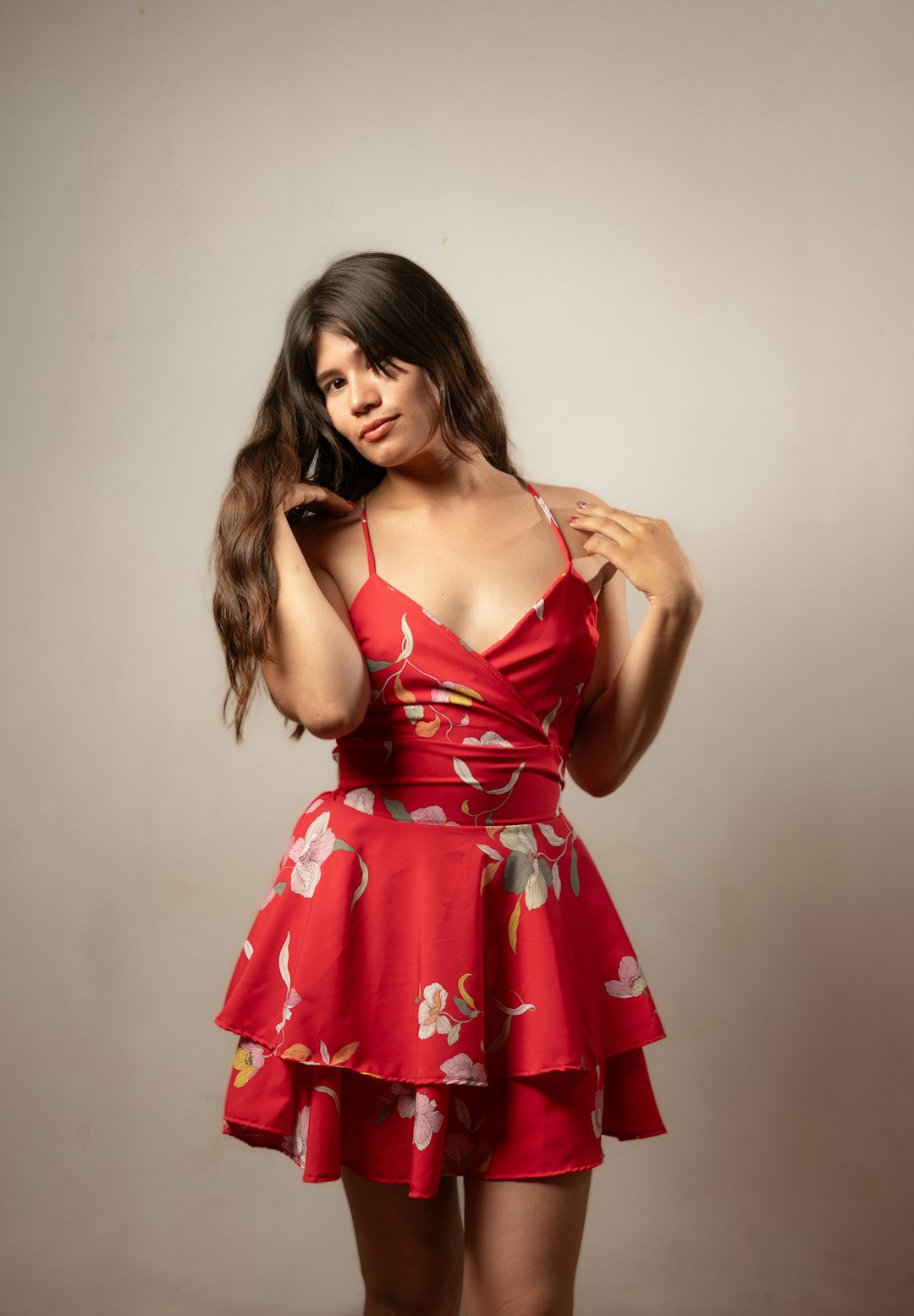
Skirts: Circle skirts or half-circle cuts provide the iconic silhouette without the bulk of petticoats. Opt for 22–26 inch lengths—measured from your natural waist. Shorter risks exposure during spins; longer catches heels.
Dresses: Fit-and-flare cuts with set-in sleeves (not dropped shoulders, which restrict overhead movement). Test the neckline: lean backward as if in a dip. If you see bra, your partners will too.
Trousers: High-waisted wide-leg cuts in rayon or lightweight wool crepe. Avoid modern skinny fits that prevent knee lifts and Charleston kicks.
For Leads
Trousers: High-waisted designs with fishtail backs or suspenders eliminate the need for belts that dig during close embrace. Front pleats provide sitting ease without bagginess. Cuff width: 8–9 inches to clear your shoes during footwork.
Shirts: Rayon camp shirts, knit polos, or cotton broadcloth button-downs. Critical detail: Shirt garters (shirt stays) keep tails tucked through vigorous movement. Nothing signals amateur like untucking mid-dance.
Layering: Lightweight cardigans or vests for temperature control. Avoid heavy wool suits except in genuinely cold venues—overheating degrades performance faster than mild chill.
Footwear: The Make-or-Break Decision
Incorrect shoes cause plantar fasciitis, knee injuries, and ankle rolls. This is non-negotiable technical territory.
What You Actually Need
Sole material: Smooth leather or suede. These allow controlled sliding essential for Lindy Hop's swivels and slides. Rubber soles grip excessively, forcing torque through knees and hips.
Heel height: 1–1.5 inches for follows (stability in spins); flat to 1 inch for leads (grounded connection). Avoid anything over 2 inches—Lindy Hop is not ballroom.
Construction: Secure heel counter, flexible forefoot, minimal cushioning (excessive foam destabilizes balance).
Proven Options
| Shoe | Price Range | Best For | Notes |
|---|---|---|---|
| Keds Champion (leather sole modification) | $40–60 + resole | Beginners, casual dancers | Durable canvas upper; requires professional leather sole installation |
| Aris Allen Dance Shoes | $85–120 | Authentic vintage aesthetic | Reproduction 1930s–40s designs; suede soles standard |
| Saint Savoy | $140–180 | Serious social dancers | Handmade, exceptional durability |
| Vintage 1940s–50s oxfords | $30–150 (vintage market) | Period purists | Inspect sole condition; budget for resoling |
Break-in protocol: Never wear new shoes to a full dance. Walk in them for 2–3 hours, then do 30 minutes of solo practice. Your feet