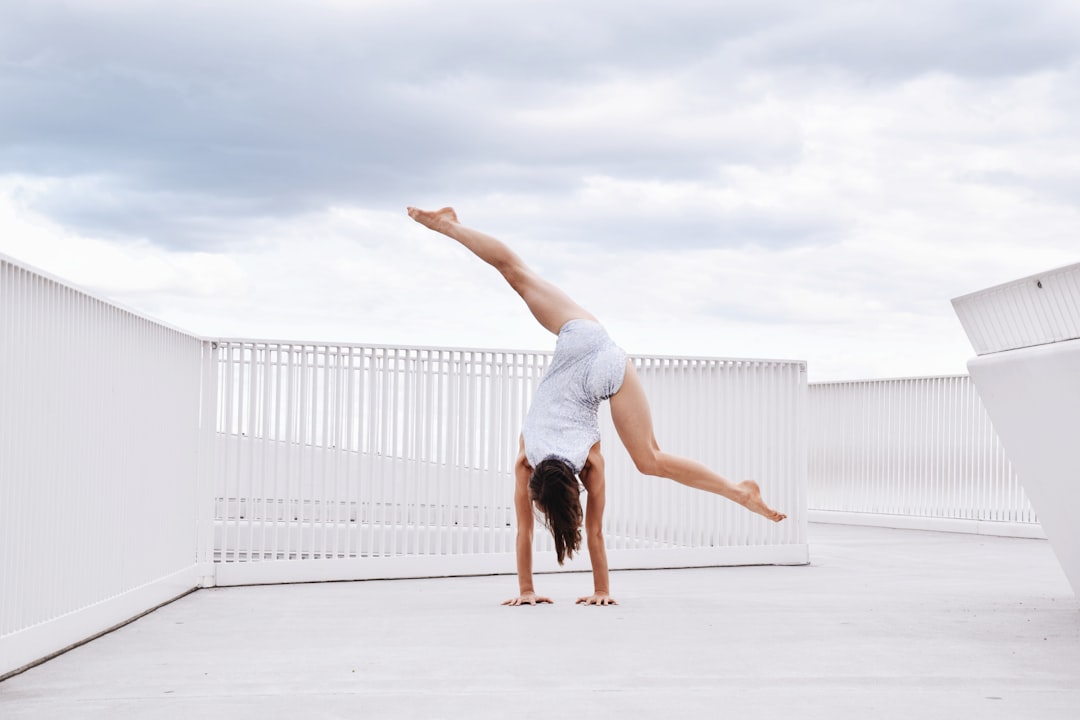
You're midway through a Graham contraction, spine curling toward the floor, when your sneaker sole catches on the marley. In that split second, the wrong shoe doesn't just limit your line—it can break your focus, jar your alignment, or even roll your ankle.
Contemporary dance demands that your feet articulate, grip, slide, and absorb impact—sometimes within the same phrase. Yet too many dancers treat footwear as an afterthought, grabbing whatever looks right or copying a teammate. This guide will walk you through how to actually choose shoes that serve your movement, your floor, and your feet.
Understanding the Basics: What Contemporary Dance Demands
Unlike ballet's rigid structure or hip-hop's cushioned stability, contemporary footwear must do contradictory things at once:
- Flexibility for pointed feet, curled toes, and articulated rolls
- Grip for controlled slides and stable landings
- Protection for floor work, falls, and repeated pressure
- Disappearance—the best shoe is one you forget you're wearing
Contemporary technique often shifts from vertical to horizontal in a single count. Your shoe (or lack thereof) needs to handle weight-bearing jumps, sensitive ball-of-the-foot work, and skin-on-floor friction without becoming a distraction.
Barefoot vs. Covered: The First Decision
Before you browse brands, answer this: Do you actually need a shoe?
Many contemporary dancers perform entirely barefoot. In a controlled studio with clean marley or sprung wood, bare feet offer maximum sensitivity, the cleanest aesthetic line, and zero transition time. If your choreography involves a lot of toe pointing, foot grabbing, or intimate floor contact, barefoot may be your best option.
Go barefoot when: you're in a familiar, clean studio; the choreography rewards visible foot articulation; and your skin has built up tolerance.
Cover your feet when: you're touring on unknown floors, performing outdoors, rehearsing marathon hours, or working on concrete, tile, or worn wood. Blisters, splinters, and floor burns are not badges of honor—they're preventable injuries that compromise your training.
Types of Shoes for Contemporary Dance
Here's how the most common contemporary footwear actually performs, with honest guidance on when each shines and falls short.
Barefoot Shoes (Foot Pads, Toe Undies, Foot Thongs)
These minimal coverings protect the ball of the foot and toes while leaving the heel and arch exposed. They preserve much of the barefoot look and feel.
| Best For | Avoid If |
|---|---|
| Floor-heavy choreography, lyrical or emotive pieces, dancers building calluses | High-impact jumps on hard surfaces, routines with extensive heel work, very sweaty feet (slippage risk) |
What to know: Foot pads prevent blisters during repeated knee slides and floor rolls. Toe undies add grip for turns without the bulk of a full shoe. However, they offer zero arch support and minimal cushioning—land a leap on concrete, and you'll feel every inch.
Split-Sole Sneakers
Designed with a gap between the forefoot and heel pads, split-sole sneakers allow your arch to point fully and your foot to bend naturally.
| Best For | Avoid If |
|---|---|
| Rehearsals with mixed vocabulary (contemporary, jazz, commercial), dancers needing ankle support | Performances requiring a polished barefoot look, very sticky floors where rubber soles grab too aggressively |
What to know: The flexibility is real, but not all split soles are equal. Some brands cut the sole too narrow, forcing your foot to balance on a ridge rather than spread naturally. Test a plié and a forced arch before buying.
Canvas Slip-Ons (Jazz Shoes, Dance Sneakers)
Lightweight, breathable, and easy to kick on and off, these are the workhorses of many contemporary dancers.
| Best For | Avoid If |
|---|---|
| Warm-ups, quick changes, classes with a lot of standing technique | Dancers with high arches needing structured support, very slippery floors where canvas soles offer too little grip |
What to know: Canvas molds quickly but wears out fast. If you're rehearsing daily, expect to replace canvas shoes every few months. Leather versions last longer but require a painful break-in period.
Key Features to Evaluate
Once you've narrowed your category, inspect these details before purchasing.
Material: Leather vs. Canvas vs. Synthetic
- Leather molds to your foot like a second skin, offers durability, and grips well. Downside: it needs breaking in, isn't machine washable, and traps heat.
- Canvas breathes beautifully, is often washable, and affordable. Downside: it stretches out, wears through at pressure points, and offers less structured support.
- Synthetic blends vary wildly. Some high-performance synthetics wick sweat and dry quickly. Cheap synthetics trap odor and crack