---
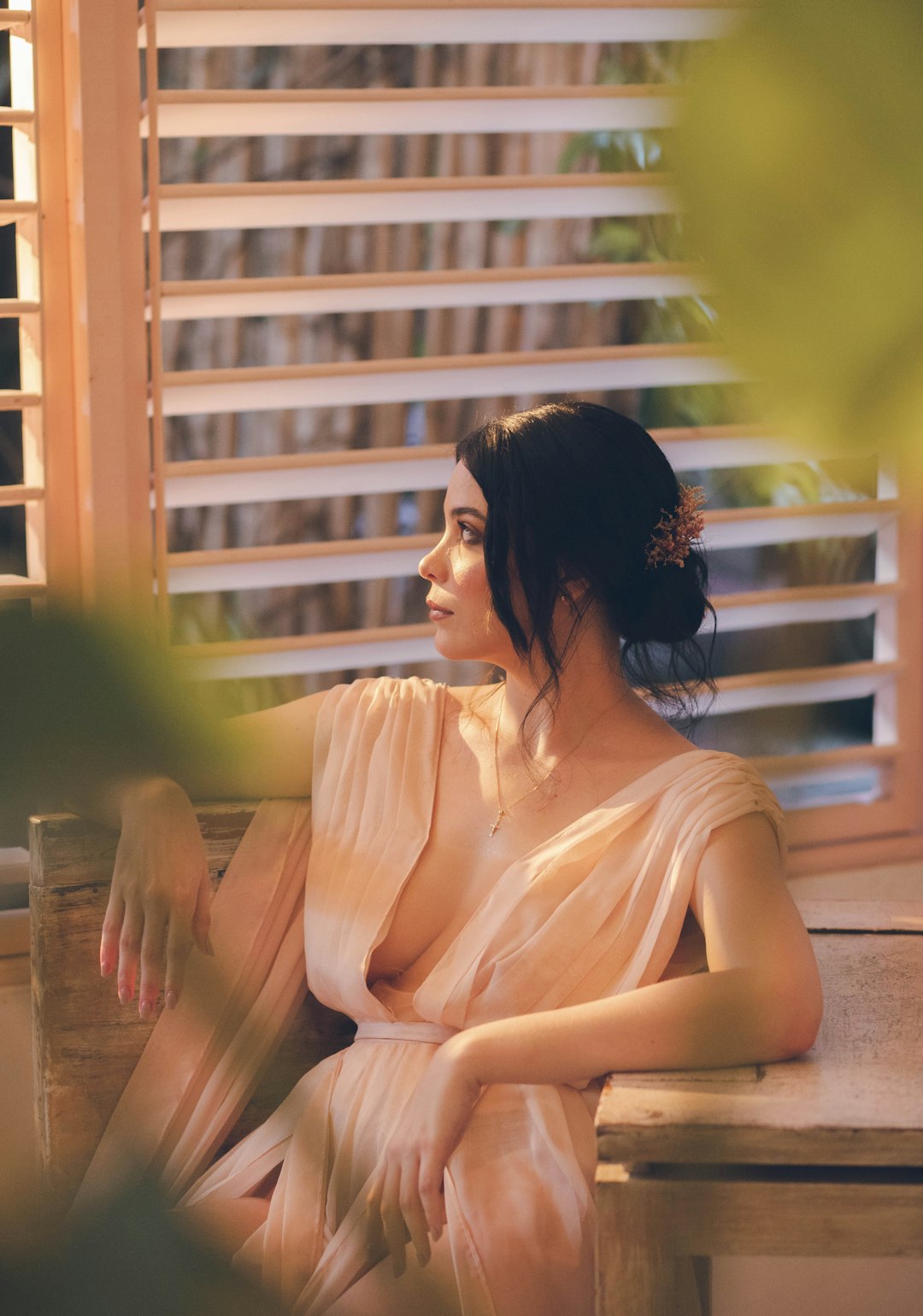
I pertama kali jatuh cinta dengan lyrical dance bukan di studio tari. Tapi di kamar kecil apartemenku, sambil mendengarkan lagu favoritku di earphone, gerakan tangan yang tak pernah kuantum—seolah tubuhku berusaha menyampaikan sesuatu yang tak mampu terucap oleh bibir.
Maybe you know that feeling. That moment when a song hits different and your body just moves—not choreographed, not planned, just... real. That's the essence of lyrical dance. It's not about perfect pirouettes or looking graceful. It's about honest movement.
What Lyrical Dance Actually Feels Like
Forget everything you've seen in music videos with their polished formations and synchronized fingers. Lyrical dance is messier than that. More human. Lyrical dance is when a dancer hears a melody and lets their body translate the emotion the way a painter translates a sunset into oranges and purples.
The best lyrical dancers aren't the most technical ones. They're the ones willing to be vulnerable. To let the music crack them open.
This dance style blends ballet's precision, jazz's energy, and contemporary's freedom—but none of that technical jargon matters when you're in the moment, moving like your life depends on it.
The Ground Zero: Your Body
Let's get practical. Before you can emote like a professional, you need a body that responds to what your heart feels.
Alignment sounds clinical, but here's what it actually means: stand like someone who knows their worth. Spine long, shoulders away from your ears, weight balanced. Not stiff—present. Think of how a cat stretches before pouncing. That's your body when it's aligned and ready.
Pliés (bending your knees, if you're new here) and relevés (rising onto your toes) aren't just exercises. They're your foundation. Most people think lyrical dance is all about emotion and zero about technique. Wrong. You need both. Emotion without control is flailing. Control without emotion is robot-ing.
Port de bras—the way your arms move—matters more in lyrical than almost any other style. Your arms tell the story your face can't. They reach, they grasp, they release. Practice moving your arms like you're conducting an orchestra only you can hear.
The Music Isn't Background Noise—It's Your Partner
Here's where most beginners crash and burn: they try to perform to music instead of conversing with it.
Stop planning your movements and start listening. What does the vocalist sound like—straining, soft, broken, triumphant? Where does the melody rise? Where does it breathe? The best lyrical dancers aren't following choreography—they're having a dialogue with every note.
Pro tip: Put on a song that makes you cry. Then move. Don't choreograph. Don't think. Just let your body respond to what that song does to your chest. That's lyrical dance. That's the entire point.
Your facial expressions aren't optional add-ons either. A furrowed brow, a soft glance, a jaw that unclenches—these tell your audience what your hands can't. Emotion lives in your face in lyrical dance. Hide nothing.
The Actual Work Nobody Talks About
I'll be honest with you: improvement in lyrical dance is 10% inspiration, 90% showing up when you don't feel like it.
Warm up every single time. I'm serious. Your body isn't a machine that goes from zero to emotion. Stretch those hamstrings, roll those ankles, wake up your spine. A five-minute warm-up prevents months of injury setbacks.
Record yourself. I know, I know—it's painful. You hate watching yourself. Do it anyway. That moment when you see your shoulders creeping up during a turn, or your arm movement looking disconnected from your torso—that's information worth gold. You're both the dancer and the director now.
Find a teacher who makes you uncomfortable. Not in a bad way, but in a "they see potential you haven't discovered yet" way. Group classes are great for energy and accountability. But private feedback? That's where the transformation happens.
The Part Nobody Wants to Admit
Your style won't look like anyone else's—and that's the point.
Trying to replicate your favorite dancer's movements is like trying to wear someone else's skin. It never fits right. Let your personality bleed into your movement. Are you quiet and contained? Let that show in your lines. Are you explosive and dramatic?Own it. The most memorable lyrical dancers aren't the most technically perfect—they're the most themselves.
Experiment with different genres. A pop song might speak to you differently than a classical piece. Choreography that feels right for one song might fall completely flat for another. This is exploration, not prescription.
So What Now?
Find a song that makes your heart race, stand in an empty room, and move. Not well. Not beautifully. Just move.
That's it. That's the whole thing.
Lyrical dance isn't about becoming someone else. It's about becoming so honest with your body that your movements finally match what you've always felt but never known how to say.
The studio floor is waiting. Your playlist is ready.
Now go dance like it matters.