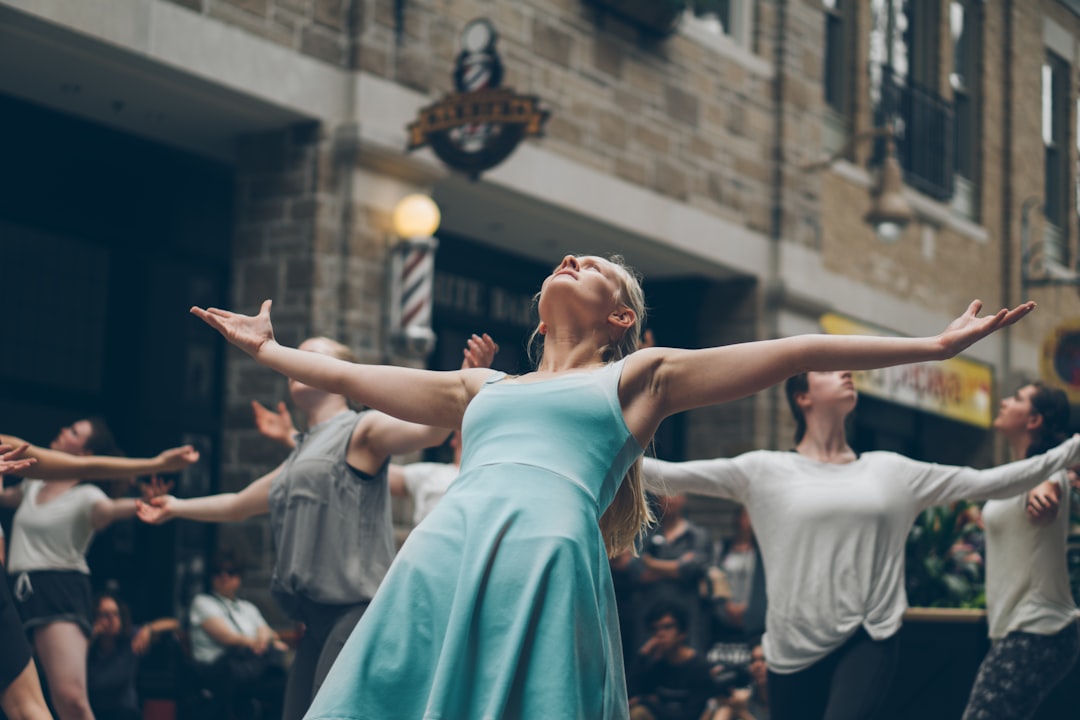
In contemporary dance, your body is your primary instrument of expression. Every stretch, fall, and rebound tells a story. The clothing you wear isn't just a costume; it's the first layer of that narrative, either amplifying your movement or holding it back. The right dancewear does more than cover you—it becomes a partner in your performance, enabling your technique and enhancing the artistry you cultivate.
More Than Fabric: Dancewear as an Extension of Artistry
Choosing the right attire is a critical artistic decision. On a functional level, it must provide the freedom for uninhibited movement, from deep lunges to fluid spirals. But its role runs deeper. Proper dancewear allows your teacher or choreographer to see your alignment and technique clearly, providing crucial feedback. It also fosters the confidence needed to fully inhabit the emotional landscape of your piece. When your clothing moves with you, not against you, you can focus wholly on the art you're creating.
To translate this purpose into practice, let your selections be guided by four essential pillars.
The Four Pillars of Functional Dancewear
Whether you're shopping for class or performance attire, use these four elements as your checklist.
Fit
Your dancewear should fit like a second skin—snug enough to stay in place and reveal your form, but never so tight that it restricts circulation or movement. The fit should honor your body's lines, creating a seamless silhouette that lets the movement itself be the focus.
Material
Seek out breathable, stretchy fabrics like cotton blends, microfiber, and technical knits. These materials wick moisture, allow for a full range of motion, and can withstand the demands of floor work without snagging.
The drape of a fabric is its aesthetic superpower. It can visually extend a line, adding grace and fluidity to every gesture, turning simple movement into visual poetry.
Style
This is where personal aesthetic meets function. Your style choices can subtly influence the tone of your performance. Do you want a unified, elongated line? Or a look that plays with contrast and texture? Choose styles that complement your body and serve the story you're telling. For instance, a deconstructed, layered look might suit a piece about fragmentation, while a sleek unitard could underscore themes of unity.
Color
Color is a powerful, non-verbal communicator. Bright, bold hues can project energy and help you stand out on stage, while muted tones, blacks, and neutrals often create a sense of sophistication, minimalism, or raw emotion. Consider how your color choice interacts with the lighting and theme of your piece.
[Consider an infographic here summarizing the Four Pillars: Fit, Material, Style, Color.]
Applying the Pillars: Curating Your Movement Toolkit
Using the pillars summarized above as your checklist, you can now curate a wardrobe with intention. The following core garments form a dancer's toolkit, each serving distinct expressive and functional needs.
Leotards: The Versatile Cornerstone
Providing full-torso coverage and security, the leotard is the foundational layer of a dancer's wardrobe.
- Pillar Connection: Fit & Versatility. Its second-skin fit creates a clean line and offers maximum style versatility.
- Best for: Creating a clean line and pairing seamlessly with every other item in your kit.
- Style Tip: Pair a sleeveless leotard with convertible tights for focused foot articulation, or with wide-leg pants for a dramatic, flowing effect.
[Image: Dancer in a sleek leotard executing a turn.]
Unitards: The Seamless Statement
- Pillar Connection: Fit & Style. The unitard excels in creating a seamless fit that results in a singular, sculptural style.
- Best for: Crafting a long, uninterrupted silhouette. Ideal for pieces involving intricate floor work, as they eliminate waistbands that can dig in and provide full coverage without bulk.
- Style Tip: A high-neck unitard can evoke a sense of modern sculpture, while a low-back design adds an element of vulnerability.
[Image: Dancer in a high-neck unitard performing floor work.]
Skirts: The Element of Flow
- Pillar Connection: Material & Style. The material (lightweight, flowing) directly enables a style of added drama and grace.
- Best for: Adding an extra dimension of movement and drama to your performance.
- Style Tip: Look for skirts made from lightweight chiffon or jersey that won't tangle. A short, flared skirt can emphasize turns, while a long, asymmetrical skirt can magnify sweeping leg movements.
[Image: Dancer in a flowing skirt mid-leap.]
Pants & Leggings: The Foundation of Texture
- Pillar Connection: Material & Style. The material defines the look, from sleek knits to drapey wovens, supporting a grounded style.
- Best for: A relaxed, grounded aesthetic or for emphasizing intricate footwork.
- Style Tip: High-waisted leggings offer support and a sleek line. Wide-leg or harem pants create a beautiful, bohemian drape and can make floor work look effortless.
[Image: Dancer in wide-leg pants during grounded floor work.]
Final Movement: Wear Your Art
Let your dancewear be a conscious choice—an empowered layer that supports your technique and honors your artistic voice. By selecting pieces that align with the four pillars, you transform your attire from mere clothing into an integral partner in your expression. It becomes the silent collaborator that moves with you, freeing you to fully inhabit the story your body is telling.
Now, go move.
What's your go-to piece for creating a seamless silhouette, and why? Share in the comments below!










