That First Beat Changes Everything
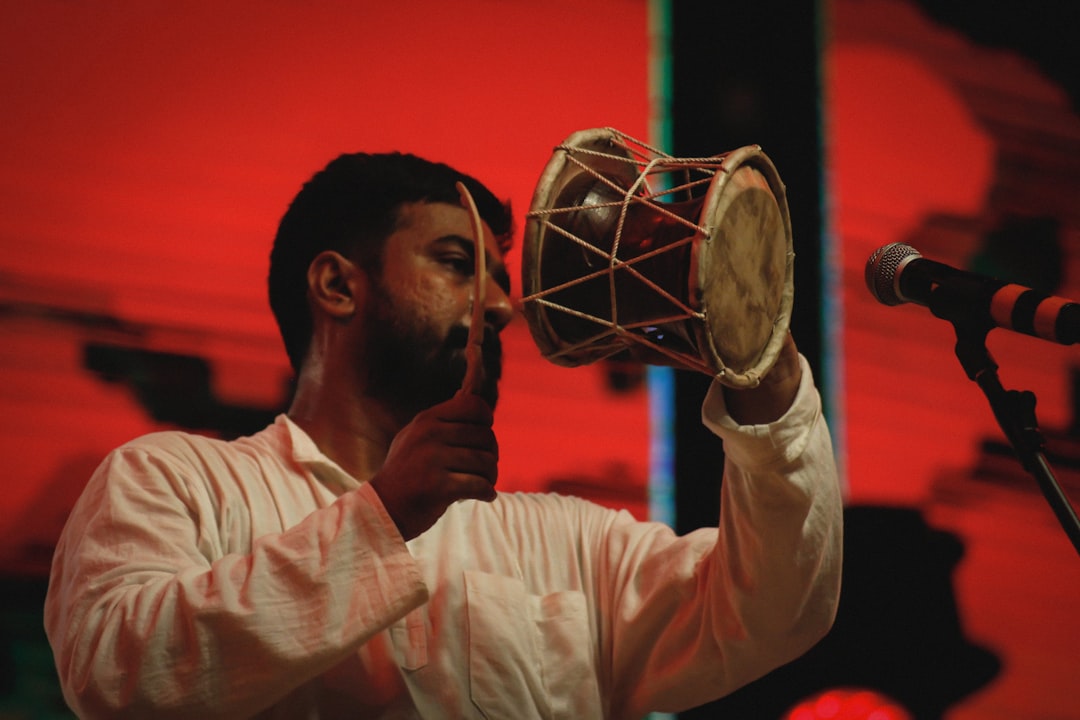
I'll never forget the moment a live darbuka player walked into my beginner belly dance class. I'd spent months drilling hip drops to stale studio playlists. Then this guy—barefoot, grinning, wrists loaded with brass cymbals—started tapping out a maqsoum rhythm that rattled the mirrors. My hips moved before my brain caught up. That's the thing about real Middle Eastern dance music: it hijacks your body and sorts out the technique later.
The Rhythms Nobody Warns You About
Belly dance teachers love to talk about hip circles and arm paths. They rarely warn you that you'll spend your first year of performances desperately trying to count while the musician speeds up just because the crowd's getting into it. Egyptian baladi (that slow, moody 4/4 pulse) will test every ounce of your musicality. You can't fake your way through it with sparkly costumes and a big smile. The rhythm demands you actually feel something.
Then there's masmoudi. Eight beats that roll in like waves hitting a shoreline twice. The first time I improvised to masmoudi in front of an audience, I panicked and froze on beat six. My teacher later told me the best dancers let that circular momentum carry them—don't fight the gravity of it, she said. I spent six months learning what she meant.
Saidi hit different. Rooted in Upper Egypt's stick-dancing traditions, it's sharper, punchier, almost cocky. You don't glide through saidi; you stomp and challenge it. I watched a dancer in Cairo match a drummer note-for-note with her cane work once. The audience lost their minds. That's the exchange—call and response, musician and mover, neither one leading for too long.
The Instruments Behind the Magic
The tabla (darbuka to most folks) gets the spotlight, and for good reason. A skilled player's fingers can make that goblet drum whisper, roar, and everything between. But don't sleep on the riq—that little frame drum with its jingling brass discs. It cuts through restaurant noise like nothing else, keeping time while adding sparkle.
The oud? That's the storyteller. Those eleven strings pluck out melodies older than most countries, and when one starts playing a taqsim (an improvised solo), the whole room holds its breath. I've seen dancers stand completely still for two full minutes, just listening, letting the oud breathe before they even lift a finger. Try pulling that off at a modern pop concert.
More Than Background Noise
Here's what took me years to grasp: this music isn't a soundtrack for your costume changes. In Cairo or Istanbul, the musician might be someone's uncle who played at their sister's wedding. The lyrics reference poets dead for centuries, love stories everyone in the room already knows by heart. When you dance to live Arabic music, you're stepping into an ongoing conversation that started before you were born.
Turkish compositions layer in different flavors—sometimes melancholic, sometimes playful, always intricate. A dancer in Anatolia moves differently than one in Alexandria because the music asks different questions of her body.
The Room Where It Happens
I've danced to canned tracks in church basements and to live ensembles at haflas where the audience sang along to every chorus. The difference is criminal. Recorded music keeps you safe; live music keeps you honest. You miss a cue? Everyone hears it. You catch a subtle tempo shift and ride it? Everyone feels that too.
My teacher used to say the drum has a face. Look at it, she insisted. The rhythm isn't hiding in some abstract place—it's right there in the player's hands, in the sweat on his forehead, in the way his shoulders relax when the crowd finally gets it.
Find the Pulse
If you're new to this, stop chasing choreography videos for a minute. Put on a YouTube recording of Hossam Ramzy or a classic Egyptian orchestra track. Close your eyes. Count nothing. Just notice where your weight naturally shifts. That physical response? That's not beginner's luck or good genetics. That's centuries of rhythm doing exactly what it was designed to do.
The music doesn't need your perfection. It wants your honesty. And honestly? Sometimes the most beautiful thing you can do on stage is stop trying so hard and just let the darbuka tell you where to go next.