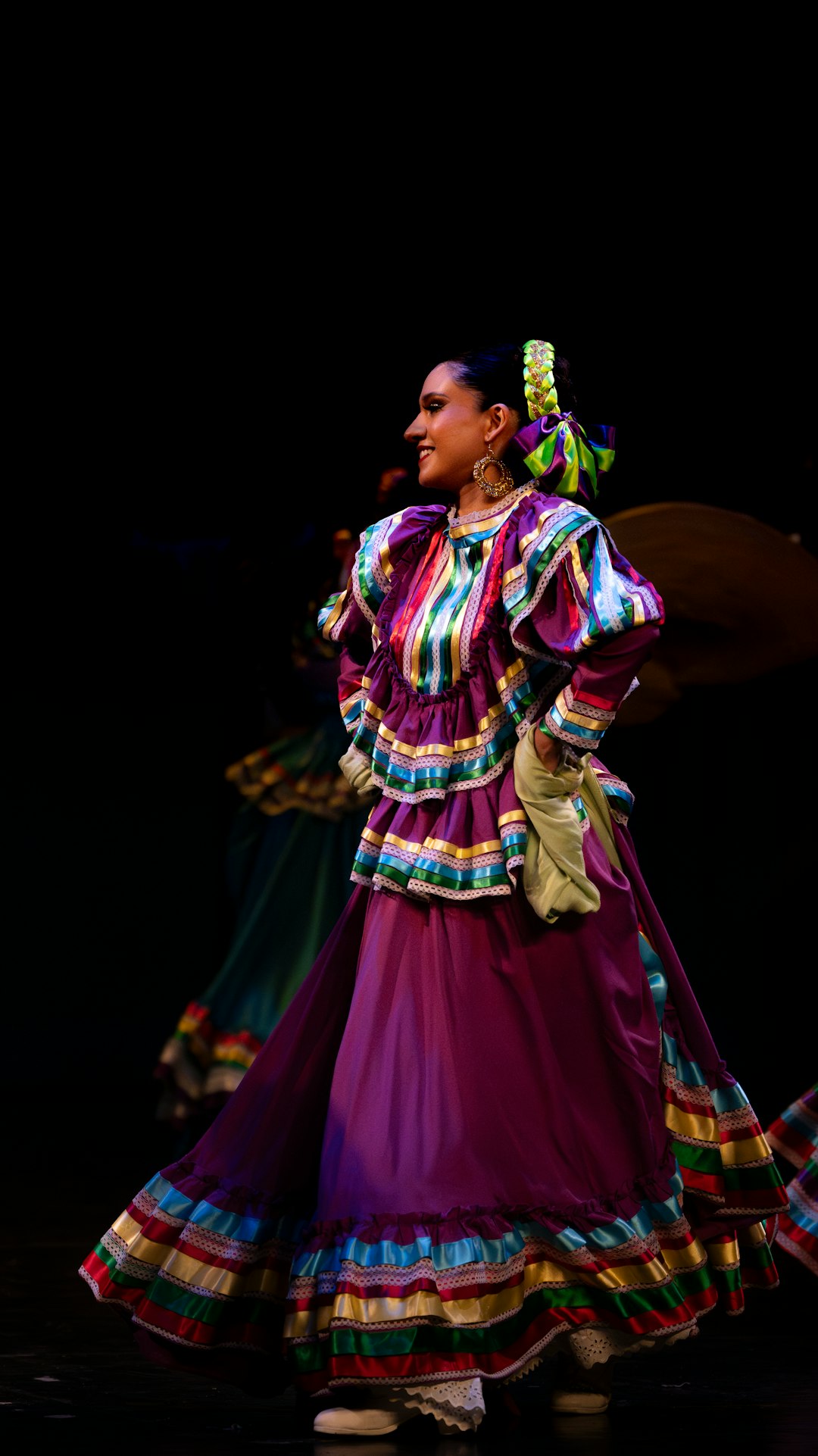
The first time I watched Marta dance, I forgot to breathe.
She wasn't doing anything technically remarkable—no impossible ganchos, no showy sentadas. But there was something in the way she moved that made the entire salon go quiet. Her partner followed her lead like he was reading her mind. The music seemed to bend around her body. I remember thinking: that's what I want. Not to be good. To be her.
So I did what every eager beginner does: I started copying. Her frame. Her walk. The way she leaned into bridges. I spent weeks trying to replicate her posture in the mirror, wondering why it looked so awkward on me but so effortless on her.
It took years to understand what nobody tells you in those first classes.
The truth is, every tango dancer starts as a copycat. We learn from teachers, from YouTube videos, from that one guy at the milonga whose technique seems flawless. We're supposed to copy—it's how we build the vocabulary. But at some point, you have to stop performing someone else's story and start telling your own.
That moment doesn't come from learning more steps. It comes from learning to listen.
---
The first thing you need to internalize is that tango isn't a choreographed sequence—it's a conversation. The music plays, and your body responds. Not your memory of what step comes next. Not your teacher's voice in your head saying "now cross, now side, now ocho."
I remember struggling through a cabeceo once, completely in my head about whether my weight was planted correctly, whether my heel lead was precise. My partner paused mid-dance and said, "You're trying so hard to do everything right that you've forgotten to dance." It stung. But it was the best thing anyone ever said to me.
Start smaller. Before you worry about your oso (bear) organcho, just learn to walk. Not the figure—the actual feeling of your weight transferring from heel to toe, the way your body responds to the bandoneón's pull. When you can walk with someone and genuinely feel the music moving through both of you, you've got more than any fancy step combination.
---
The connection in tango isn't metaphorical. It's physical.
I'm not talking about that awkward clinging beginners do, where both partners hold on like they'll drown without each other. I'm talking about that strange, almost telepathic moment when you can feel your partner's intention before they move. When you're dancing in close embrace and your ribcage becomes one structure, one breath.
The way to get there isn't more practice. It's more listening. Stop thinking about what you're going to do next and start paying attention to what your partner is doing now. Feel their weight shift. Feel their breath. Let your body respond.
A good partner will make you look like you've been dancing together for years. A great connection will make you forget you're two people.
---
Now here's what nobody warns you about: developing your style feels uncomfortable at first.
You'll spend months doing "the right thing"—technically correct, perfectly executed, completely boring. Then one night, at some random milonga, you'll try something slightly different. Maybe you'll hold your arm a beat longer. Maybe you'll add a little swagger to your caminata. Maybe you'll just breathe into the music instead of fighting it.
It'll feel wrong. You'll question everything.
Do it anyway.
That small moment of stepping outside the script is where your persona lives. Not in the steps—you can learn those from anyone. It's in the spaces between. The way you lean. The way you pause. The way you make your partner feel safe enough to take risks with you.
Your tango persona isn't something you build. It's something you uncover, one awkward experiment at a time.
---
Here's what I know now that I wish I'd known watching Marta that first night: she wasn't born with "it."
She spent years learning the steps, then more years forgetting them. She watched other dancers, took what served her, left the rest. She failed in front of audiences. She danced alone in her living room to terrible recordings until something finally clicked.
What looked like effortless authenticity was actually thousands of small choices nobody saw.
Your journey won't look like hers. But that's the point. We don't need another Marta. We need a you—someone who learned the rules so thoroughly that they can finally break them honestly.
The steps will take you somewhere interesting. Your style will take you home.