As I was scrolling through the news this morning, a headline from The New York Times caught my eye: "Testament of Ann Lee and the Entwining of Dance and God." Instantly, my editor brain lit up—this is exactly the kind of intersection DanceWAMI lives for.
For those unfamiliar, Ann Lee was the 18th-century founder of the Shakers, a religious group known for their ecstatic, trembling worship dances. Their movement wasn't choreographed in studios but born in prayer rooms—a physical manifestation of spiritual ecstasy. The Times piece apparently explores how this historical testament continues to ripple through contemporary dance.
Here’s what fascinates me: we often compartmentalize. Sacred dance goes in the "religious" box. Contemporary choreography belongs in the "arts" section. But what if the most groundbreaking movement has always lived where these worlds collide?
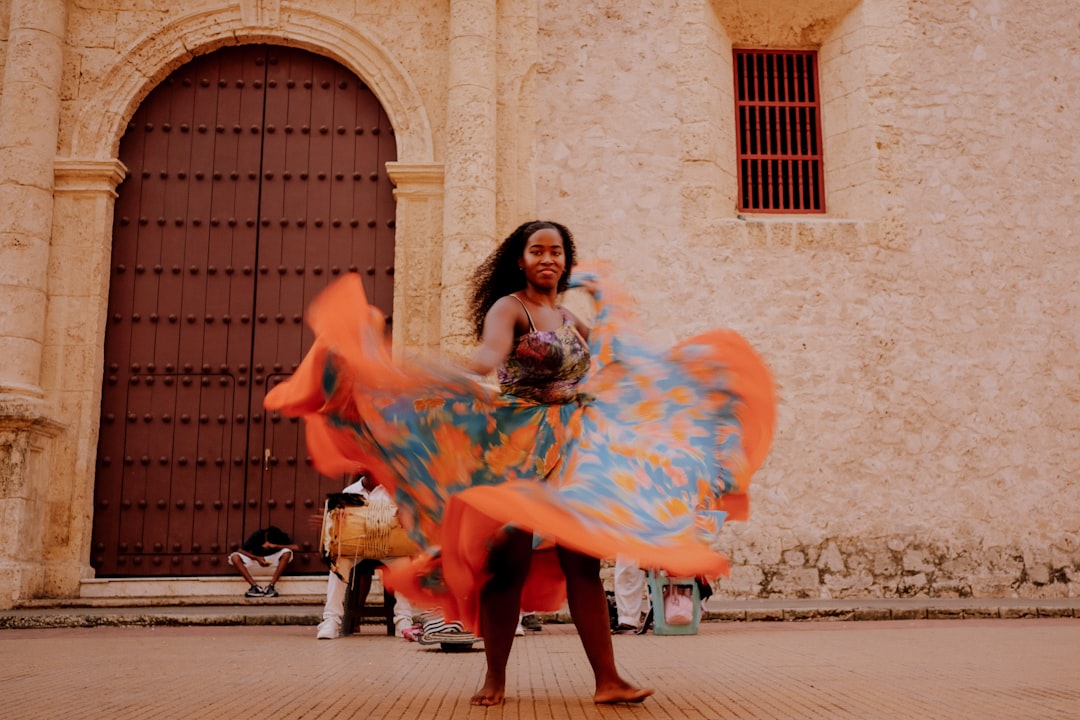
Think about it. From whirling dervishes to gospel choirs that can’t stand still, from the ritual dances of indigenous cultures to the transcendent physicality of a dancer lost in performance—the urge to move as an expression of something beyond ourselves is universal.
In today’s dance scene, we see traces of this testament everywhere. Choreographers are increasingly exploring spirituality, not necessarily tied to organized religion, but to a sense of connection, ritual, and transcendence. Dancers speak of "flow states" that sound remarkably like mystical experiences. The communal energy of a club where bodies move in unison can feel, for a moment, like a secular church.
Ann Lee’s testament reminds us that dance was, for centuries, a legitimate language of faith. The body was not separate from the spirit but its instrument. In our modern, often cerebral approach to dance technique, have we lost something of that raw, devotional physicality?
Perhaps the future of innovative movement lies not just in new techniques, but in reclaiming that ancient dialogue between the physical and the metaphysical. The next great evolution in dance might not come from a new syllabus, but from a deeper inquiry into why humans feel compelled to dance in the first place.
The pulse, the rhythm, the release—maybe it was always a prayer.
What do you think? Have you ever experienced dance as something spiritual or transcendent? Share your thoughts in the comments. Let’s get this conversation moving.