---
There's a moment every flamenco dancer remembers — the first time you slip into a real traje de flamenca. The weight of the fabric settling against your hips, the way the skirt whispers against your calves before it blooms outward on your first turn. It's not just getting dressed. It's becoming someone else, someone who carries centuries of Andalusian heat in her hems.
Flamenco attire isn't costume. It's identity.
If you've been dancing for a while, you already know this. But knowing it and knowing how to find it are two very different things. So let's dig in — not with another listicle about "accessories to consider," but with real talk about what actually matters when you're standing in front of a mirror trying to decide if this dress is the one.
Start With the Skirt (Yes, Really)
Here's the thing most beginners get wrong: they fall in love with the bodice first. The top is gorgeous, no question — all that structured elegance, the way it holds your posture and forces your chest open. But in flamenco, the skirt is everything.
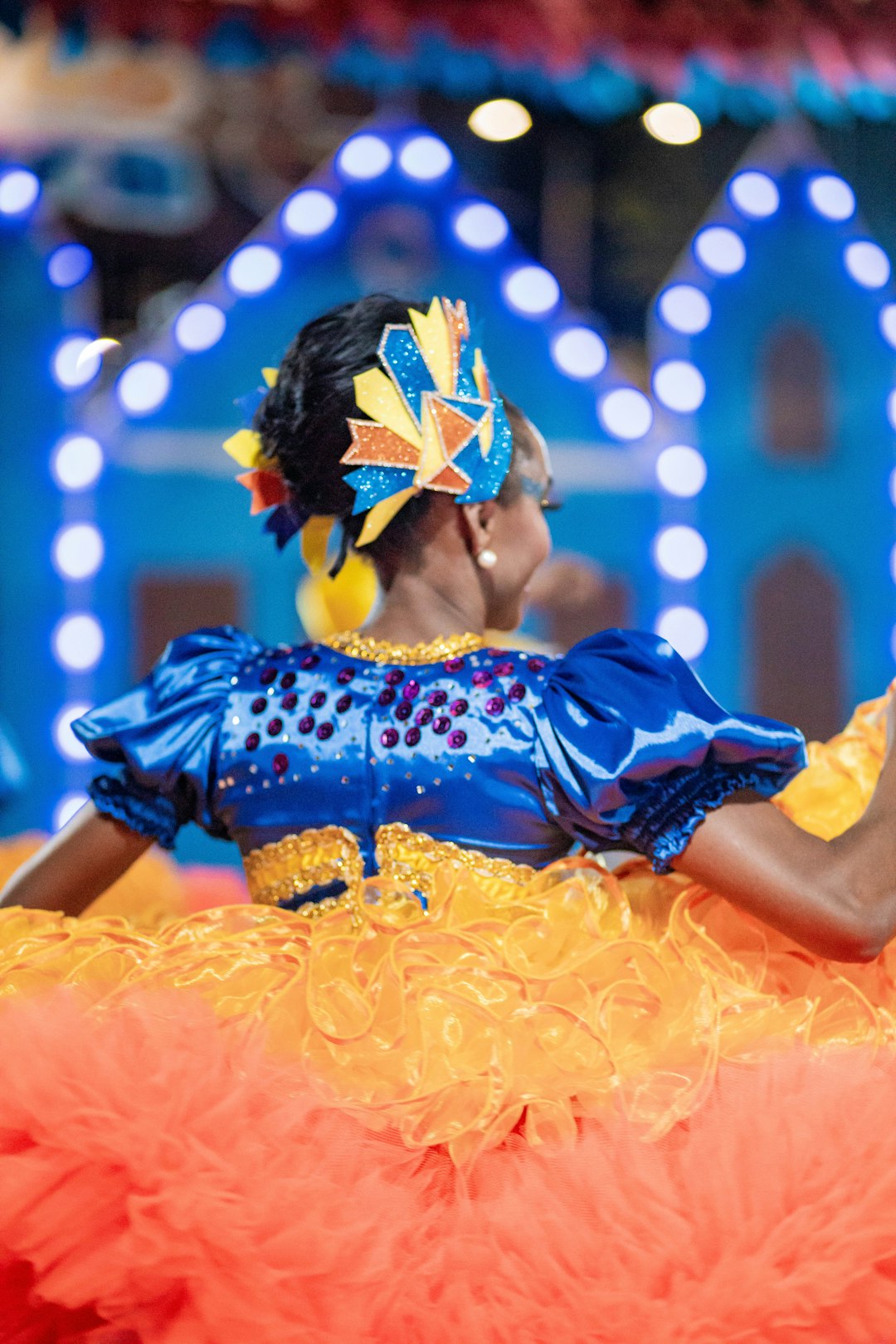
A flamenco skirt needs to speak. When you plant your feet and hit a remate, your skirt should snap, flare, and echo the percussive strike of your heel. When you draw out a slow, aching adagio, it should pool and gather like liquid fire. That means fabric choice matters enormously.
Natural fibers — cotton, silk, wool blends — give you that crisp, responsive movement. Polyester looks stunning under the lights but can feel like dancing inside a plastic bag. I know someone who swore by a heavy cotton twill for years until she tried a silk-blend number at a workshop in Seville, and she said it was like the difference between stomping through water and skating on it. Her words, not mine, but I believe them.
The volume is non-negotiable. Flamenco skirts use multiple layers — sometimes seven or eight — to create that signature "explosion" on fast turns. If you're buying off the rack and can't afford custom, look for at least three full layers underneath. The hem should brush the floor when you're in flat shoes but not so long you trip mid-zapateado. Aim for about an inch of clearance.
The Bodice: Structure Without Suffocation
Now, the top. Your bodice should fit like a second skin through the ribcage — close enough to support your breathing, loose enough that you can actually breathe. Sounds obvious, but you'd be shocked how many dancers endure performances feeling like they're wearing a corset from the Spanish Inquisition.
The shoulders and neckline define your silhouette. A traditional boat neck flatters almost everyone and gives you freedom to move your arms without tugging. If you're built for more dramatic lines, a straight-across or sweetheart neckline can give you that classic bullfighter-and-dancer contrast that photographs beautifully.
The key test: raise both arms overhead. If the bodice rides up and exposes your midriff in a way you didn't intend, it's not the right cut. Flamenco demands high arms — in marcajes, in sweeps, in the way we reach toward the audience during a征收. Your dress needs to move with you, not against you.
Color Is Not Just Aesthetic — It's Dramatic Strategy
Red is the obvious choice. It photographs like wildfire, it reads as "flamenco" even from the back row, and it has a psychological effect on audiences — studies on color perception consistently show that red increases perceived energy and intensity. Wearing red to a flamenco performance is like bringing a loaded weapon to a knife fight.
But here's the counterargument: everyone wears red.
If you want to be remembered, consider what your movement quality says about your color choice. A dancer who moves with slow, sustained power looks extraordinary in deep burgundy or wine — it suggests depth, smoldering restraint. A quick, percussive dancer might be swallowed by dark tones and actually benefits from bright yellow, cobalt blue, or even white with black trim. White flamenco is less common but devastating in the right context — I once watched a dancer perform a seguiriya in ivory and white lace, and the entire room went silent before she even started. She weaponized absence.
When in doubt, try the dress on. Don't think about what looks "traditional." Think about what makes you feel unstoppable.
The Mantón: Don't Underestimate the Shawl
The mantón de Manila is either the most ignored or most overused accessory in flamenco. Dancers either leave it in the bag or wave it around like a cheerleader's pom-pom on every single falseta.
The mantón is a vocabulary. It punctuates phrases. In the hands of a dancer who truly understands the shawl, it breathes — trailing, gathering, snapping open like a fan in summer. In the hands of someone who doesn't, it becomes a distraction, a cape trying too hard.
Learn the language first. Practice with a lightweight practice mantón before you invest in a silk one. The weight of a good silk mantón can be substantial, and the way it catches air depends on the density of the embroidery and the weave of the cloth. A heavier mantón gives you more dramatic snaps and pauses; a lighter one flows better in slower material.
When you buy, check the fringe — it should be hand-knotted, not machine-sewn. Machine fringe unravels after a few performances. Hand-knotted fringe from a proper shop in Seville or Madrid will outlast your dancing career.
The Rest of It: Shoes, Combs, Castanets
Flamenco shoes deserve their own article, honestly, but let's touch on them briefly because they affect your whole look. The character shoe — with its small block heel and sturdy sole — is standard. You want leather, you want a secure fit, and you want enough ankle support that you're not wobbling through your tap. Break them in before the performance, not during it.
Peinetas (the decorative hair combs) are more practical than they look. They keep your hair secure through the most aggressive head tilts and chest isolations flamenco demands. They also add height and drama to your silhouette. A simple black peineta with a red rose is classic for a reason.
Castanets — well, that's a commitment. If you're performing with them, they need to be an extension of your musicality, not a gimmick. Practice them constantly until they're as natural as your footsteps. If you're not performing with them, leave them off. An audience can tell when castanets are a afterthought.
The Final Truth
Here's what no one tells you in the guidebooks: the perfect flamenco dress doesn't exist. There's no single dress that does everything. What you build over your career is a collection of pieces that serve different moods, different stages, different stories you're trying to tell.
The red one for when you need raw power. The white one for when you want to strip everything back. The vintage black dress you inherited from your teacher that still fits better than anything you could buy today.
Find pieces that fit your body and your movement. Find colors that amplify your energy. Learn to use your accessories like punctuation — deliberately, with intention.
And when you step onto that stage and feel the skirt swell around you for the first time, you'll know. You won't need anyone to tell you. The dress will have already told you everything.