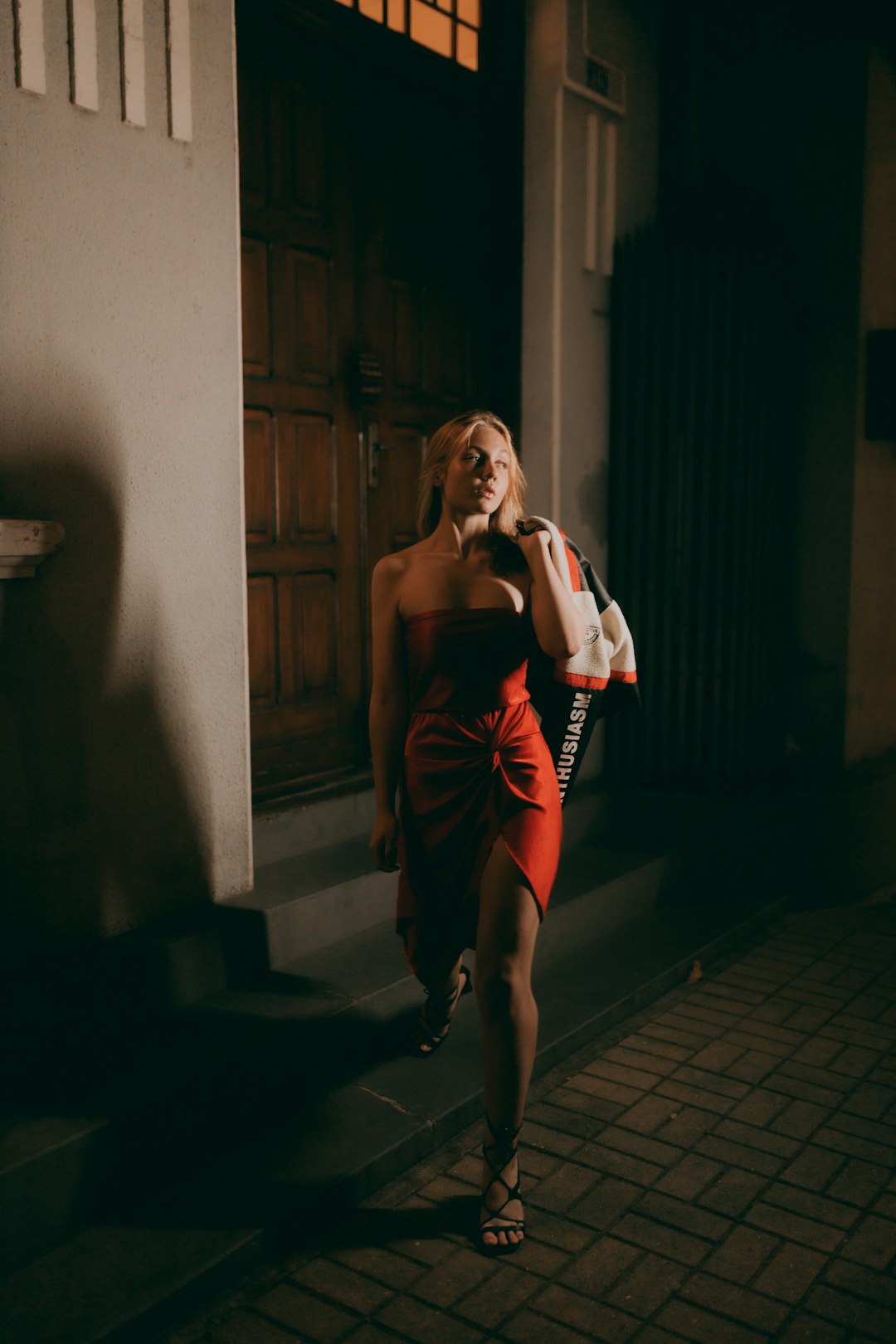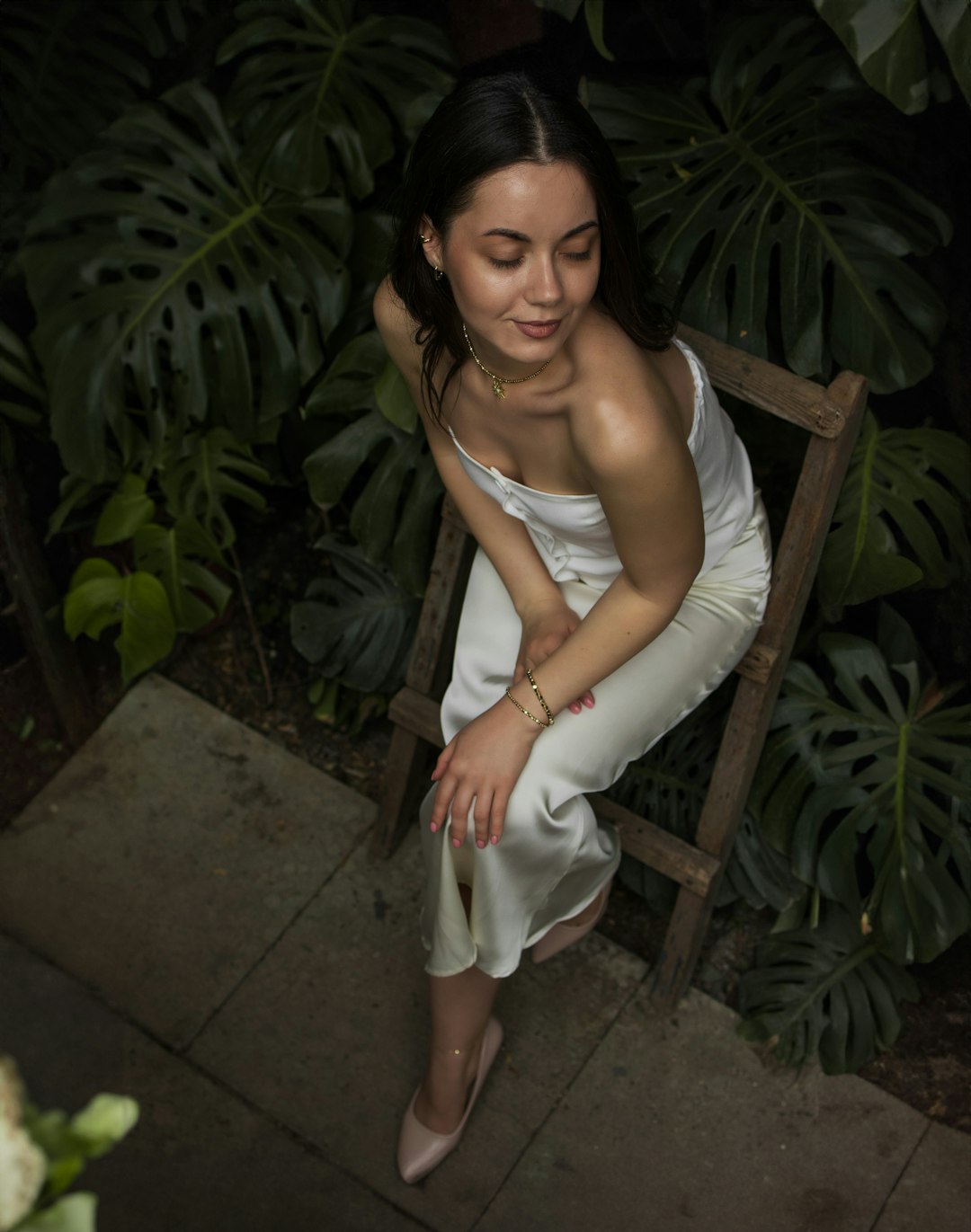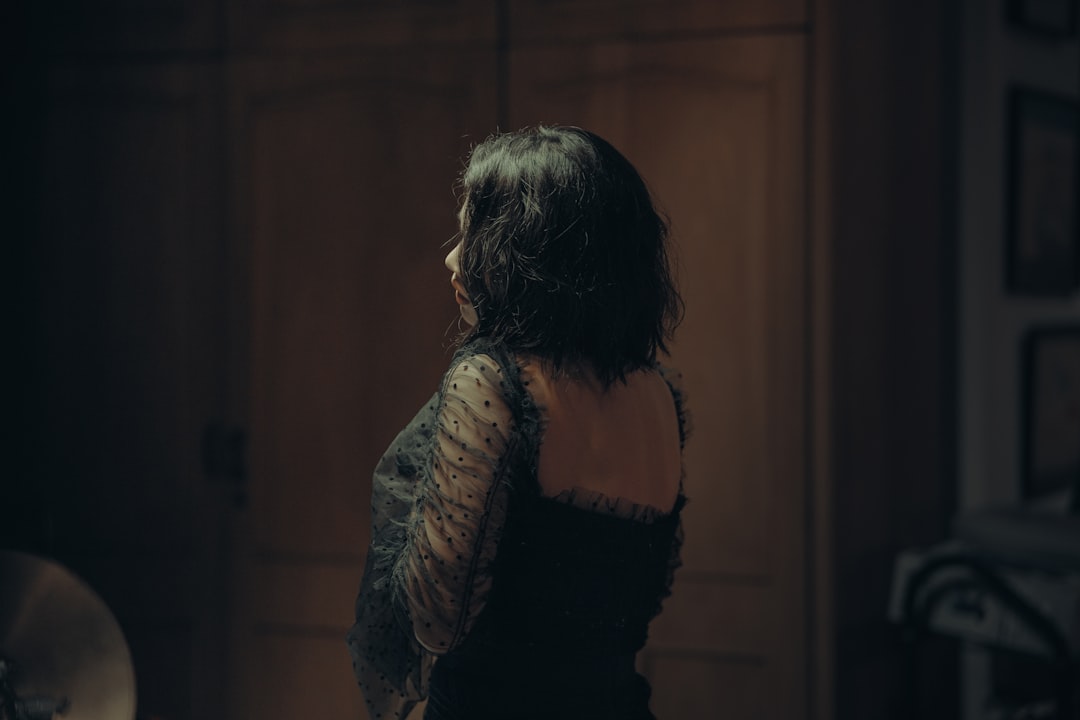
I showed up to my first salsa social in a flowy maxi dress I'd bought for a summer wedding. It was gorgeous—until I tried to spin. The fabric wrapped around my legs like a python mid-squeeze, and I stumbled out of my turn looking like a drunk flamingo rather than the graceful dancer I'd imagined.
That night taught me something: in Latin dance, your outfit isn't just fashion. It's equipment.
When Fabric Fights You (And Wins)
Watch any experienced Latin dancer and you'll notice something—their clothes move with them. That's not an accident. Professional dancers treat fabric like a dance partner. It needs to follow your lead, not drag you off balance.
Spandex and lycra blends aren't just comfortable; they're honest. They show your lines, yes, but they also let you feel where your body is in space. Stiff cotton or unbreathable polyester? They're the dance equivalent of someone stepping on your toes repeatedly and apologizing without actually fixing it.
I've seen dancers blame their technique for wobbly turns when the real culprit is a skirt that catches air like a parachute. Or pants that ride up every four beats, breaking their concentration mid-cross-body lead.
The Shoes That Changed Everything
My second breakthrough came courtesy of a pair of proper Latin heels. Before that, I'd been dancing in street heels—cute but slippery, with zero arch support and soles that gripped the floor at exactly the wrong moments.
Latin dance shoes are engineered differently. The suede soles give you controlled glide. The straps lock your foot in place during spins. And that heel? It's not just aesthetic—it shifts your weight forward, automatically putting you in the posture instructors spend months trying to teach.
Men, same deal. Those jazz sneakers you're wearing? They're muting your footwork. Latin shoes with their slight heel and flexible sole let you articulate every step, every weight transfer, every subtle hip movement.
Different Dances, Different Drama
Here's what nobody tells you: salsa, bachata, tango, and cha-cha each have their own unspoken dress code—not rules, exactly, but vibes that match the movement quality.
Salsa loves legs. Short skirts and dresses show off the quick footwork and hip action. Tango wants elegance—longer lines, dramatic slits that flash during ochos and ganchos. Bachata goes sensual; think form-fitting tops that reveal body waves and isolations. Cha-cha? Play it up. Ruffles that shake with your chasses, fringe that accents every lock step.
Wear a floor-length gown to salsa night and you'll look overdressed. Show up to a milonga in a micro-mini and you'll feel underdressed before the first cortina ends.
Fit: The Difference Between Looking Good and Dancing Good
I watched a competition once where a stunning dancer kept adjusting her top between routines. Beautiful outfit, terrible fit. Every time she extended her arms, the back pulled. Every dip risked a wardrobe malfunction.
You can't dance full-out when you're subconsciously holding back.
Tailored doesn't mean tight. It means your clothes hit your body where they should, move how you need, and stay put when you spin, dip, or kick. When your outfit fits right, you forget you're wearing it. That's the goal.
The Confidence Variable
My friend Maria swears her competition dress has crystals in just the right places to catch the light during her spins. She's convinced they make her turn cleaner. Scientifically? Nonsense. Psychologically? It works every time.
What you wear changes how you carry yourself. Step into a dance studio in your ratty gym clothes versus a fitted top that makes your shoulders look amazing—same body, different dancer. The outfit doesn't give you technique, but it removes the mental tax of feeling frumpy or exposed or worried about what's jiggling.
Your Move
Start with one upgrade, not a whole wardrobe overhaul. Maybe it's finally investing in proper shoes. Or retiring that one skirt you're always adjusting mid-song. Or adding a piece that makes you feel powerful the moment you put it on.
Because the perfect Latin dance outfit isn't about following a checklist. It's about wearing something that lets you stop thinking about what you're wearing and start dancing like you meant it.
The right outfit won't make you a better dancer. But the wrong one? It'll definitely hold you back.