The traje de flamenca is more than costume—it is heritage made visible. Born in the tablaos and cuadros of Andalusia, this distinctive dress evolved from 19th-century working-class women's attire into a symbol of Spanish cultural identity. Whether you're stepping into your first sevillanas class, preparing for a professional espectáculo, or dressing for the Feria de Abril in Seville, understanding the elements of authentic flamenco dress transforms how you move, sound, and command the stage.
This guide moves beyond surface advice to explore the craftsmanship, cultural significance, and practical decisions that separate a forgettable outfit from a transformative one.
1. The Dress: Anatomy of the Traje de Flamenca
Understanding the Silhouette
Traditional flamenco dresses fall into two categories: the standard traje de flamenca and the dramatic bata de cola (dress with train). Each serves different dances and demands different technique.
The Standard Traje
- Length: Floor-skimming hems allow for elegant zapateado (footwork) visibility while maintaining traditional lines. Mid-calf or knee-length variations suit faster alegrías or bulerías where mobility dominates.
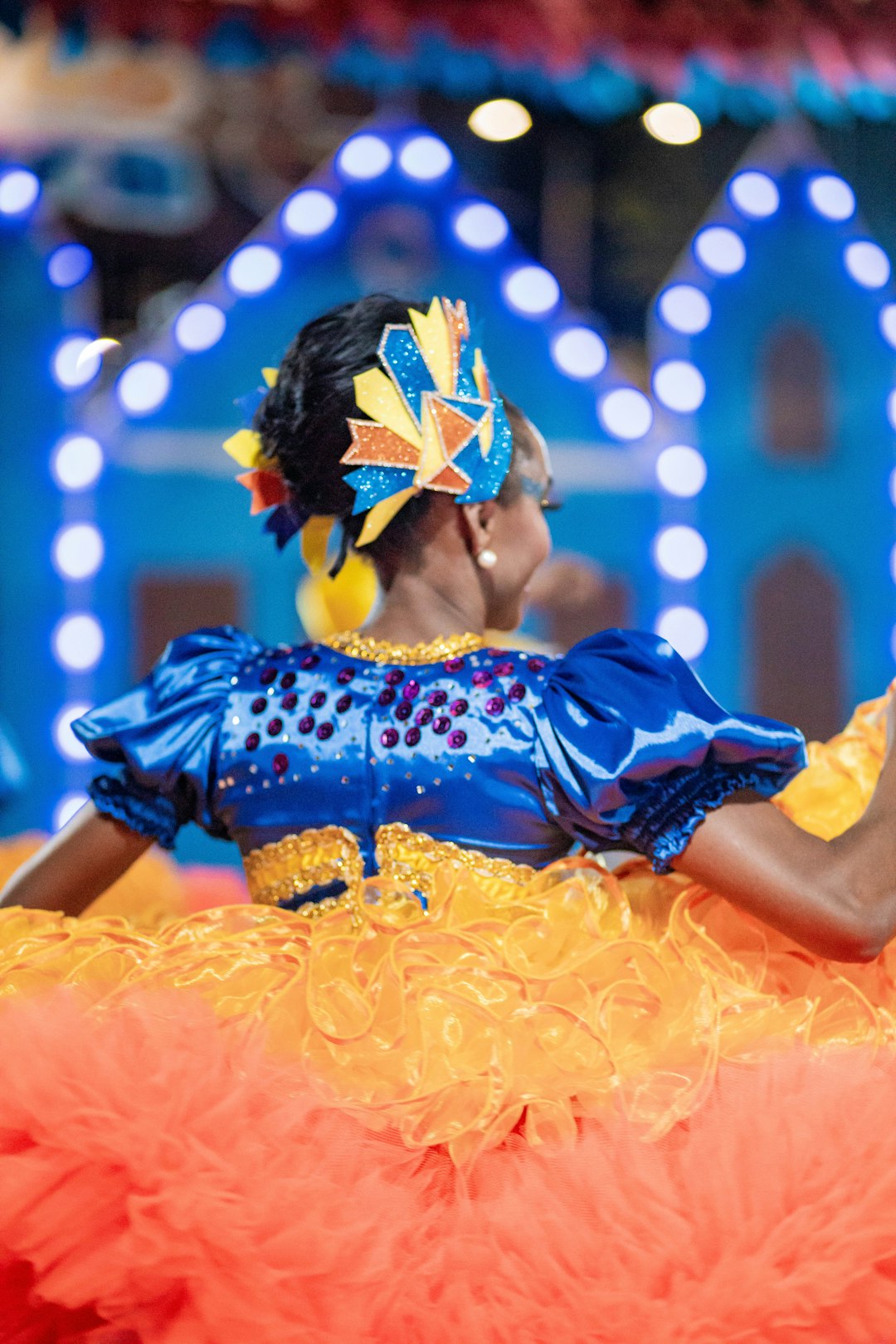
- The Volantes: These cascading ruffles aren't merely decorative—they create kinetic energy. Traditional placement begins at the knee or mid-thigh, multiplying toward the hem. More volantes mean more weight and more spectacular movement, but also more physical demand.
- The Corpiño: The fitted bodice should anchor securely without restricting the ribcage expansion essential for flamenco breathing technique.
The Bata de Cola Omitted from too many guides, this long-trained dress (extending 1.5–3 meters behind the dancer) requires specific skill. The train's weight and fabric manipulation become part of the choreography itself. Beginners should master standard dresses before attempting bata de cola work; professionals select trains based on palo (flamenco style)—heavier silks for slow, dramatic soleá, lighter synthetics for rapid tangos.
Fabric, Color, and Pattern
| Element | Traditional | Contemporary | Best For |
|---|---|---|---|
| Patterns | Lunares (polka dots) in red, white, or black on solid grounds | Florals, geometrics, ombré effects, solids | Lunares remain standard for formal occasions; contemporary designs suit fusion work or personal expression |
| Fabrics | Cotton popelín, silk, high-quality synthetics | Technical dance fabrics with stretch | Cotton breathes for outdoor ferias; synthetics travel better and resist wrinkling |
| Weight | Medium-to-heavy (180–250 gsm) | Variable | Heavier fabrics hold volante structure; lighter weights suit beginner practice wear |
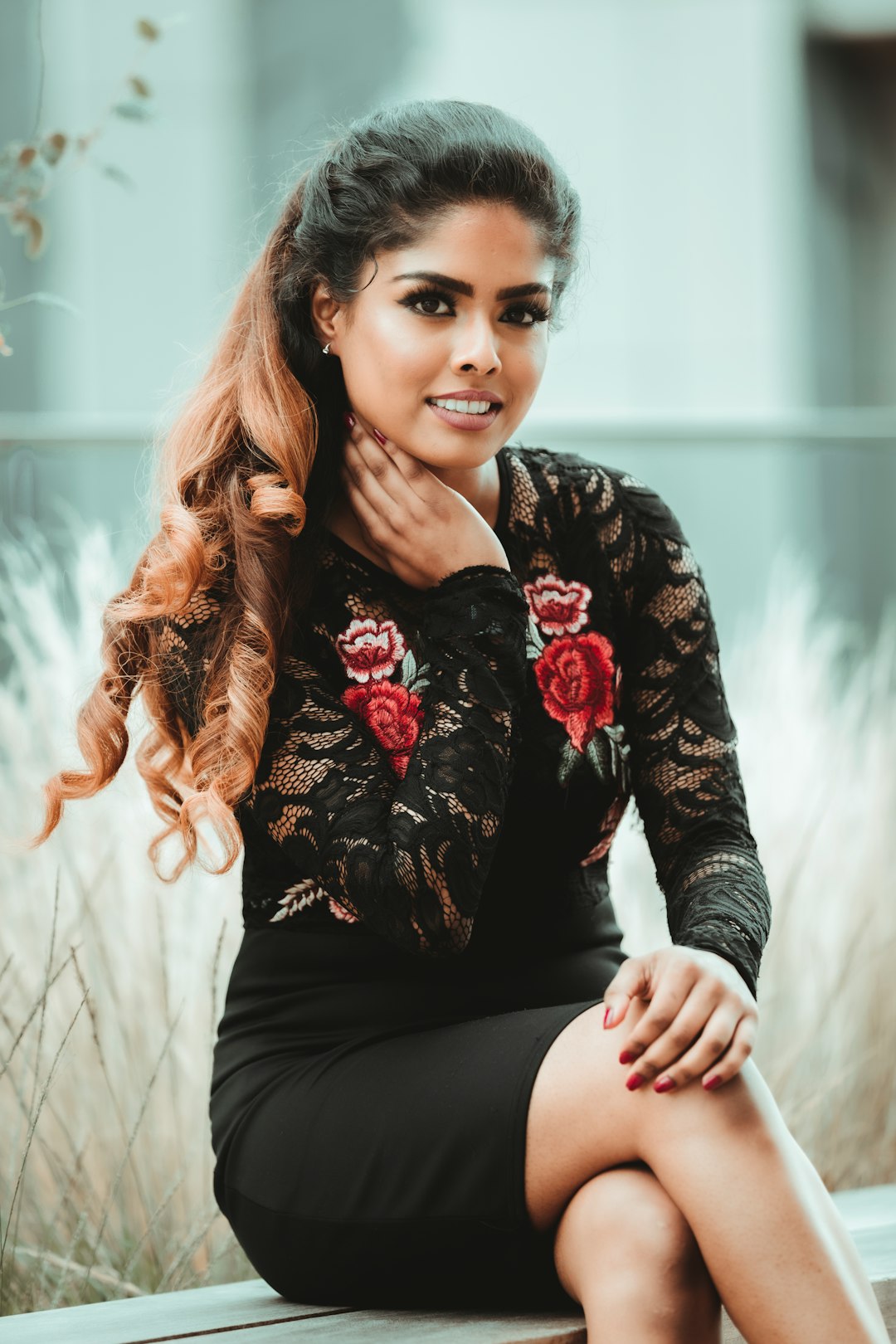
Color carries meaning: Red signals passion and duende (soulful intensity); black conveys solemnity in seguiriya or martinete; white dominates the Feria de Abril's opening day. Regional variations persist—Seville favors exuberant lunares and ruffle abundance, while Jerez traditions often embrace simpler, more austere lines.
2. The Shoes: Engineering Your Sound
Flamenco shoes (zapatos de flamenco) are percussion instruments you wear. Their construction directly affects your zapateado quality and physical longevity in the dance.
Professional vs. Student Construction
Student Shoes ($80–$150)
- Leather or synthetic uppers
- Standardized heel heights (5cm)
- Basic nail/tap configuration
- Suitable for 1–2 years of beginner study
Professional Shoes ($200–$400+)
- Hand-selected leather that molds to the foot
- Custom heel heights (5cm–8cm) and shapes
- Precision-placed nails and taps for tonal variation
- Resoleable construction extending 5–10 years
Critical Specifications
Heel Shape
- Cuban (Cubano): Curved, wider base—stable for beginners, traditional for sevillanas
- Carrete: Straight, narrow—creates sharper sound, preferred by professionals for escobilla (rapid footwork sequences)
Sole Selection | Surface | Recommended Sole | Why | |---------|------------------|-----| | Wood/marley studio floors | Leather | Controlled slide, authentic sound | | Concrete/tile outdoor stages | Suede or split-sole | Prevents slipping,