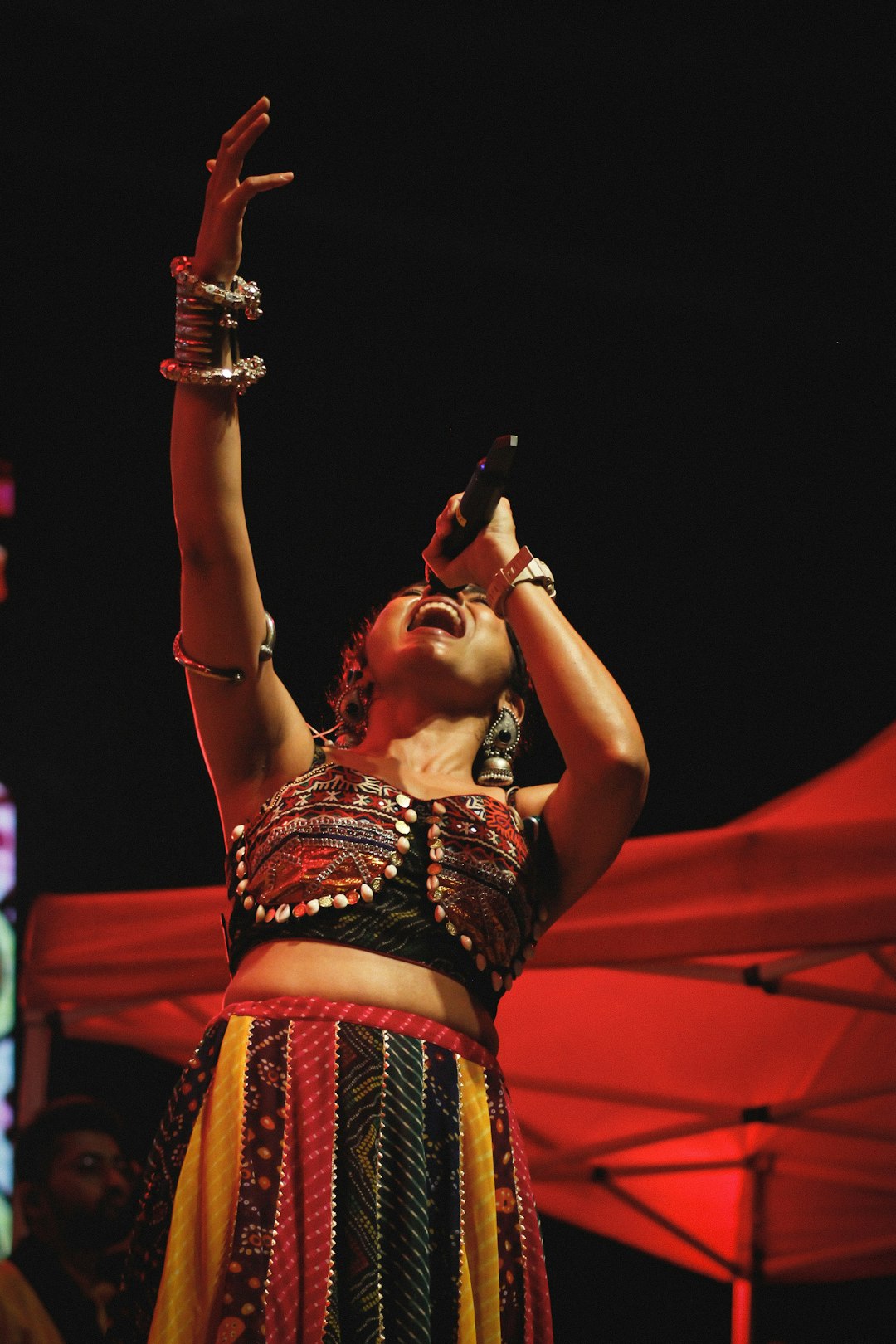
The floor trembles beneath your feet. A singer's quejío cuts through the air, raw and ancient. Your arms arc overhead in braceo as your heels strike the wood in a zapateado that speaks of centuries—Romani, Moorish, Andalusian blood beating in 12-count time. This is Flamenco: not merely dance, but cante, toque, baile, and the ineffable duende that Lorca described as "the mysterious power everyone feels but no philosopher can explain."
Whether you lace up your first pair of zapatos de baile this week or seek to refine your aire after years of study, this guide offers concrete milestones, cultural context, and practical pathways through Flamenco's three pillars: technique, musicality, and cultural understanding. Progress demands patience—most dancers spend two to three years establishing fundamentals—but the journey rewards those who respect its depth.
Beginner Level: Building the Foundation
Flamenco technique rests on precise physical architecture. Before expression comes structure; before speed, clarity.
Essential Positions and Movements
Footwork (Zapateado) Master the three strikes that generate all percussive vocabulary:
- Planta: ball of the foot, producing warm, resonant tones
- Tacón: heel strike, sharp and declarative
- Punta: toe strike, delicate and precise
Practice these in isolation, then in combination: planta-tacón-planta, tacón-tacón-punta. Begin with 20 minutes daily, prioritizing clean sound over speed. Aim for 80 beats per minute before accelerating.
Arm Work (Braceo) The arms frame your expression. Keep elbows lifted, wrists supple, fingers energized but not rigid. The basic arc—outward and upward, then circling inward—should feel continuous, like water moving around stone.
Body Alignment Torso lifted, weight slightly forward, knees soft and ready. This "ready" posture (apoyo) distinguishes Flamenco from ballet's verticality or jazz's groundedness.
Your First Palo: Tangos or Alegrías
Begin with tangos (4-count rhythm, accessible and playful) or alegrías (12-count, bright and celebratory). These palos (rhythmic forms) build compás—the internal timekeeping that separates Flamenco from choreography set to music.
Self-Assessment: Ready for Intermediate?
- Maintain compás in tangos without musical accompaniment for two complete letras (verses)
- Execute basic zapateado patterns at 80 BPM with consistent, audible clarity
- Demonstrate proper braceo through a complete llamada (entrance/call)
Intermediate Level: Deepening the Conversation
With fundamentals automatic, you enter Flamenco's grammar—how steps combine into sentences, how silence speaks as loudly as sound.
Expanding Rhythmic Vocabulary
12-Count Structures Master the compás of soleá, bulerías, and alegrías: 1-2-3, 4-5-6, 7-8-9, 10-11-12, with accents on 3, 6, 8, 10, 12. Practice counting aloud while walking, cooking, waiting—internalize it until it pulses unconsciously.
Counter-Rhythms and Syncopation Experiment with contra-tiempo: placing accents where they aren't expected, creating tension against the guitarist's rasgueado.
Technical Expansion
Turns (Vueltas)
- Vuelta de pecho: chest-level turn, controlled and centered
- Vuelta quebrada: "broken" turn with rhythmic interruption
- Vuelta de tacón: heel-focused, percussive rotation
Practice on both sides. Flamenco demands bilateral fluency.
Hand Movement (Floreo) Refine finger articulation: thumb initiates, fingers follow in waves. Avoid the "fluttering" trap—floreo has intention, direction, intención.
Developing Aire
Aire—your personal interpretive quality—emerges here. Study different maestros: the sharp precision of Antonio El Pipa, the liquid elegance of Eva Yerbabuena, the raw power of Farruquito. Imitate deliberately, then synthesize. Your aire is not invented; it is discovered through deep acquaintance with tradition.
Self-Assessment: Ready for Advanced?
- Im