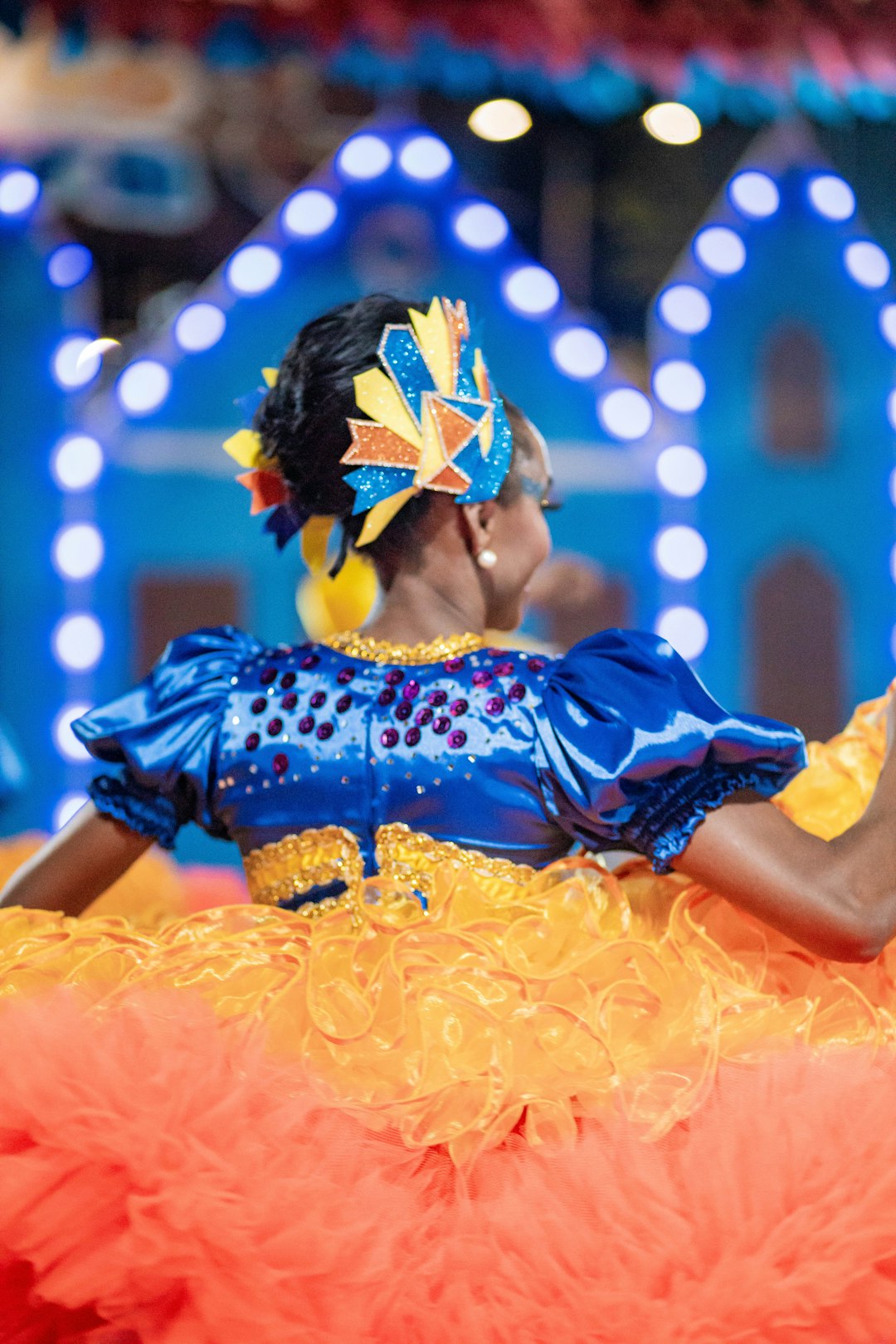
Flamenco is a passionate and expressive dance form that originated in Spain, known for its intricate footwork, powerful movements, and emotional intensity. But here's what no one tells you about the intermediate years: this is where most dancers quit. Not from injury. Not from lack of talent. From the crushing belief that mastery means eliminating struggle.
The intermediate plateau is real. You've moved past beginner classes where every week brought visible progress. You know your palos (rhythmic forms) and can execute a decent llamada (entrance call). Yet suddenly, progress feels invisible. Complex footwork patterns tangle in your feet. The emotion that once flowed freely now feels forced. You watch professionals and wonder: How do they make it look inevitable?
The answer lies not in more technique, but in a fundamental shift in how you relate to the dance itself—the Flamenco mindset.
What Makes the Flamenco Mindset Distinctively Flamenco?
Plenty of dance forms ask you to "be present" and "connect with emotion." What separates the Flamenco mindset is its foundation in duende—Federico García Lorca's term for the mysterious power of irrational creativity. Unlike technical training that prioritizes precision above all, duende embraces the raw, the vulnerable, and even the momentary lapse as potential gateways to authentic expression.
This mindset is characterized by four interconnected qualities:
Deep compás embodiment. Not merely "listening to music," but internalizing the 12-count cycle of soleá or the 4-count bulerías until rhythm becomes as unconscious as breathing. You don't follow the music; you inhabit it.
Emotional quejío. The quejío—that characteristic lament in Flamenco song—isn't sadness for display. It's the sound of struggle made audible. The mindset asks you to locate your own quejío, whatever you're wrestling with, and let it animate your movement.
Radical presence. Flamenco is now or never. A remate (rhythmic ending) lands or it doesn't. The mindset demands full investment in this single moment, not preservation for the next.
Struggle as structure. Most critically, the Flamenco mindset treats difficulty not as obstacle but as compás itself—the rhythmic framework within which expression happens.
The Four Traps of the Intermediate Dancer—and How to Escape Them
Trap 1: Footwork Overwhelm
The problem: Complex zapateado patterns accumulate faster than your nervous system can process. You freeze mid-phrase, then rush to catch up, throwing off your timing entirely.
The mindset shift: Slow the compás until it feels almost insultingly easy. Work with soleá's 12-count pattern at half speed, marking only accented beats (beats 3, 6, 8, 10, 12) with your feet. Let the structure become bodily memory before adding ornamentation. Dancer Antonio El Pipa describes spending six months on a single escobilla sequence: "I thought I was failing. I was actually becoming."
Trap 2: Confidence Collapse
The problem: You compare your current self to your beginner self—where progress was obvious—and to professionals, where the gap seems unbridgeable. You stop volunteering for fin de fiesta opportunities. You apologize before you dance.
The mindset shift: Record your llamada and compare it against professional recordings—not to judge, but to study. Note where your remate lacks the characteristic breath pause that signals authority. That pause is learnable. More importantly, notice where your version carries something theirs doesn't. María Pagés built her career on "mistakes" she committed to fully until they became innovations.
Trap 3: Emotional Disconnection
The problem: You execute the steps correctly but feel hollow. The alegrías looks cheerful; nothing in your body feels joy. You're dancing about Flamenco rather than from within it.
The mindset shift: Before moving, listen to the cante alone. Identify the quejío in the vocalist's voice—where does it crack, where does it yearn? Mirror that quality in your upper body while maintaining compás in your feet. The technical term is contratiempo: the tension between what your feet do and what your arms express. That tension is the emotion.
Trap 4: Complexity Anxiety
The problem: Flamenco's layered elements—song, guitar, dance, jaleo (encouragement shouts)—feel impossibly dense