That Time the Floor Taught Me a Lesson
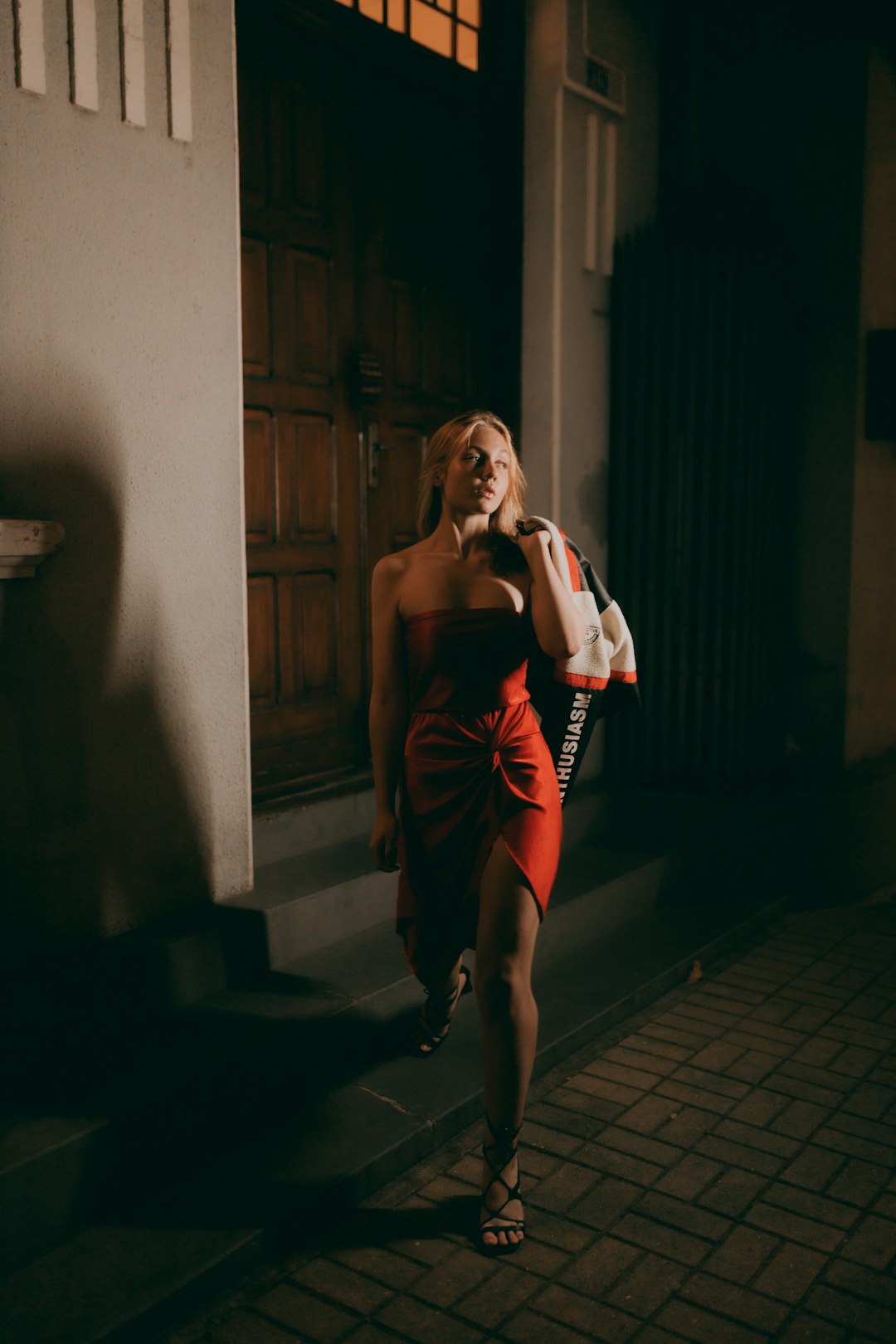
The mirror lied. I stood there in my brand-new salsa dress—red, sequined, dangerously short—and thought, "I've got this." Twenty minutes later, I was gripping the dance studio barre like it owed me money, my stiletto heels sliding across the polished wood with every basic step. Across the room, a woman in a skirt that weighed more than my gym bag was stamping her feet so hard the walls shook. She didn't look "cute." She looked unstoppable.
That's when it hit me. Flamenco and salsa don't just want different moves from your body. They demand completely different relationships with the floor, the air, and yes—your clothes.
Flamenco Dresses the Earth, Not Just You
Flamenco doesn't whisper. It argues with the ground. Every golpe, every stamp, every zapateado is a conversation between your heel and the floorboards. Wear the wrong shoes, and you're just a tourist clapping along to music you don't understand.
I learned this the hard way during my first flamenco workshop. I showed up in the same kitten heels I wore to office parties. The instructor, a tiny woman named Carmen who could probably crack walnuts with her toe taps, looked at me and sighed. "You think you're here to look pretty?" she asked. "You're here to make noise."
Real flamenco shoes aren't delicate. They're armor. Thick wooden heels, nails in the soles, leather that starts stiff and molds to your feet like a second skeleton. They weigh more than you'd expect because they have to. When Carmen demonstrated a step, her heels hit the floor like gunshots. My office shoes made a pathetic tap-tap-tap that sounded like a nervous woodpecker.
And the bata de cola—that dramatic dress with the train? It isn't costume jewelry. It's a prop you wear. The first time I tried dancing with one, I tripped over it twice. Then I learned to use it as an extension of my arms, snapping it into the air during a turn, letting it crack like a whip. You don't twirl in a bata de cola. You command it.
Salsa Is a Conversation in Motion
Salsa asks something else entirely. Where flamenco roots you to the earth like an oak tree, salsa wants you spinning like a leaf in a windstorm. That changes everything about what you put on your body.
My sequined dress? Actually not terrible for salsa. The problem was my shoes. Those four-inch stilettos looked killer in the shoe store mirror. On the dance floor, they were an ankle injury waiting to happen. Salsa happens fast. Quick-quick-slow, spin, dip, recover. You need shoes that won't stick to the floor but won't send you flying into the DJ booth either.
Cuban heels saved my social dancing life. They're lower than you'd think—usually two to two-and-a-half inches. The heel is wider, too, giving you a stable platform for those lightning-fast turns. The suede soles let you glide when you need to glide and grip when you need to stop. I danced three hours straight in my first pair without thinking about my feet once. That's the real test.
Flow matters more than flash in salsa. A dress that twirls with you creates shapes in the air that your body alone can't make. I've seen women in simple black dresses outshine the glitter crowd because their fabric moved like water while everyone else looked like they were wrestling with their own outfits. My rule now? If I can't spin three times without adjusting something, that dress stays home.
The One Thing They Share
Here's what surprised me most. After two years of treating flamenco and salsa like they were from different planets, I realized both dances punish the same mistake: dressing for the mirror instead of the music.
In flamenco, you might wear a black dress so plain it looks like mourning clothes. But under the stage lights, with your arms raised and your bata de cola snapping behind you, that simplicity becomes devastatingly dramatic. In salsa, you might wear neon colors that look garish in daylight but transform under the spinning disco ball into pure energy.
The best outfit I ever wore to a salsa social was actually a flamenco skirt—shortened, with the train removed—paired with salsa heels. It had weight. It moved differently than the usual chiffon, creating these sharp, angular shapes when I stopped and flowing like liquid when I turned. A guy stopped mid-dance just to watch. "What are you wearing?" he asked. "Something that works," I told him.
Throw Out the Rulebook (But Keep the Shoes)
If you're building a dance wardrobe from scratch, start with your feet. Everything else is negotiable. Flamenco shoes are built for war with the floor. Salsa shoes are built for flight. Everything above the ankle serves those two very different masters.
I still have that red sequined dress. It hangs in my closet, a reminder that looking ready and being ready are two different games. These days, when I pack for a night of dancing, I don't ask myself, "Do I look good?" I ask, "Can I survive three hours in this?" The funny thing is, when you dress for survival, you end up looking better than you ever planned.
The floor doesn't care about your label or your price tag. It cares whether you showed up prepared to have a real conversation with the music. So wear the heavy shoes. Wear the twirly skirt. Dress like you mean it, and the mirror will take care of itself.