---
For years, Mira used to keep a duffel bag in her car. Inside: the full ensemble for whatever regional performance was coming up that weekend. She'd change in festival parking lots, in church basements, in the bathroom of whatever community center was hosting. The costume was sacred. The street clothes were something else entirely.
Then she started wearing parts of her folk dance wardrobe to the grocery store.
"I didn't plan it," she told me recently. "One day I just didn't want to dig through a bag after rehearsal. So I walked into Trader Joe's in my embroidered vest and wool leggings. And someone stopped me to ask where I got it." She laughed. "I told them I made it. That was true."
Mira's not alone. Across the country, folk dancers are quietly dismantling the wall between performance wear and everyday dressing — and the results are more interesting than anything you'd find on a runway.
What Gets Reimagined First
The peasant skirt was the entry point for a generation of dancers. Floor-length, heavy cotton, stiff when dry and heavy when damp — it was designed for ceremony and movement, not for the particular indignities of public transit or a Tuesday in October. Somewhere along the way, a dancer with a sewing machine decided that volume was optional.
What emerged looked nothing like costume, and nothing like fast fashion either. Lighter fabrics. Shorter hemlines. Silhouettes that moved the same way the originals did but without the architecture. You could wear one to class and not feel like you were in a costume, and you could wear one to a farmer's market and not feel like you were dressed up.
This is the shift that matters most: when folk garments stop being costume and start being clothes that carry meaning.
The Embroidered Vest Problem
Every dancer who's ever inherited a chest piece from a grandparent or found one at an estate sale faces the same internal negotiation. Do you wear it? When? What does it mean to wear a heavily embroidered regional symbol to a coffee shop?
Most of them, it turns out, just wear it. The generation currently in their twenties and thirties grew up watching their parents and grandparents perform in full regalia at holidays and festivals. That imagery is load-bearing — it means something to them, often something tender. So when they reach for a piece to wear casually, they're reaching for heritage as much as fashion.
The result is a deliberate maximalism that younger designers have picked up on. Contemporary folk-adjacent brands are leaning into the visible pattern, the heavy stitch, the regional motif worn loud and unapologetic. Not as costume. As identity.
The Sustainability Angle Nobody Talks About
Here's the part that doesn't get written about enough: folk dance clothing, because it's built for movement and durability, tends to outlast everything else in a dancer's closet by a decade.
The heavy wool coats. The linen overdresses that have been washed forty times and look better for it. The leather footwear that molds to your foot. These are garments made to survive, which means they also survive trends. A dancer's wardrobe, handed down properly, is genuinely sustainable in a way that a capsule wardrobe posturing about "conscious consumption" will never be.
Natural dyes fade interestingly. Organic cotton softens. Hand-stitched details hold up long past the point where fast fashion would have gone to textile waste. This isn't a trend piece. It's just good clothes that were made right.
The Accessories Situation
This is where folk and street actually collide — and it's been happening longer than anyone writing trend pieces will admit.
The wide-brimmed hat that anchors a full costume also looks completely at home on a city sidewalk. The handwoven belt that adjusts a skirt to three different settings works on jeans. The beaded collar that catches light under stage fixtures does the same thing at a dive bar.
Dancers figured this out organically, the way they figure most things out: by carrying what they have and noticing what happens when they wear it outside the intended context. The answer, consistently, is that it works.
What This Actually Looks Like
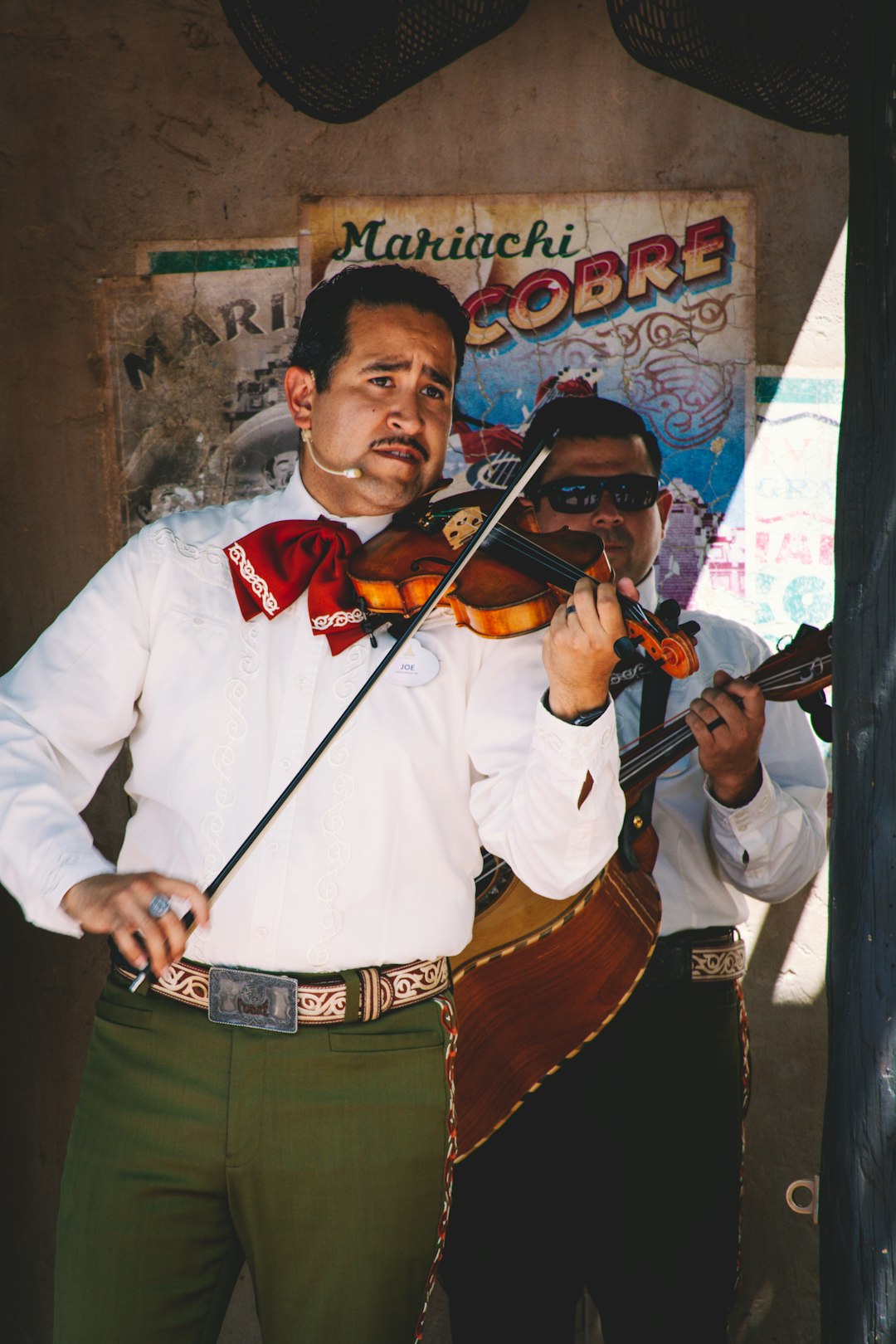
Walk through any neighborhood with a strong folk dance community — and you'll start seeing it once you know to look for it. The person at the bus stop in the heavily embroidered jacket. The woman at the record store in hand-embroidered wool socks and leather sandals. The rehearsal bag that's started doubling as a daily carry.
What they've figured out is something designers keep trying to invent from scratch: garments that have story built into them. That carry texture and meaning without a brand card explaining the reference. That look like nothing else on the block because they are nothing else on the block.
The costume bag is still in Mira's car. "I keep it there just in case," she says. "But honestly? Most days now, the outfit I perform in is the outfit I left the house in."
That's not a trend. That's just a dancer who stopped separating the two lives she was living.