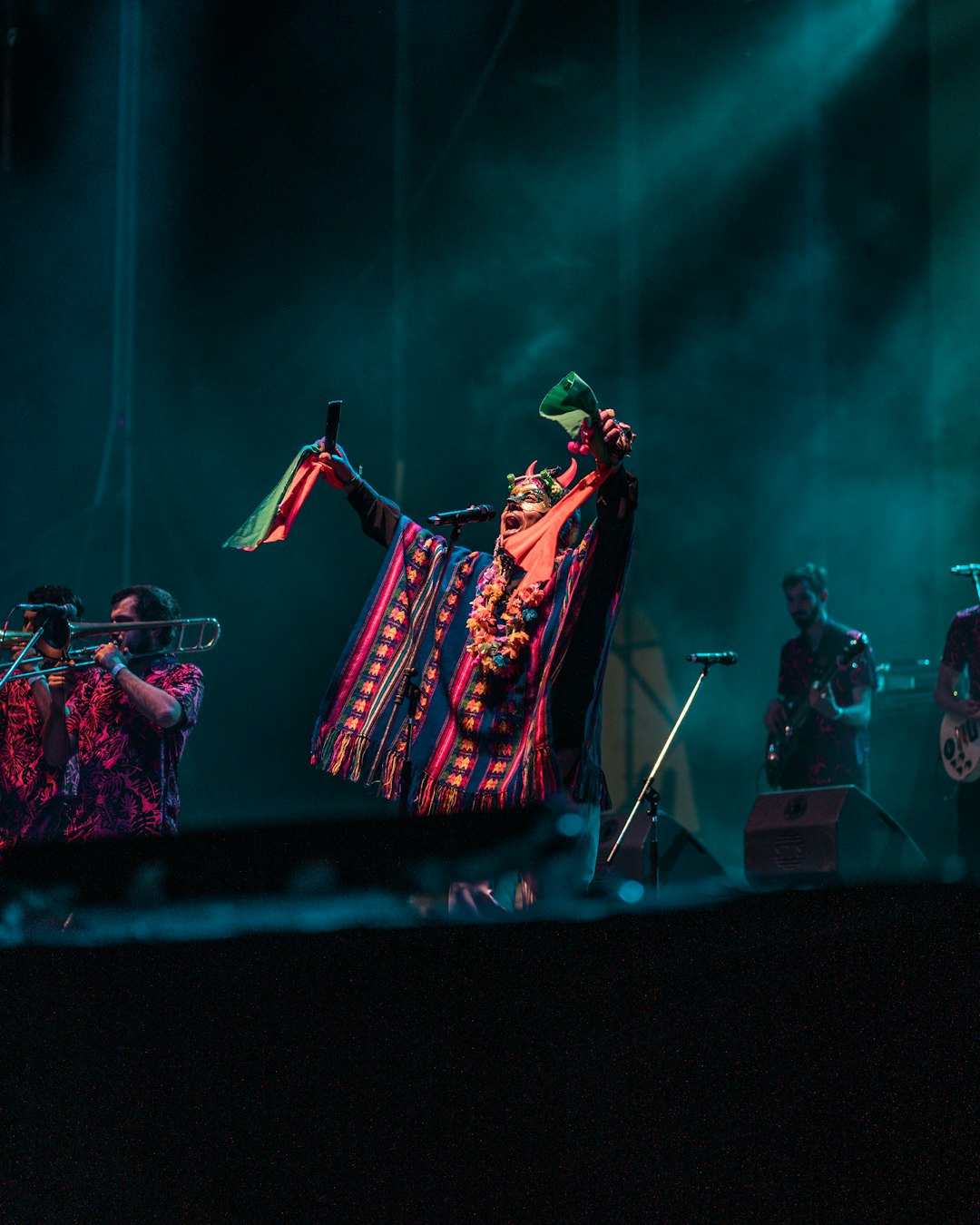
In a converted warehouse in Helsinki, a former accountant from Seoul leads a 70-year-old Argentine expat into a molinete. Neither speaks the other's language. Neither needs to. The weighted pause before the cross, the conversation of breath between partners—these are the grammar of a dialect understood in every major city on Earth.
Where Tango Lives Now
The global tango community did not emerge by accident. After the 1983 Broadway production of Tango Argentino reignited international interest, dancers began carrying the form beyond Argentina's borders with missionary zeal. Today, Buenos Aires remains the gravitational center—where milongas begin at midnight and end at dawn, where elderly milongueros who danced through dictatorships still guard the codigos of the floor. But the dance has mutated and thrived in translation.
In Berlin, afternoon tea dances draw tech workers and pensioners to repurposed ballrooms. Istanbul hosts beach practicas where dancers trade shoes for sand. Tokyo's community numbers in the tens of thousands, with dedicated floors where silence is strictly enforced and the embrace is studied like engineering. Each location develops its own accent: the direct, muscular style of Rotterdam; the playful, theatrical flourishes of San Francisco; the reverent traditionalism of Montevideo.
Finding entry points requires only minimal detective work. Most cities maintain active Facebook groups or Discord servers where practicas—informal gatherings for practice, not performance—are announced days in advance. Costs vary dramatically: a donation-based practica in Mexico City might request 50 pesos, while a weekend workshop in London can exceed £200.
The Social Architecture of the Floor
The community's reputation for warmth is earned, but the mechanics deserve examination. Tango is fundamentally social in ways that distinguish it from performance dance. You do not arrive with a partner. You do not leave with one. The cabeceo—the subtle nod across the room that invites a dance—creates a consent-based economy where either party can decline without explanation or awkwardness.
This system produces unexpected democracies. A hospital surgeon dances with a street artist. A teenager navigates the same floor as a retiree. In many cities, the local mayor and the café dishwasher share the same corner on Thursday nights. The dance temporarily dissolves hierarchies that persist elsewhere; for three minutes, your professional credentials matter less than your ability to listen through your palms.
Yet the community is not without its tensions. Debates about tradition versus innovation flare regularly—whether electronic neotango belongs in the same spaces as Di Sarli recordings, whether stage-show acrobatics corrupt the social dance. Established milongas can feel impenetrable to newcomers, with intricate codes of dress and behavior that take months to decode. The learning curve is genuinely steep; most dancers describe six months of persistent awkwardness before the first effortless tanda.
These challenges, paradoxically, deepen commitment. Dancers who persist frequently describe tango as a lifelong practice rather than a hobby. The difficulty becomes part of the value.
The Network Effect
The community's infrastructure runs on generosity that surprises outsiders. When Maria's flight was canceled in Paris, she posted in a tango forum; within an hour, a stranger offered a spare room and an invitation to that evening's milonga. This is not unusual. Traveling dancers carry informal letters of introduction—their reputation on home floors, their presence in global WhatsApp groups, their willingness to extend similar hospitality when visitors arrive in their own cities.
The connections forged on the floor often migrate beyond it. Business partnerships, romantic relationships, and enduring friendships routinely trace their origins to a shared tanda. The intimacy of the dance—chest to chest, the shared axis, the mutual responsibility for balance—creates accelerated trust. You learn quickly who listens and who leads through force, who adapts and who insists.
A Note on Distinction
Prospective dancers should understand what they are seeking. Argentine tango—the subject of this community—differs substantially from ballroom tango, with its standardized steps and competitive framework, and from Finnish tango, with its melancholic, waltz-influenced character. The global community described here centers the improvisational, social form born in Buenos Aires's arrabales and refined in its confiterías.
Beginning
You need no equipment, no partner, no prior dance experience. Start with a single question: "Is there a practica this week?" The answer—in nearly every major city, and many minor ones—is yes. The community will be there, weighted and waiting, ready to teach you its wordless language one embrace at a time.