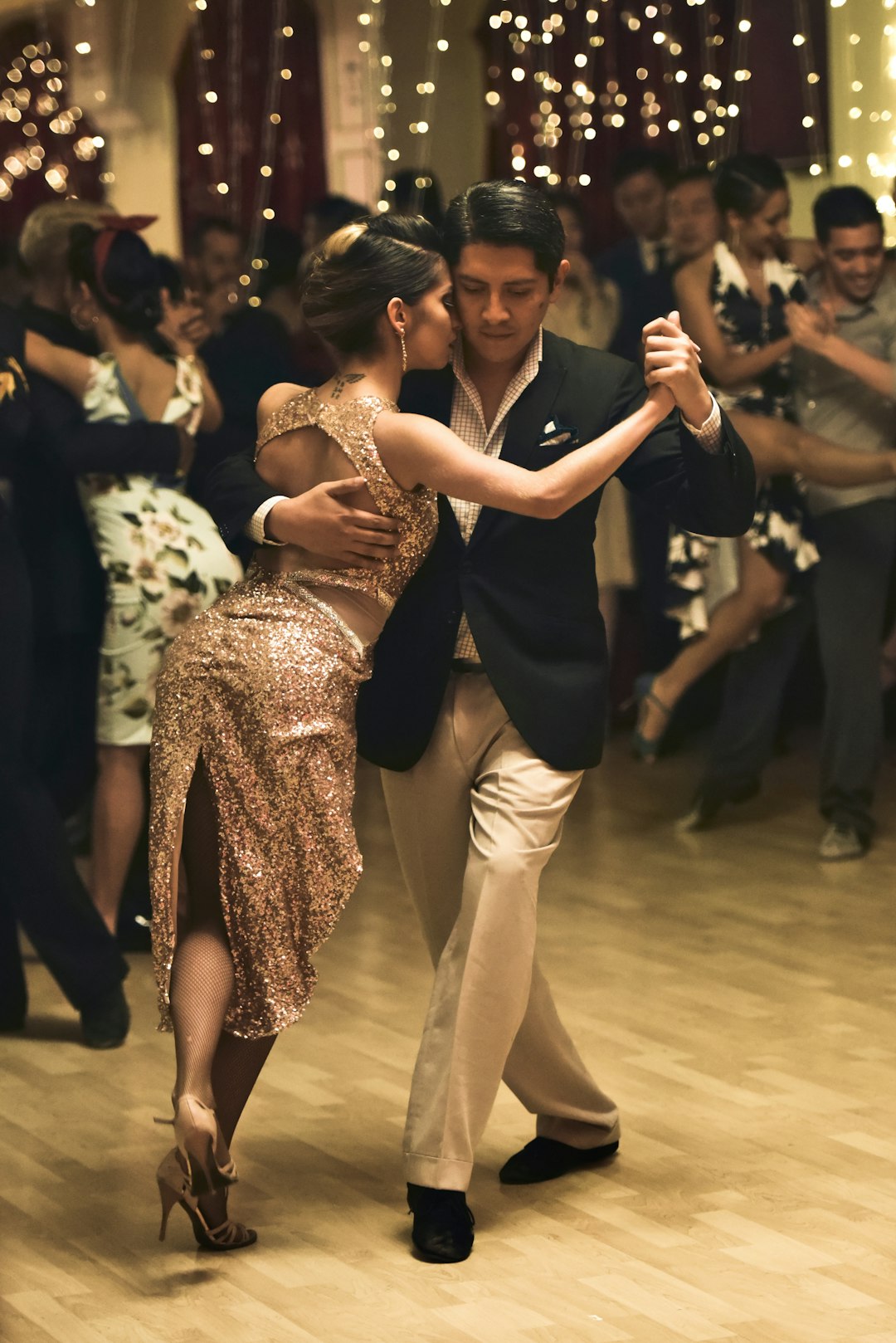
The soul of tango isn't just in the intricate steps or the close embrace; it's in the music. Born in the working-class neighborhoods of Buenos Aires and Montevideo in the late 19th century, tango is a story of passion, nostalgia, and rebellion told through sound. As the dance evolved from its humble origins to a global phenomenon, its music underwent radical transformations. This journey explores the rich tapestry of tango music, from the foundational rhythms of the guardia vieja to the electronic pulses of the 21st century.
The Roots: Traditional Argentine Tango
The earliest form of tango music emerged in the late 1800s and early 1900s, a product of the cultural melting pot of the Río de la Plata. This era, known as the guardia vieja (old guard), established the genre's core identity.
The sound was raw, intimate, and deeply expressive, typically performed by small ensembles called orquestas típicas. The instrumentation was crucial: the bandoneón, a German-concertina hybrid, became the instrument's melancholic and soulful voice, supported by piano, violin, and sometimes guitar. The rhythm was anchored in the distinctive habanera and milonga patterns, creating a compelling, walking bassline.
This music was made for dancing in small spaces like courtyards and bars, reflecting the intense, improvisational, and often melancholic spirit of the early dance. It told stories of love, loss, and the arrabal (the outskirts).
Iconic Example: "El Choclo" (composed by Ángel Villoldo) is a quintessential piece from this era, capturing the essence of early tango.
The Golden Age: The Grand Orquestas Típicas
The 1930s to 1950s marked tango's Golden Age, a period of sophistication, grandeur, and massive popularity. The small ensembles blossomed into full orquestas típicas, large orchestras featuring multiple bandoneons, violins, a piano, double bass, and often a vocalist.
This was the era of the legendary dance halls and iconic orchestra leaders, each with a signature sound that defined the social dance scene. The music became richer, more complex, and powerfully rhythmic, designed to fill ballrooms and move hundreds of dancers in unison.
- The Rhythmic Engine: Juan D’Arienzo – Known as "El Rey del Compás" (The King of the Beat), D’Arienzo's style was fast, staccato, and irresistibly danceable, reinvigorating tango's popularity with a driving pulse.
- The Romantic Sound: Carlos Di Sarli – Di Sarli's orchestra was the epitome of elegance and melody. With lush string passages and a smooth, flowing rhythm, his music embodied romantic sophistication.
Iconic Example: The classic "La Cumparsita," particularly in the vibrant, rhythmic recording by Juan D’Arienzo, became a global anthem of this period.
Revolution and Fusion: Piazzolla and Nuevo Tango
While the orquestas ruled the dance halls, a revolutionary figure was deconstructing the form. Ástor Piazzolla, a virtuoso bandoneonist and composer, studied classical music and jazz. In the 1950s, he fused these influences with traditional tango to create "Nuevo Tango" (New Tango).
Piazzolla's music was primarily for listening, not social dancing. He introduced complex harmonies, counterpoint, extended compositional forms, and improvisational elements from jazz. His work, often performed by his quintet (bandoneón, violin, piano, electric guitar, double bass), was initially met with controversy but ultimately elevated tango to the concert hall, gaining international acclaim.
Piazzolla's innovation is the critical bridge between traditional tango and all modern fusion, proving the genre's harmonic and emotional depth could transcend the dance floor.
Iconic Example: "Libertango," composed in 1974, is Piazzolla's most famous work, a powerful and minimalist piece that perfectly encapsulates his revolutionary fusion.
The Modern Sound: Electronic and Global Fusion
From the 1990s to the present, tango music has embraced global sounds and technology, leading to a new wave of popularity worldwide. This modern evolution often samples the classics but rebuilds them with contemporary tools.
- Electronic Tango (Electrotango): Artists like Gotan Project, Bajofondo, and Tanghetto layer samples of classic bandoneón melodies and rhythms over electronic beats, synthesizers, and trip-hop influences. This style creates a cinematic, club-friendly sound that has introduced tango to entirely new audiences.
- Global Fusion: Today, tango continues to cross-pollinate with genres like jazz, folk, rock, and classical music. Musicians worldwide incorporate tango's rhythmic and melodic sensibilities into their work, creating a dynamic, ever-evolving global scene.
Where to Start Listening: A Tango Primer
- Traditional: "El Choclo" by Ángel Villoldo
- Golden Age: "La Cumparsita" by Juan D’Arienzo; "Bahía Blanca" by Carlos Di Sarli
- Nuevo Tango: "Libertango" or "Adiós Nonino" by Ástor Piazzolla
- Electrotango: "Época" by Gotan Project; "Pa' Bailar" by Bajofondo
From the smoky bars of old Buenos Aires to the digital studios of Paris and Berlin, tango music has proven to be a living, breathing art form. Its evolution mirrors the dance itself: rooted in tradition, driven by passion, and endlessly adaptable. Whether you're drawn to the romantic strings of the Golden Age, the revolutionary chords of Piazzolla, or the electronic pulse of Gotan Project, there's a rhythm in the world of tango waiting to move you.
Ready to explore further? Share your favorite tango track or artist in the comments below, or better yet, find a local milonga (tango dance event) to experience this powerful music where it truly comes alive—in the dance.