Belly dance, an art form with roots stretching across the Middle East and North Africa, is a captivating dialogue between movement and music. Far more than mere background noise, the music is an active, essential partner. It provides the architecture for the dance, while the dancer gives it physical form and emotional nuance. To truly understand belly dance, one must listen closely. This deep dive explores the three pillars of its music—rhythm, melody, and instrumentation—and reveals how a dancer engages in a continuous, creative conversation with each.
Rhythm: The Foundational Heartbeat
If belly dance had a pulse, it would be rhythm. This is the foundational grid upon which every step, shimmy, and circle is plotted. But this grid is far from monotonous; it’s a complex landscape of percussive patterns, each with its own name, character, and history.
The dancer doesn't just follow this heartbeat—they converse with it. A foundational rhythm like the Maqsum (counted: DUM tek-a DUM tek) provides a steady, 4/4 framework for classic hip drops and walks. The lively Saidi rhythm, often associated with folkloric cane dances, inspires a bouncy, grounded energy. The slow, dramatic Chiftitelli allows for deep, sustained movements and emotional expression.
A skilled dancer interacts with these rhythms on multiple levels. They may anchor their large steps to the dum (the deep, resonant downbeat), while layering intricate hip accents on the teks (the higher-pitched upbeats). They anticipate rhythmic "breaks" or aqsats, where the music pauses, creating a moment of breathtaking tension before the dance flows on. This interplay transforms rhythm from a metronome into a dynamic partner.
Melody: The Emotional Soul
While rhythm provides the skeleton, melody is the soul. It carries the emotion, story, and cultural signature of the piece. This emotional core is largely defined by the maqam (plural: maqamat), the complex system of melodic modes central to Arabic music.
Each maqam evokes a distinct mood. Maqam Rast is often described as proud, confident, and joyful, perfect for celebratory performances. Maqam Bayati conveys a sense of warmth, longing, or poignant beauty. The dancer listens to the melody’s journey—its soaring peaks, melancholic dips, and repetitive phrases—and translates it into physical storytelling. A sweeping violin taqsim (melodic improvisation) might inspire fluid, expansive arm and torso movements, while a cyclical, hypnotic melodic line provides the perfect canvas for sustained, mesmerizing hip circles. The dancer becomes the visual embodiment of the melody's emotional narrative.
Instrumentation: The Expressive Color Palette
The rich texture of belly dance music comes from its instrumentation. Each traditional instrument adds a specific color and texture, and a perceptive dancer responds to their unique voices.
-
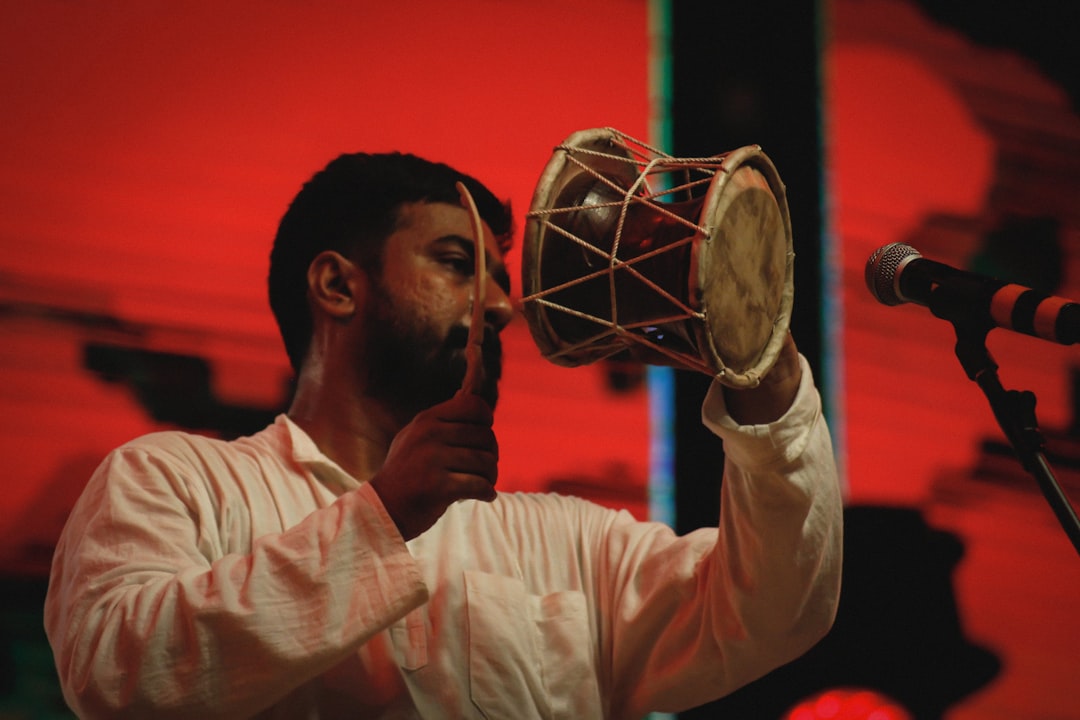
The Percussion (The Rhythmic Driver): The dumbek or tabla is the master drummer, articulating the core rhythm. The sagat (finger cymbals) are unique—they are an extension of the dancer herself, allowing her to become part of the percussion section, accenting and complementing the drum's pattern.
-
The Strings (The Melodic Heart): The oud, a pear-shaped lute, provides both rhythmic strumming and intricate melodic runs. The violin (or kamanjah) often carries the lead melody, its expressive, vocal-like quality guiding the dancer’s most emotive movements.
-
The Wind (The Spiritual Breath): The ney, an end-blown reed flute, adds a spiritual, melancholic, or pastoral feeling, often inviting introspective and graceful movement.
A dancer might punctuate the sharp pluck of the oud, glide with the legato flow of the violin, or embody the breathy sigh of the ney. This acute listening creates a performance where movement seems to emanate directly from the instruments.
The Synergy: A Dynamic Musical Conversation
The true magic happens in the synergy. A belly dance performance is not a dancer to music, but a dancer with music. It is a real-time, improvised dialogue. The dancer listens, interprets, accents, and sometimes even challenges the music.
They may use a layer of slow, undulating torso movements to match the melody while their hips articulate a faster, underlying rhythm. They might highlight a sudden dum from the drum with a sharp lock or turn their head sharply to accent a violin pizzicato. This ability to deconstruct the music and respond to its individual components—while maintaining the whole—is the mark of a masterful dancer. The music provides inspiration and structure, but the dancer brings it to life with personality, emotion, and artistry.
Conclusion: An Enduring Dialogue
From the folkloric stages of Egypt to contemporary fusion performances, the relationship between belly dance and its music remains a profound, evolving conversation. By understanding the language of rhythms like Maqsum and Saidi, the emotional hues of the maqam system, and the distinct voices of the oud and dumbek, we gain a deeper appreciation for this ancient art form.
Next time you witness a belly dance, try to listen actively. Can you identify the foundational rhythm? Hear the call of a specific instrument? See how the dancer’s movements translate a melodic phrase? In doing so, you move from passive observer to an engaged participant in one of the world's most captivating artistic dialogues.