If you haven’t seen Russell Maliphant’s work, you’re missing one of the most quietly revolutionary forces in contemporary dance. A recent review of *Landscapes* reminded me why Maliphant isn’t just a choreographer—he’s an architect of atmosphere, a painter using bodies and shadows as his medium.
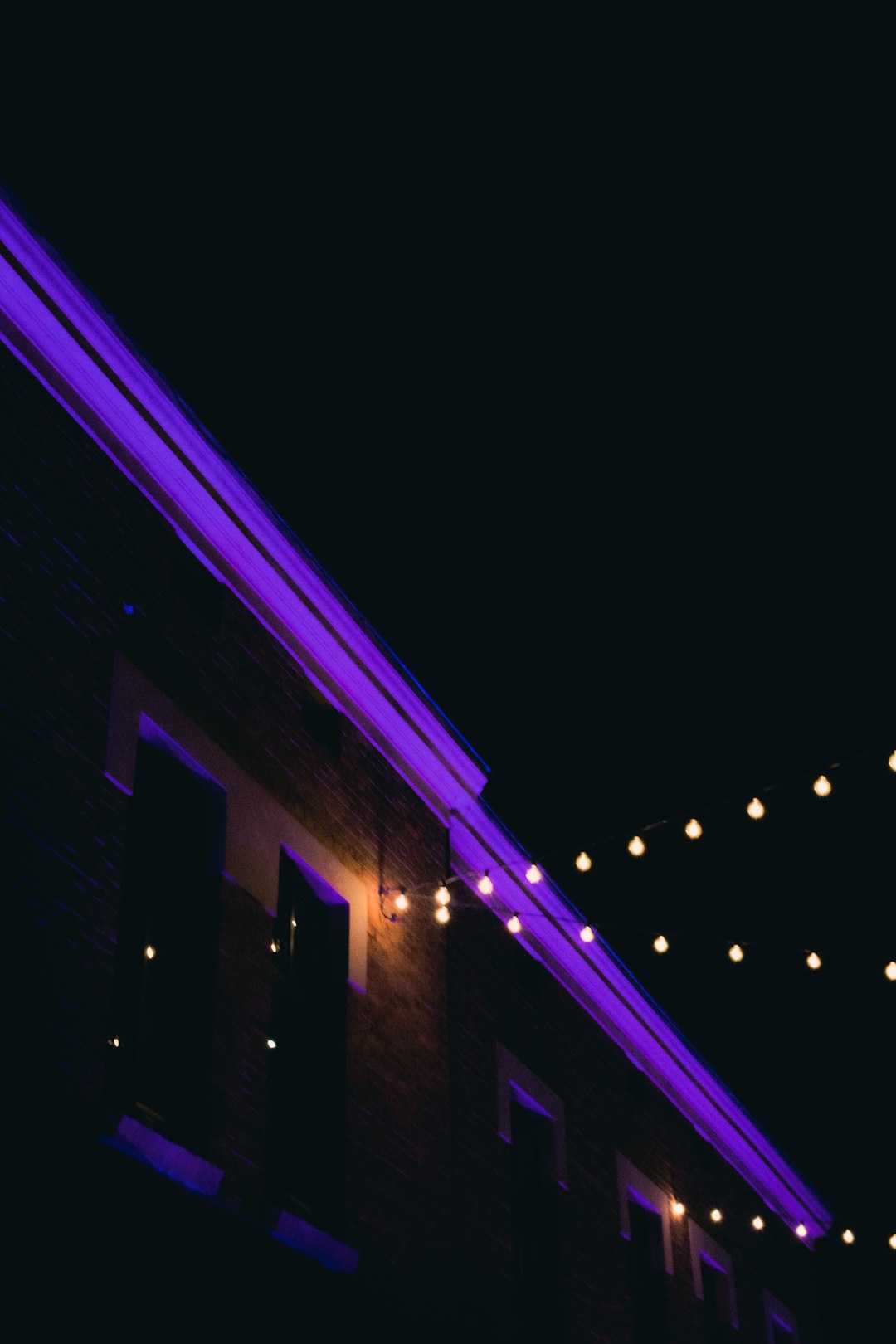
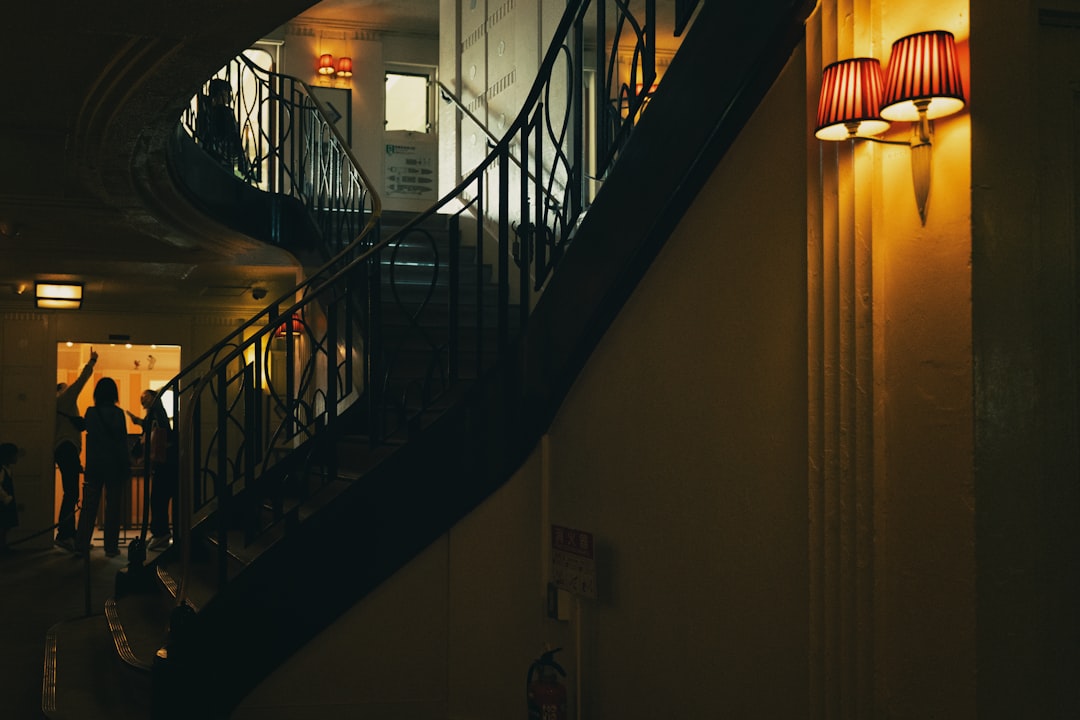
What strikes me most is how he treats light not as a decorative afterthought, but as a co-choreographer. In *Landscapes*, light sculpts the dancers. It carves pathways in the air, defines boundaries, and sometimes seems to physically resist or lift the performers. This isn’t just a visual trick; it fundamentally changes how we perceive movement. A limb extending into a beam of light gains weight, intention, a story of its own.
Maliphant’s movement vocabulary—deeply rooted in somatic practices, capoeira, and tai chi—is the perfect partner to this play of light. The dancing is often internal, fluid, and continuous. There’s a mesmerizing, meditative quality to the spirals, falls, and recoveries. Dancers seem to move from their center of gravity, creating a sense of effortless power that feels almost superhuman under the precise lighting design (often created in collaboration with lighting genius Michael Hulls).
This creates a unique emotional experience. You’re not just watching a narrative; you’re being immersed in a *state*. A landscape of feeling. The combination invites you to slow down, to focus on the texture of a single gesture, the shift from shadow to illumination. In an age of infinite digital distraction, this feels like a radical act.
For me, Maliphant’s work is a masterclass in subtraction. He removes the excess—the elaborate sets, the overwrought narratives—to focus on the essential poetry of a body in space, transformed by light. It’s dance at its most elemental and, paradoxically, its most sophisticated.
It makes you wonder: in dance, are we the ones moving, or is the light moving through us? Maliphant’s *Landscapes* suggests it’s a beautiful, inseparable dance between the two.