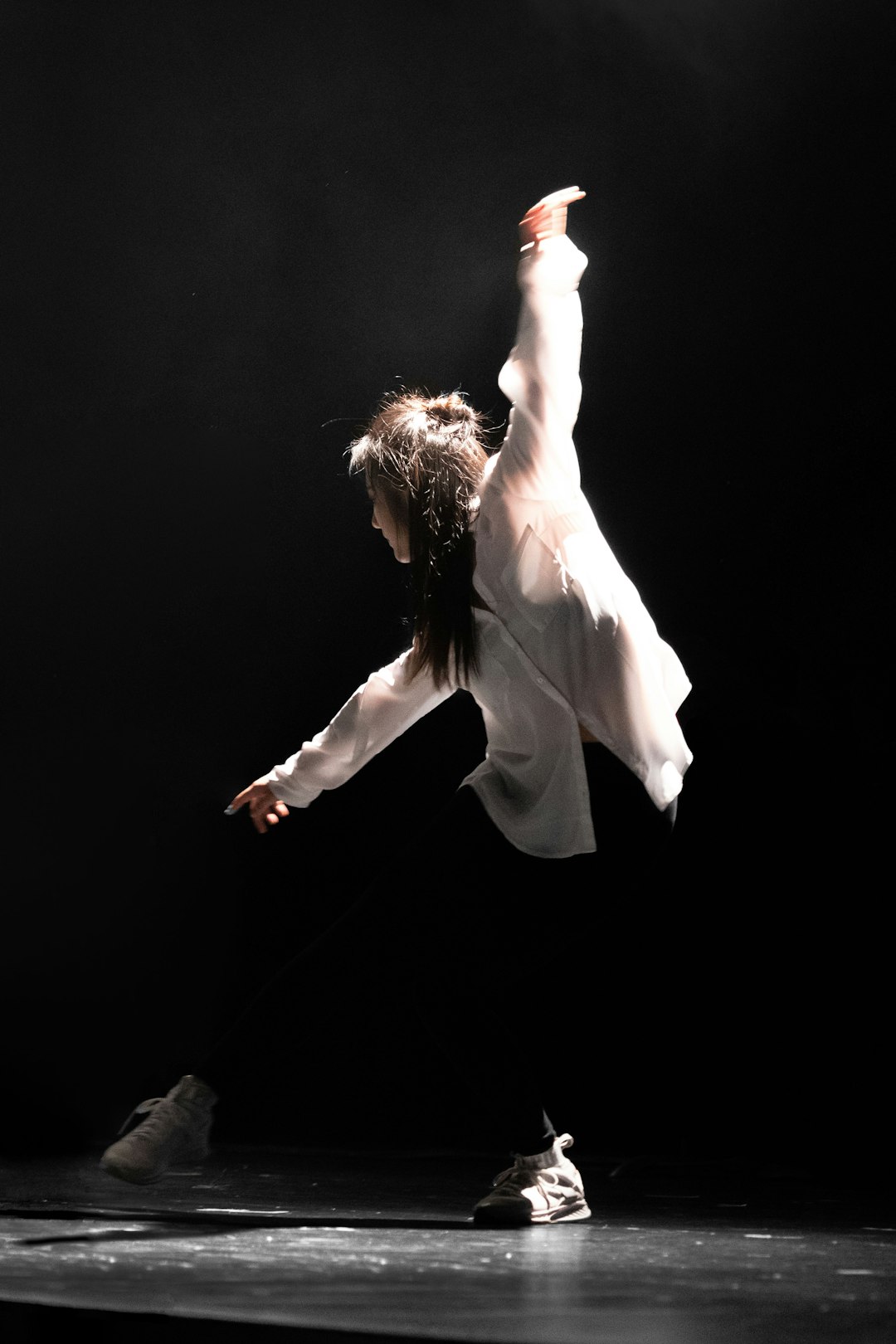
Zumba's reputation as a high-energy workout obscures its less visible benefit: a measurable impact on mental health. This fusion of dance and aerobic movement operates as more than physical conditioning—it functions as an accessible, evidence-informed tool for psychological well-being. The connection between rhythm and resilience rests on a genuine interplay of neurochemistry, mindfulness, and social dynamics.
How Zumba Affects Your Mind: Four Mechanisms
1. Stress Relief Through Movement Meditation
The high-energy, rhythmic movements of Zumba demand attention to music and choreography, creating a state of "mindfulness in motion." This focused attention interrupts ruminative thought patterns associated with stress and anxiety. Physical exertion triggers endorphin release, while research on dance-based exercise suggests that synchronized movement to music may help regulate cortisol, the body's primary stress hormone.
What Many Experience: Mental chatter diminishes as attention narrows to the beat. Participants often report leaving class physically tired but mentally lighter.
2. Natural Mood Enhancement
The expressive nature of Zumba appears to stimulate production of serotonin and dopamine—neurotransmitters involved in mood regulation, sleep, and motivation. This biochemical response may help counter low mood and support sustained well-being beyond the immediate activity.
What Many Experience: A sense of playfulness and release. The combination of music and unrestricted movement generates noticeable positive affect.
3. Confidence Building
Zumba emphasizes participation over perfection. As individuals learn routines and become comfortable with movement, they develop self-efficacy—the belief in their own capabilities. This mastery experience, occurring in a non-judgmental environment, contributes to self-esteem and body confidence grounded in function rather than appearance.
What Many Experience: Initial hesitation gives way to engagement with collective energy. Pride emerges from what the body can accomplish, not how it looks.
4. Social Connection
Isolation undermines mental health. Zumba classes provide structured community: shared rhythm, mutual effort, and collective enjoyment foster social bonds. This sense of belonging serves as a documented protective factor against loneliness.
What Many Experience: The class becomes a regular point of contact, transforming adjacent strangers into a supportive network.
Getting Started: A Practical Guide
Assess Your Options
Classes accommodate diverse needs. Look for:
- Intro or Basic: Foundational choreography at moderate pace
- Gold: Modified for older adults or those returning to exercise
- Aqua: Pool-based, reducing joint impact
- Online platforms: Lower-pressure introduction for home practice
Evaluate Fit
Many studios offer trial classes. Sample different instructors and formats—standard Zumba, Zumba Toning (with light weights), or Strong Nation (higher intensity)—to identify community and energy that match your preferences.
Prepare and Participate
- Arrive early to acclimate
- Hydrate before and after
- Wear clothing permitting free movement
- Prioritize consistency over performance
Addressing Common Concerns:
| Barrier | Strategy |
|---|---|
| Coordination anxiety | Stand toward the back initially; focus on footwork before arms |
| Cost | Community centers and online subscriptions often reduce expense |
| Scheduling | Weekend or lunch-hour classes; 20-minute online sessions when time is limited |
| Body image | Remember that attention is directed at the instructor, not participants |
Embrace the Process
The core principle is engagement, not execution. Mirror the instructor approximately, attend to the music, and remain present in movement. Even weekly participation can produce noticeable effects on stress and mood.
Note: Zumba can complement mental wellness practices but does not replace professional evaluation or treatment for clinical conditions.
Your Next Step
Zumba offers something distinct from conventional exercise: cardiovascular benefit combined with creative expression and structured community. For those seeking stress reduction, mood improvement, or social connection, the investment is modest and the barrier to entry low.
A single class provides sufficient information to assess personal fit. The community exists; participation is the remaining variable.










