---
When I first walked into a roda in Salvador, I thought I understood capoeira. I'd watched videos, practiced my ginga in my apartment, even bought my own abenhêca. What I hadn't understood was the music.
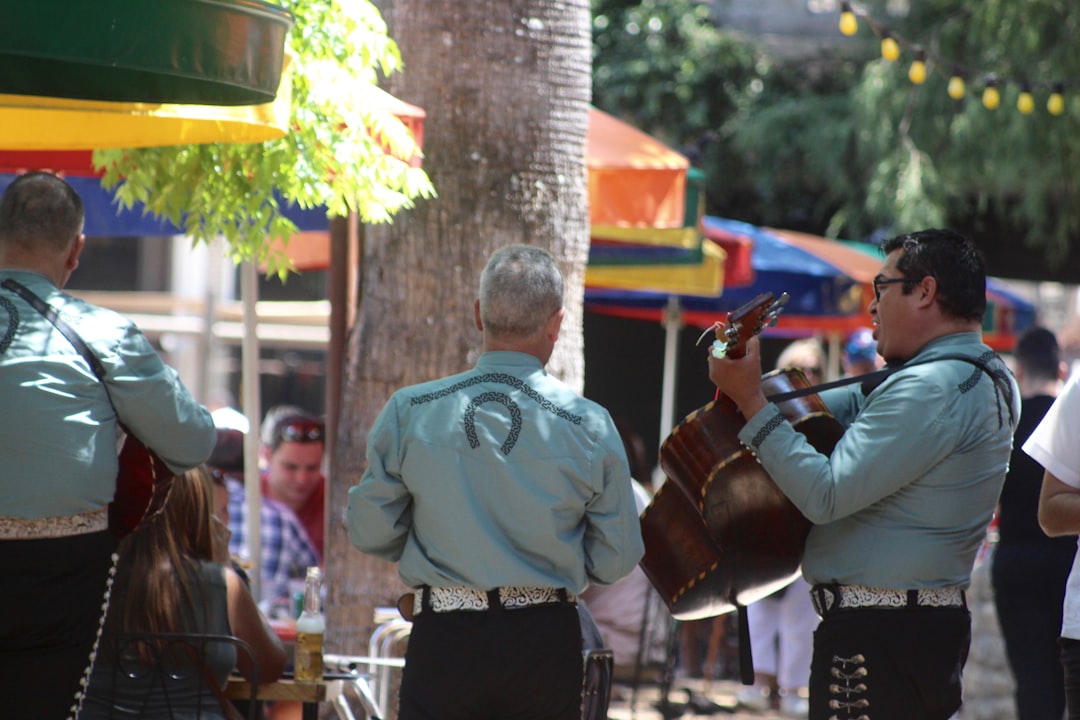
A mestro stood in the center, playing berimbau like it was breathing. The atabaques pulsed. Someone next to me started singing in a call-and-response pattern I couldn't follow. And then people started moving — and I realized I had no idea when to begin.
That's when it hit me: capoeira without music isn't capoeira. It's just martial arts in funny pants.
The Berimbau Changed Everything
My first real breakthrough came three months later. I'd been practicing the same sequence for weeks — au, macaco, rolê — everything stiff and mechanical. Then my teacher put on Baden Powell's "Berimbau" and told me to move however the music made me feel.
At first, nothing changed. I was still counting in my head, still thinking three steps ahead. But somewhere around the second minute, when Powell's guitar softened and the berimbau came in, my body just... took over. My ginga widened. My kicks extended without me telling them to. I wasn't performing anymore — I was responding.
That's the secret nobody writes about. The right song doesn't make capoeira more fun. It dissolves the gap between thought and movement. Your body stops waiting for permission.
Finding Your Capoeira Soundtrack
Not all music works the same way, and this is where most people go wrong. They grab whatever sounds Brazilian and hope for the best. But every track serves a different moment in your practice.
Start with Baden Powell. There's a reason mestres have played "Berimbau" for decades — it's not a warm-up song. It's a reminder of what capoeira actually sounds like, deep in its bones. The guitar doesn't push you; it holds space for you to find your own rhythm inside it. Use it when you're working on fluidity, on letting movements flow into each other without those awkward stops.
When you need energy — and I mean the kind that makes your esquiva feel like a reflex — reach for "Mas Que Nada." Sérgio Mendes version, the Brasil '66 one with the tight harmonies. It's fast, it's bright, and it will make you want to kick higher than you've ever kicked. Don't fight that impulse. That's the music working.
Then there's "Tatuagem" by Tim Maia. This one took me by surprise. I expected something upbeat to match my training schedule. Instead, I put it on during a slow afternoon session and found myself moving in ways I hadn't attempted in months. The bossa nova groove is deceptive — it sounds relaxed, but underneath there's this insistent pocket that rewards patience. Perfect for drilling technical sequences where precision matters more than speed.
The Songs That Demand More
Carlinhos Brown's "Céu Distante" still signals to my nervous system that it's time to work hard. There's something in the way he layers traditional Afro-Brazilian percussion with those modern electronic textures that creates a kind of productive tension. The track doesn't sit still — it keeps shifting, and that forces you to stay adaptive. Try pairing it with your most experimental sequences. See what your body invents when the music won't let you settle.
Thievery Corporation's "Pela Internet" is my secret weapon for late-night solo practice. It's not traditional by any stretch, but the rhythm is clean and the production is spacious. When I'm working on flow between slow movements, this track gives me just enough structure to stay grounded without boxing me in. Some purists would argue against it. I understand the argument. But if it helps someone connect more deeply with their ginga, I'm not going to throw stones.
And when training ends — when your shirt is soaked and your legs are trembling and you need something that acknowledges the full arc of what you just did — play "Aquarela do Brasil." Not to end on a high note, exactly. More like to remind yourself why you showed up. Ary Barroso wrote an anthem for a whole country's soul. If that doesn't make you want to bow properly to your training partner, nothing will.
Music as Teacher
Here's what I've learned after years of letting songs shape my sessions: the music isn't accompaniment. It's a conversation partner. It tells you things about your movement you can't hear any other way — where you're hesitating, where you're rushing, where your weight shifts too early or too late.
The first time you throw a macaco without counting, without planning the next move, and realize the song told your body when to go — that's the feeling people spend years chasing. You can't manufacture it with willpower. You can only create the conditions and let it arrive.
So build your playlist differently than everyone else. Find the songs that do something specific to your nervous system. The ones that make your esquiva softer, your aú higher, your presence in the roda harder to ignore.
Your capoeira doesn't need a perfect playlist. It needs the right one — for you, at this stage, for what you're building inside the circle.
And when the berimbau calls, you'll know exactly how to answer.