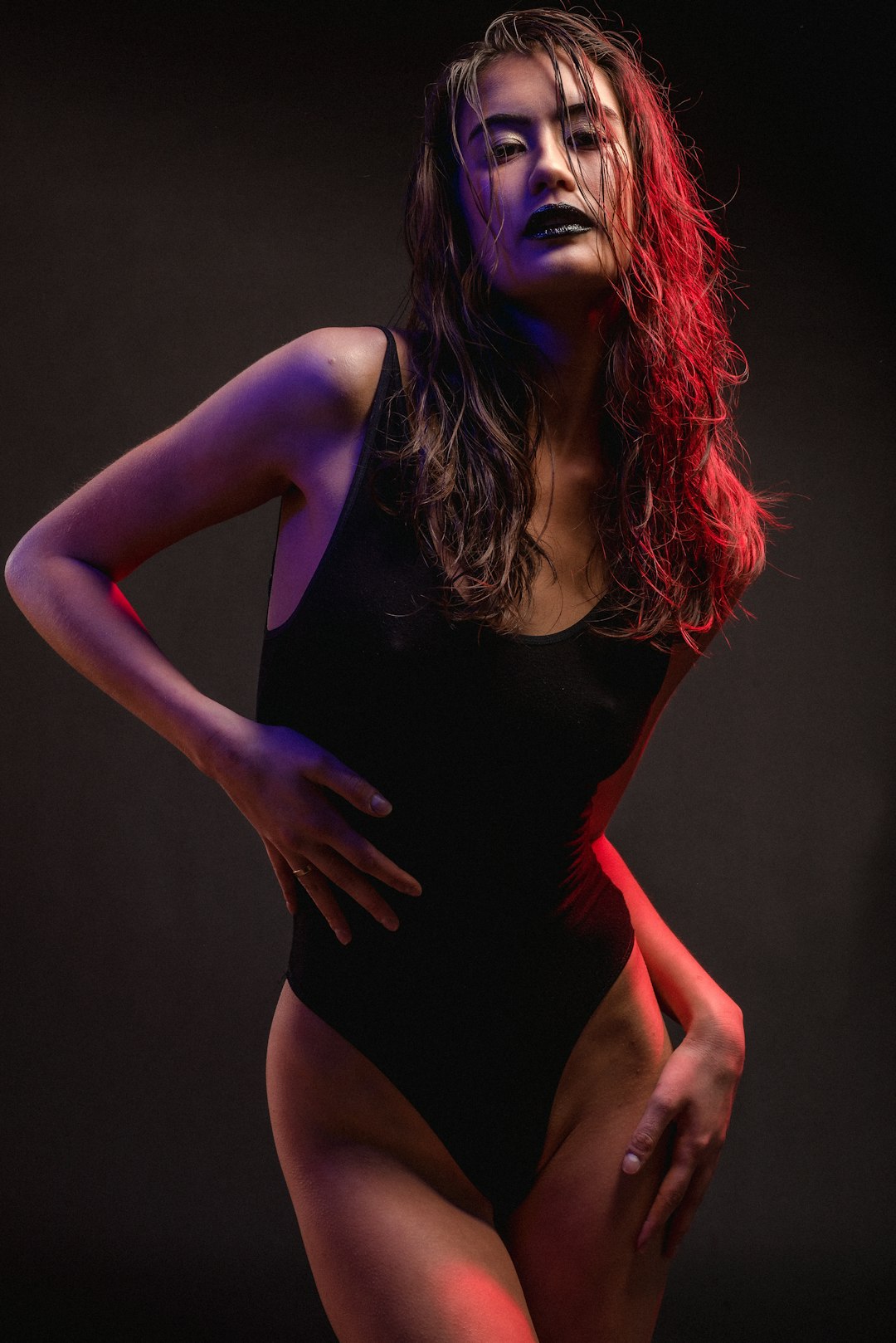
Picture this: a dancer on a darkened stage. The first notes are not a familiar fiddle tune, but a synthesized beat. As the rhythm builds, the crisp, percussive strike of a hard shoe answers it, creating a complex counter-rhythm. Lights trace the dancer’s path, their movements amplified by real-time motion graphics that flow from their treble jig. This isn't a departure from Irish dance; it's its evolution. The question is no longer if Irish dance will change, but how. As we stand at the intersection of deep tradition and rapid innovation, let's explore the compelling forces shaping its future.
The Living Tradition: Fusion as the Next Evolution
Irish dance has never existed in a vacuum. Its history is one of adaptation. The future lies not in abandoning its iconic form—the upright torso, precise footwork, and rhythmic intensity—but in allowing it to converse with other global dance languages. We are moving beyond the mere idea of fusion into an era of sophisticated hybridization.
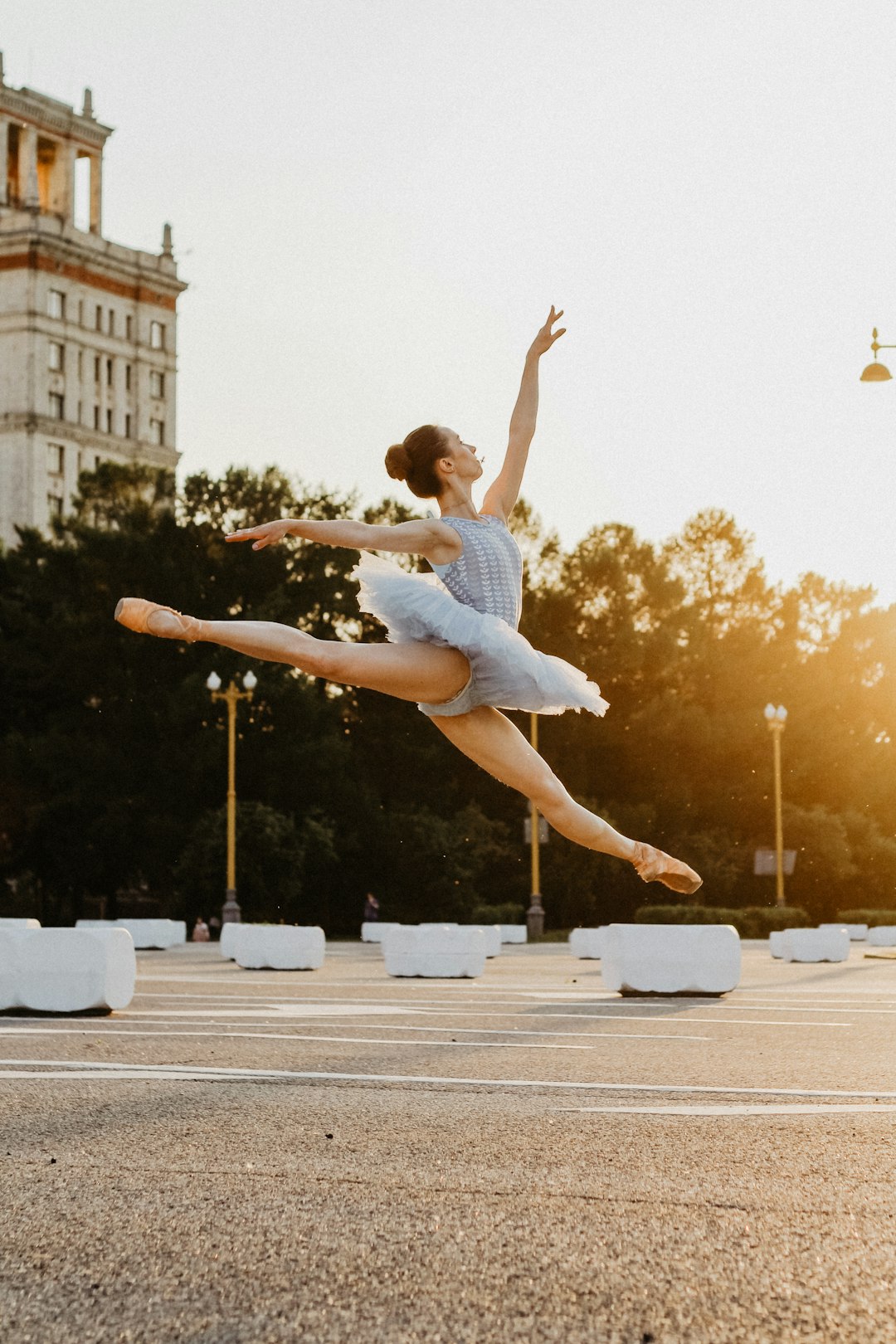
Imagine the powerful, synchronized line formations of a troupe like Riverdance infused with the fluid, emotive partnering and floorwork of contemporary dance, creating a powerful new vocabulary for narrative storytelling. Envision the intricate clicks and taps of hard shoe becoming the live percussive engine for a hip-hop crew, sparking a cultural dialogue where each style elevates the other. We're already seeing seeds of this in competitive circuits, where choreographers subtly incorporate balletic arm lines or the grounded physicality of modern dance to add emotional depth to traditional sets. The future champion may be as fluent in these fusion forms as they are in a traditional slip jig.
The Digital Stage: Technology in Practice and Performance
Technology will cease to be just a tool and become a transformative partner in both the studio and the theater.
-
Immersive Practice & Analysis: Virtual Reality (VR) will do more than simulate a stage. It will allow a dancer in Dublin to practice alongside a holographic instructor in New York, or to rehearse a complex formation with virtual troupe members. Motion capture technology, moving beyond simple analysis, will provide biomechanical feedback to prevent injury and optimize movement efficiency, creating a new science of dance training.
-
Augmented Performance: The performance itself will expand into a multi-sensory experience. Augmented reality (AR) could allow audiences, via smartphones or glasses, to see the intricate tracings of a dancer's steps overlaid on the stage. Motion data could drive dynamic lighting and visual effects, where the velocity of a spin dictates the swirl of digital imagery, making the dancer a co-creator of the visual landscape.
Global Reach: Drivers of Popularity in a Connected World
The global boom sparked by Riverdance was just the first act. Today's connectivity is fueling a more decentralized, participatory, and viral wave of popularity.
Social media platforms like TikTok and Instagram are creating micro-generations of dancers. Short-form, high-impact videos featuring lightning-fast hard shoe rhythms or innovative fusion sequences can captivate millions, democratizing exposure and inspiring new learners worldwide. Streaming services will broadcast major competitions and bespoke digital performances to living rooms across the globe, creating new stars and fans far from traditional strongholds.
Furthermore, online learning platforms are breaking down geographical and financial barriers to world-class instruction. A student in Brazil can take a masterclass from a champion in Belfast, fostering a more diverse and globally informed community of dancers. The future "local" feis might have a digital twin, with competitors submitting videos for adjudication from every continent.
Navigating Change: Balancing Innovation and Tradition
This exciting evolution does not come without its tensions. Purists understandably voice concerns about cultural dilution—the risk that the essential, centuries-old character of the dance could be lost in pursuit of novelty. The challenge for the community will be to engage in a conscious dialogue: what are the non-negotiable core elements that define Irish dance, and what is the fertile ground for experimentation?
The cost of advanced technology also presents a hurdle, potentially creating a divide between well-resourced and grassroots schools. The future will require thoughtful stewardship to ensure innovation enhances accessibility rather than restricting it. The goal is not to replace the heart-stopping power of a perfectly executed traditional ceili, but to build new stages alongside it.
Carrying the Rhythm Forward
The future of Irish dance is not a single path, but a broadening landscape. It will be found in the fusion studio where a beatboxer and a sean-nós dancer find common rhythm, in the tech lab where code translates movement into light, and on the smartphone screen where a fifteen-second reel captures the world's imagination.
It remains a dance deeply rooted in cultural identity, but one that is confidently claiming its place on the world's cultural stage. Its evolution is a testament to its vitality. By honoring the precision of its past while embracing the creative possibilities of the future, Irish dance is ensuring its rhythm will resonate for generations to come.
What fusion would you most like to see? And what traditional element do you believe is essential to preserve?