---
Finding the Beat in a Bogotá Courtyard
I still remember the first time I saw real Cumbia. Not a YouTube tutorial, not a dance studio with mirrors and proper flooring — I'm talking about a crowded courtyard in Bogotá, cumbia blaring from a speaker held up by a guy with a cigarette behind his ear, and everyone just knowing the steps. Couples swaying like palm trees in a storm, feet moving in that hypnotic three-beat pattern I couldn't quite pin down, and something about the whole scene that made me think: I need to learn this dance. Not eventually. Now.
That was six years ago. I'm still learning.
Here's the thing nobody tells you about intermediate Cumbia: the basics are a lie. Not really — they're essential. But there's this gap between knowing the steps and feeling them, between counting in your head and forgetting to count altogether. Getting across that gap is where the real work lives. And it's worth every frustrating hour of stepping on your partner's toes.
Your Feet Already Know More Than You Think
Every intermediate dancer I know — including myself at that stage — makes the same mistake. They want to learn the fancy stuff. Turns. Styling. Complex footwork patterns. But they haven't yet made peace with the basic cumbia step, the one that looks so simple it's almost embarrassing to practice.
Here's what changed everything for me: I stopped thinking of the basic step as something to move past. I thought of it as the whole universe.
Stand in place. Left foot taps, weight shifts, right foot taps. Then reverse. Add the hip sway. Now do it walking forward. Now backward. Now diagonally. Now at half speed, then double time. Do it until you can do it drunk, distracted, mid-conversation. The day that foundational step becomes automatic — I mean truly automatic, where your body handles it and your brain is free to think about connection and musicality — that's when Cumbia starts to open up.
If you're polishing your basics and they still feel mechanical, you're not done. Keep going.
The Cross-Body Lead: It's Not a Move, It's a Conversation
If Cumbia had a national anthem, the cross-body lead would be on the album cover. This is the move everyone pictures when they think of the dance — that elegant passing motion where the leader draws the follower across the floor in a sweeping arc.
Most people learn it as geometry. Step here, turn there, bring her through. That's fine for the first week. But intermediate work means getting past the geometry and into the conversation.
What does that actually feel like? The leader isn't pushing or pulling. You're suggesting a direction with your core, your chest, the way your weight settles. The follower isn't waiting to be moved — she's listening for that suggestion and responding immediately. When it works, there's this moment of perfect sync where neither person is leading or following in any obvious way; you're just moving together like a single nervous system.
The only way to develop this is dancing with different partners. Every dancer has a different quality of movement, a different sense of timing. Practice with ten people and you'll learn more than from drilling the same choreography ten times.
Turns and Spins: Add Them Like Hot Sauce
I made a classic intermediate mistake when I first learned turns: I added them everywhere. Every eight-count became a spin. Every direction change got a rotation. My partner at the time — a patient woman from Cali who could dance Cumbia in her sleep — finally stopped me mid-song and said, "Why are you spinning so much? You look like a helicopter with legs."
She was right. Turns are punctuation, not the whole paragraph.
At intermediate level, the goal isn't to add more turns — it's to add the right turns at the right moment. A single well-placed turn, held just a half-beat longer than expected, creates more drama than five turns in a row. Learn the mechanics first: balance on one foot, spot your partner, stay grounded through your standing leg. Then practice finding the musical moments where a turn will actually mean something.
Start with the basics — closed position turns, open turns, single rotations. Get those locked in. Then experiment with combinations: a turn into a handhold, a spin that flows directly into the cross-body lead. But please, resist the urge to spin every time the music picks up. Trust me. Your partners will thank you.
Partnering: The Thing Nobody Teaches Well
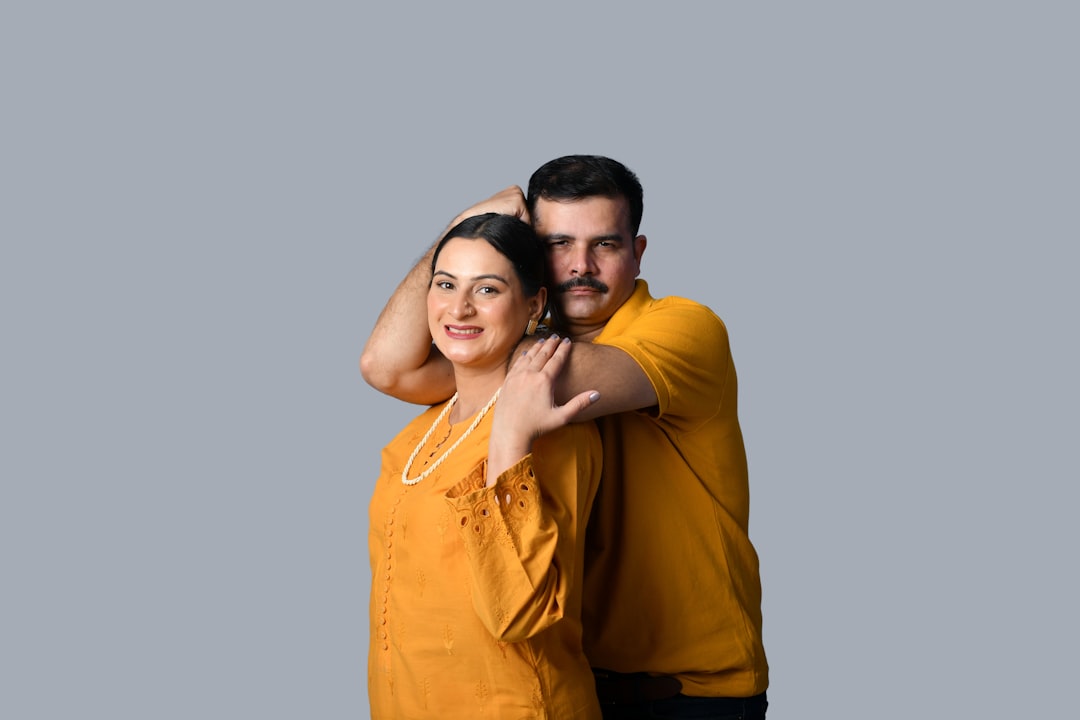
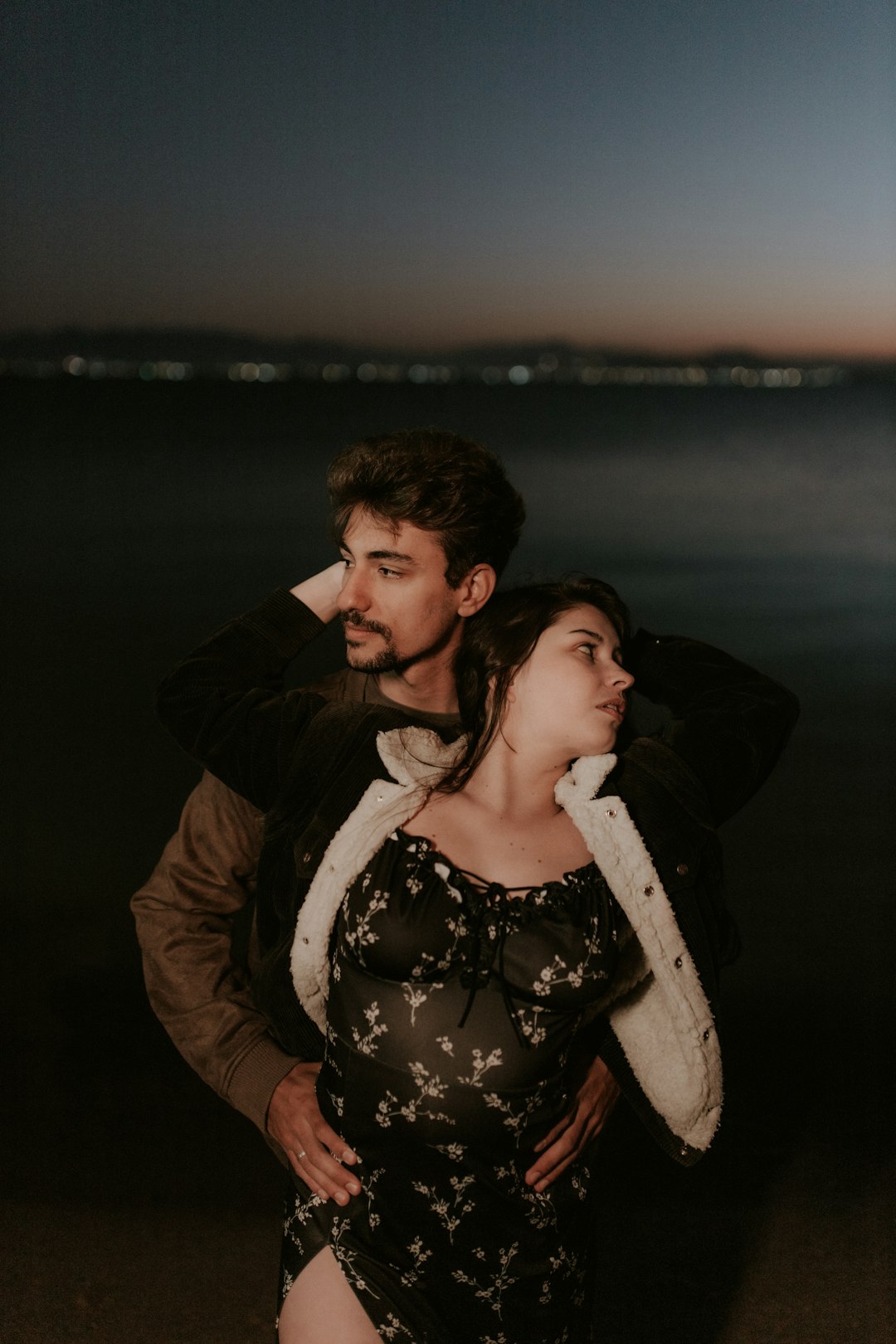
This is where intermediate Cumbia gets interesting — and frustrating. The actual connection between two dancers, the physical and nonverbal communication that makes the dance feel alive, is almost never taught systematically. You pick it up in fragments: a tip from an instructor, an "aha" moment during social dancing, watching a seasoned couple and trying to reverse-engineer what they're doing.
Some things I've learned the hard way: frame pressure matters. Your connection with your partner should feel like holding a bird — firm enough that it can't fly away, gentle enough that it can breathe. Too much tension and the dance becomes rigid; too little and there's no connection to follow.
Hand placements, arm wraps, and body leads all serve the same purpose: communicating direction, energy, and intent. But the real skill isn't knowing the shapes — it's reading your partner in real time. Is she leaning in, ready for a more dynamic lead? Is he backing off slightly, giving you space to improvise? The best Cumbia couples I've ever watched weren't executing choreography. They were having a conversation with their bodies.
Following the Music: Your New Full-Time Job
Here's a test. Play a cumbia song right now — Villano Antillano, or something traditional, or whatever you have on your phone. Don't dance. Just listen. Can you hear the clave? Can you feel where the weight of each measure falls?
If that took more than a few seconds, spend more time listening.
Cumbia music is rich and layered. There's the obvious stuff — the steady pulse, the melodic accordion lines, the call-and-response vocals. But underneath it all is the clave, the rhythmic DNA that everything else orbits. Once your ears lock onto that pattern, dancing becomes a different experience. You're no longer executing steps on top of music. You're moving with it, responding to it, letting it tell you what comes next.
I keep a cumbia playlist now that spans traditional Colombian, modern pop cumbia, Peruvian cumbia, and electronic cumbia. Different tempos, different production styles, same fundamental rhythm underneath. Dancing through all of them has trained my ear and my body to adapt on the fly — which is exactly what happens at a social dance when someone cranks on an unexpected track.
Workshops: Go Get Humiliated (It's Good For You)
The best thing I ever did for my Cumbia was a weekend workshop in Medellín. Three hours of intensive instruction, a packed room, and instructors who corrected my cross-body lead so many times I lost count. I went home exhausted and slightly demoralized.
I also went home significantly better.
Workshops give you something private practice can't: outside eyes and bodies to dance with. An instructor catches the compensating habit you've developed — maybe you lean too far forward when you turn, or your hip sway is coming from your knee instead of your core. Different dance partners expose gaps in your connection skills. And the intensity of a workshop, a few concentrated hours of focused work, often produces breakthroughs that weeks of solo practice won't touch.
Find workshops. Take ones at your level. Be ready to feel like a beginner again, because you will.
The Long Game
Cumbia doesn't reward talent the way some dances do. It rewards presence, patience, and the willingness to show up week after week. Some nights you'll dance beautifully. Some nights you'll miss half your steps and wonder why you started. Both experiences are part of it.
The dancers I admire most — the ones who make Cumbia look effortless, who can pick up any partner and make them feel secure and excited at the same time — didn't get there quickly. They got there by dancing. A lot. With lots of different people. Through the boring phases and the breakthrough phases and everything in between.
So go practice your basics until they're boring. Find a partner or three. Turn the music up. Let the clave get into your bones.
Cumbia has been waiting for you.