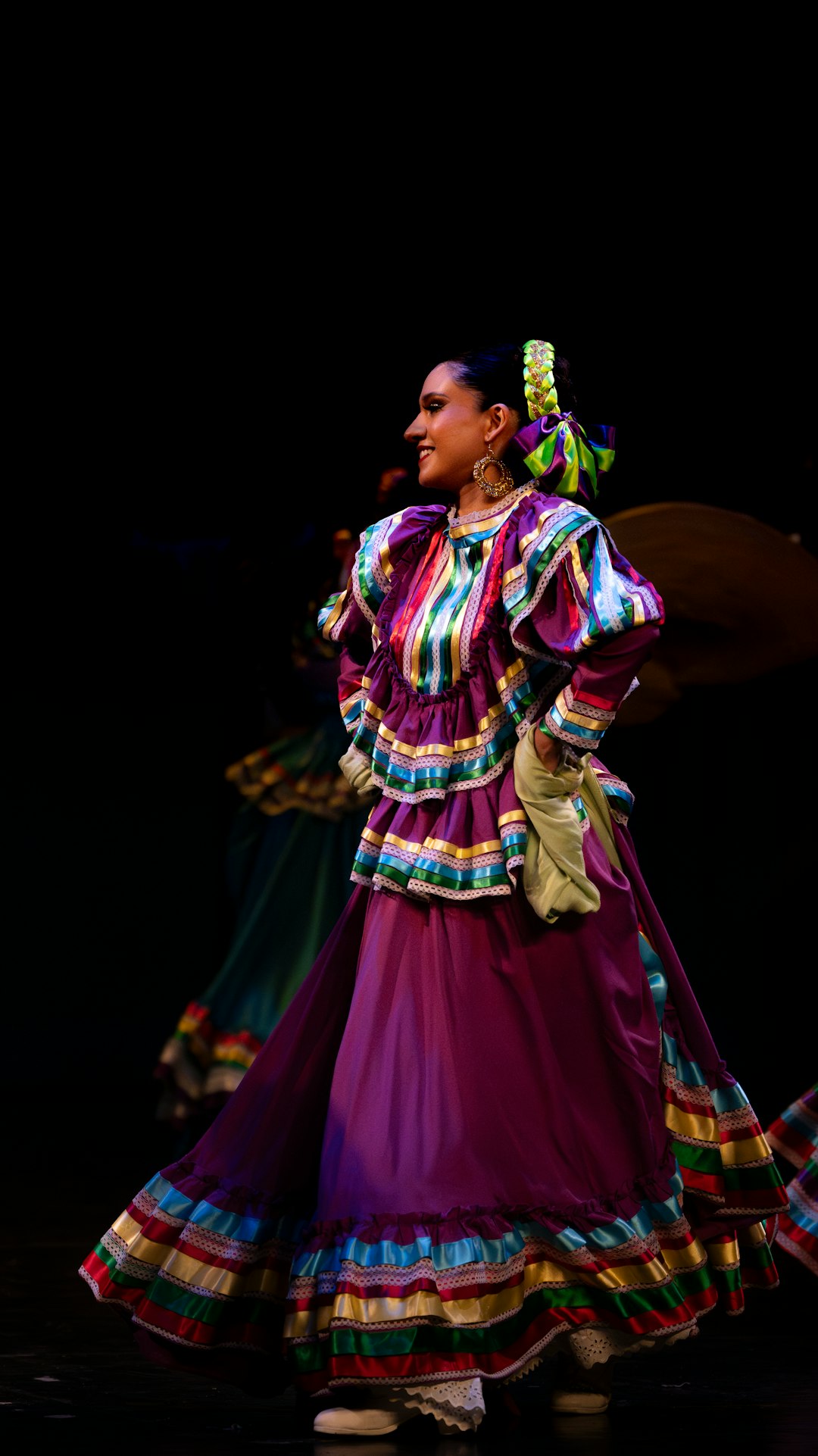
It Started with a Wrong Turn
I wasn't looking for Tango. Honestly, I'd barely heard of it beyond that scene in Scent of a Woman. But one Friday night, running late to meet friends at a downtown bar, I took a wrong turn down a side street and heard it—this aching, beautiful music spilling from an open door. A couple glided past the window, moving like they were reading each other's minds. I stood there for twenty minutes, completely mesmerized. That's how I found Pima Tango Academy, and honestly? It changed everything.
The Downtown Institution That Pulls You In Deep
Pima Tango Academy sits right in the thick of downtown, but step inside and the city noise just... dissolves. What hooked me wasn't the elegant mirrors or the sprung floors (though both are top-notch). It was the instructors. These aren't people who learned from YouTube tutorials—they've danced in Buenos Aires milongas, studied under masters, and somehow make you feel like you belong there on your very first night.
Their Tango Immersion Weekends are legendary for a reason. Picture this: Friday evening basics, Saturday afternoon musicality workshops, Sunday morning history lessons over Argentine wine. You walk in knowing nothing and leave feeling like you've lived a whole other life. I still remember my first weekend—my chest was sore from the embrace, my brain buzzing with new vocabulary like "cruzada" and "ochos," and I couldn't stop thinking about Monday's milonga.
Where Community Becomes Family
La Milonga Dance Studio gets something that took me months to understand: Tango isn't a solo sport dressed up as a partner dance. It's a conversation. Their weekly milongas—those social dance gatherings where the real magic happens—taught me more than any formal class ever could.
The first time I walked into one, I was terrified. Everyone seemed to know what they were doing, gliding across the floor in that distinctive close embrace. But here's the thing about La Milonga: nobody judges. A grandmotherly woman named Rosa noticed my frozen stance near the wall and came over. "The music tells you what to do," she said, offering her hand. "Just listen." Three dances later, I understood what she meant. The instructors here emphasize connection over perfection—feeling the music, sensing your partner's intention. It's not about flashy moves. It's about that moment when you both lean into a pause and it feels like the entire room holds its breath.
When Tradition Meets Tomorrow
Some purists clutch their pearls when you mention mixing Tango with contemporary styles. Tango Fusion Studio laughs at that notion—and honestly, their approach is refreshing as hell. They've figured out something important: Tango evolved. It's always evolved. The "traditional" style people defend so fiercely? That was once the radical innovation.
What draws people here—young professionals, seasoned dancers, complete newcomers—is that experimentation feels encouraged, not tolerated. Their private lessons are where the real transformation happens. I watched a friend go from two left feet to confidently leading after just six weeks. The instructors meet you where you are and build something custom around your goals. Maybe you want to perform. Maybe you just want to survive your cousin's wedding without embarrassing yourself. Either way, you'll get there faster here.
The Embrace That Says Everything
El Abrazo Tango School takes its name seriously—"abrazo" means embrace, and that's the whole philosophy right there. Before my first class, I thought the close embrace was weird. Strangers pressed against each other? In what world? Then an instructor named Mateo showed me. He didn't explain technique; he just said, "Trust your partner to hold you up." The shift in perspective was immediate.
Small class sizes make this possible. You're not competing for attention or feeling lost in a crowd. Each session builds deliberately—posture, weight transfer, the subtle communication that happens chest-to-chest. I've watched shy students transform over weeks, learning to lead with confidence or follow without hesitation. The intimate studio space helps. It feels less like a classroom and more like someone's living room where important conversations happen. Because that's what Tango is, fundamentally. A conversation without words.
For the Rebels and Dreamers
Tango Nuevo Pima isn't for everyone, and that's the point. Some dancers want the classics—strict posture, traditional orchestras, familiar patterns. Others get bored after their tenth Gancho and start itching for something more. That second group finds their way here.
The studio's workshops on improvisation and creative choreography attract a fascinating mix: contemporary dancers expanding their vocabulary, Tango veterans breaking old habits, curious beginners who somehow found themselves in the deep end. I took an improvisation workshop last spring that completely destabilized my dancing—in the best way. For weeks, I'd relied on memorized sequences. Safe, predictable, boring. The instructor challenged us to respond to the music in real time, to let a dramatic pause stretch longer than felt comfortable, to try things that might fail. Most did fail, spectacularly. But the ones that worked? Pure magic.
Why This City, Why Now
Pima City's Tango scene didn't happen by accident. The community here—dancers, teachers, musicians, organizers—has spent years building something special. What strikes me most isn't just the quality of instruction (though that's consistently excellent). It's the accessibility. You can walk into any of these studios as a complete beginner and find your place. There's no gatekeeping, no attitude, just open doors and genuine enthusiasm for sharing this art form.
The studios understand something crucial: Tango carries history. It emerged from immigrant communities in Buenos Aires, a dance of longing and connection for people far from home. That emotional depth is what keeps people coming back. You're not just learning steps; you're stepping into a tradition that spans generations and continents.
Your Turn
So here's the thing nobody tells you at the start: Tango will wreck you in the best way. You'll think about it when you should be working. You'll hear a bandoneón in unexpected places and suddenly need to dance. Your social calendar will fill with milongas and prácticas and conversations about axis and dissociation that nobody outside the community understands.
But that first time you execute a perfect sacada—when the music, your partner, and your body align in a single crystalline moment—you won't care about any of that. You'll just be grateful you took that wrong turn.
Pima City's studios are waiting. All you have to do is walk through the door.