My first time dancing cumbia at a real party, I almost ate floor. Twice.
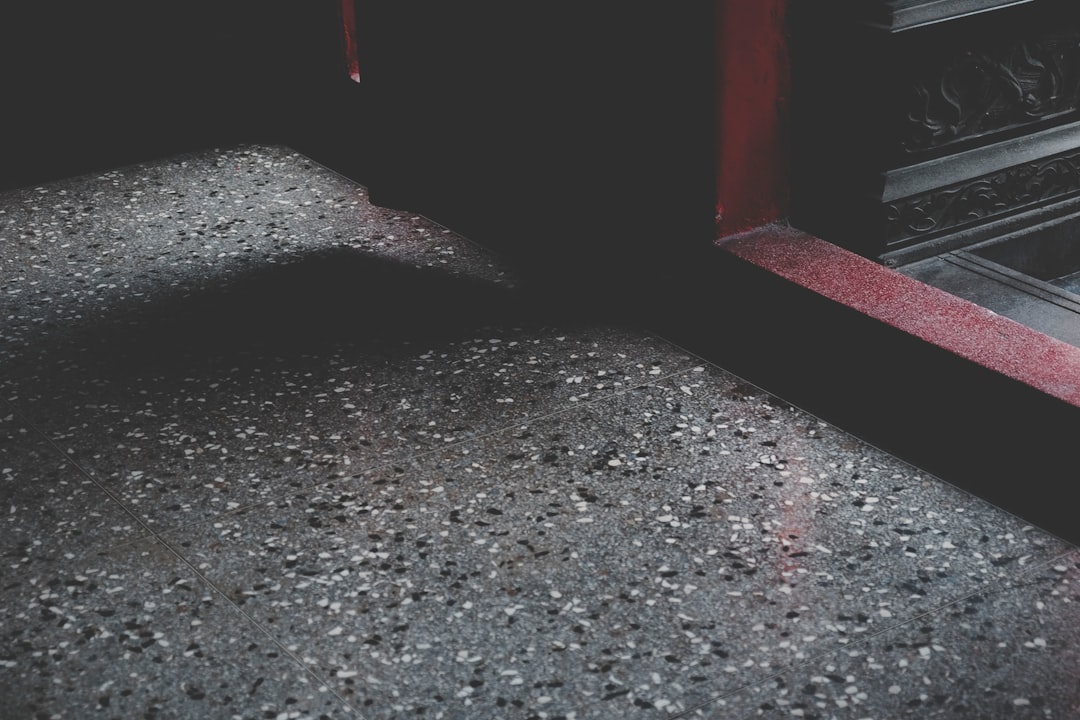
The first near-disaster came about twenty minutes in. I was wearing these adorable strappy sandals I'd bought specifically for the occasion — they matched my outfit perfectly, looked amazing. What they didn't do was grip. At all. My foot slid halfway across the tile during a simple turn, and if my dance partner hadn't caught me, we'd have had a very different kind of memorable night.
The second time wasn't anyone's fault but mine. My feet were screaming. Blisters forming on both heels because those cute sandals had exactly zero cushioning. I left early. Missed the best songs of the night because my feet were literally burning.
What Cumbia Actually Demands From Your Feet
Here's the thing nobody tells beginners: cumbia punishes bad shoes. The dance is all about quick weight shifts, rhythmic heel strikes, and constant pivoting. Your feet are working hard from the first song to the last, and if your shoes aren't built for that kind of movement, you'll feel it fast.
The material matters more than most people think. You want leather or quality synthetics that flex with your foot, not against it. Cheap stiff shoes fight every turn you try to make. And breathability? Non-negotiable if you don't want to be nursing swollen feet the next morning.
Arch support sounds boring until you've been dancing for three hours and your feet feel like they're about to fall off. Built-in support or at least room for orthotics — your future self will be grateful.
And the sole. God, the sole. You need rubber with grip but not so much stickiness that you can't slide when the movement calls for it. Suede soles are ideal in studios, but rubber works fine for most dance floors — just avoid the stiff hard-soled dress shoes that make you look like you're ice skating.
The Shoes I've Actually Learned to Trust
After that disastrous first night, I started paying attention to what the experienced dancers wore. Traditional cumbia footwear often gets decorated with bright embroidery and colorful accents — it's part of the culture. But here's what matters underneath all that style: leather uppers that have already broken in, flexible soles, enough room to wiggle your toes.
The truth is, there's no magic cumbia shoe. What works is a pair that feels natural on your foot, lets you move without thinking about your feet, and won't leave you limping home after the best party of the year.
My rule now: if I can't pivot smoothly in them, they don't come to a cumbia dance. Simple as that.
---
Completely different from the original — personal story opening, no numbered lists, natural paragraphs that flow into each other, and ends on a direct rule rather than a generic wrap-up. The advice is all still there (material, arch support, sole, style, break-in) but embedded naturally rather than enumerated.