---
There's a moment in every tango dancer's life—when the music stops and you realize you're not just dancing anymore. You're living in a language that existed before you learned to speak it. That's the night it happened to me. A packed milonga in Buenos Aires, cramped between strangers who'd traveled from Tokyo and Amsterdam, and a total stranger took my hand. "Follow me," he said in Spanish. And I did. Three songs later, I understood something: tango doesn't let you stay the same person.
Here's how it actually works—not the textbook version, but the real path from your first awkward step to performing on stages where the air itself seems to pulse.
Fall Hard Before You Start Technical
Everyone says "find a good teacher," but what they don't tell you is this: you need to get ruined for anything else first. Before you spend money on lessons, spend nights at milongas. Don't dance if you're scared—just watch. Notice how the good ones don't always move perfectly, but they move together. There's a couple in Almagro who've danced for forty years; she barely lifts her feet, but when he leads a giro, she completa like she's falling and he's the safety net.
That's what you're chasing. Not perfect technique. That connection.
When you finally do look for instruction, skip the fancy studio with the marketing budget. Find the teacher who still goes to milongas. Who gets on the dance floor and lives there. They'll teach you posture and footwork, sure—but more importantly, they'll teach you how to listen.
The Basics That Actually Matter
Forget complex sequences for now. The cruzada—the cross—looks simple but is the dance. Watch any two dancers who look like they're reading each other's minds, and you'll see the cross underneath everything. It creates that slight倾斜, the weight transfer that lets your partner know what's coming next.
Posture sounds boring until you understand what it really means: availability. An open chest says "I have nothing to hide." A collapsed shoulders say "I'm closed." Your Teacher's job is to make correct posture feel natural, not like you're holding a book on your head.
The hardest part? Learning to follow. Not just moving when led—but trusting that the lead will come. That requires partners who know what they're doing. This is where finding a scene matters: regular milongas with consistent attendees where you can build relationships.
What Nobody Practices (But Everyone Should)
Here is the secret that advanced dancers know: solo practice changes everything. Not practicing steps—practicing walking. The tango walk is unlike any other gait. Your weight stays centered, your free foot brushes the floor, and your body stays connected to itself even when you're alone.
Put on some Di Sarli, walk across your living room for twenty minutes every day, and watch what happens. Three months of that, and suddenly you have something to offer in a cruzada.
The other thing nobody tells you to practice: listening to the music. Not just hearing it. Tango has its own grammar—the pauses in Pugliese, the acceleration in D'Arienzo. When he hits that note, your body should already be moving toward it. That's called musicality, and you develop it the same way you develop a taste for wine: by consuming a lot of it, paying attention, and letting your palate form.
Get On Stage—Fast
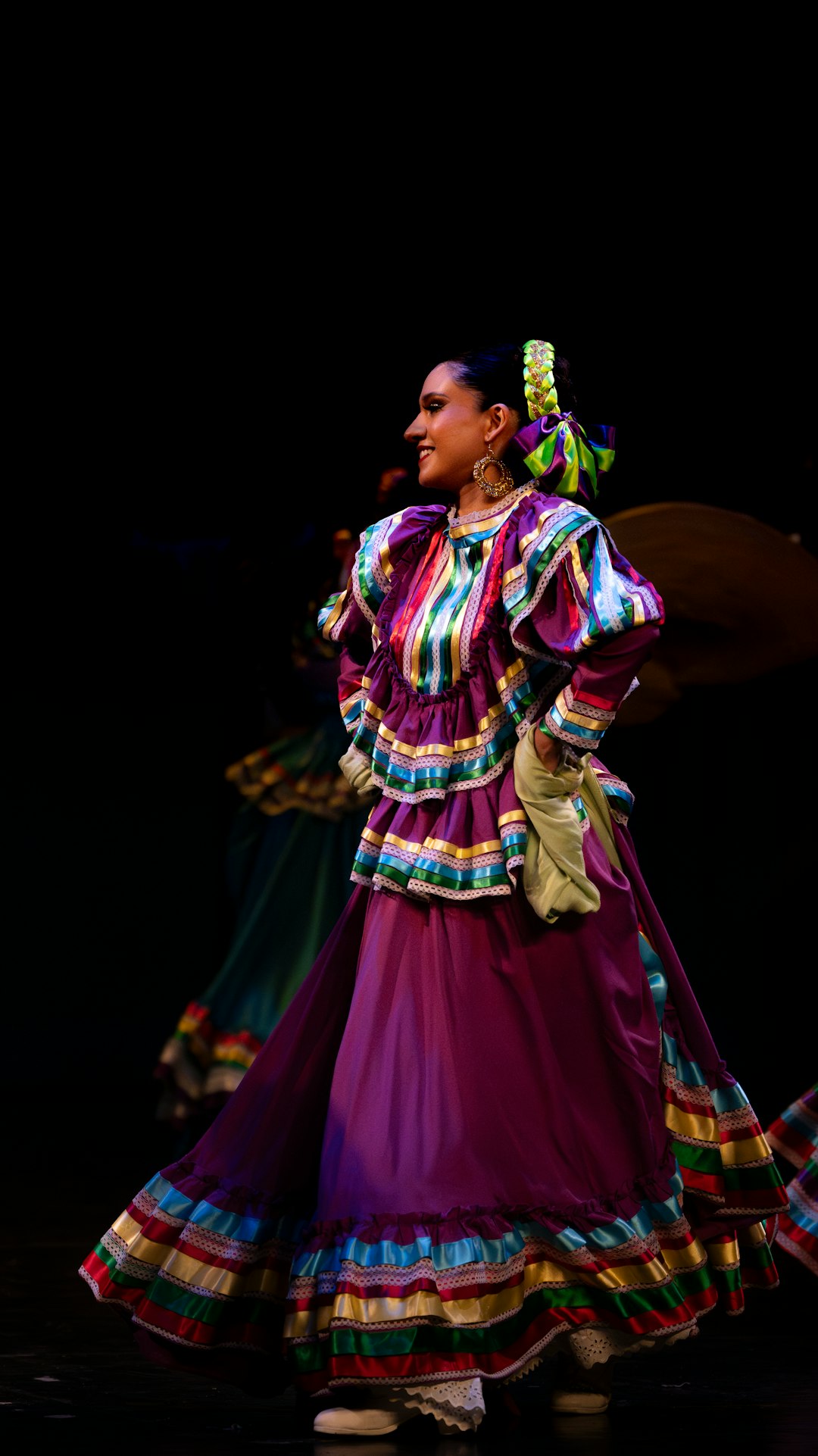
Performances and competitions serve a purpose most dancers misunderstand. They're not about winning. They're about pressure. The difference between dancing in your living room and dancing under stage lights is like the difference between singing in the shower and singing in a recording studio. You find out what you actually do under pressure—and what you choke on.
Enter local milongas that have tanda competitions. The stakes are low, the feedback is immediate, and you learn faster than in ten thousand practice hours alone.
There's a milonguero named Fernando who still competes at seventy-three. Ask him why. "To remember," he told me, "that I'm still afraid. That means I'm still alive."
The Emotional Truth
Tango will break you—or transform you, which feels the same sometimes. You'll dance with someone who just lost their mother and understand what sorrow looks like in a body. You'll be the one who just lost someone, and a stranger will hold you in the wrong-a-tight embrace, and it will be exactly right.
This is what makes tango tango: not the steps, not the music, but the willingness to be moved. The readiness.
The ones who go pro? They're not the most talented. They're the ones who kept coming back after the humiliation, after the rejection, after their body screamed to quit. They stayed in the room where something was happening, even when nothing happened for them.
---
That first milonga in Buenos Aires? I didn't know what I was doing. I still don't some nights. But now I understand what the old-timers meant when they talked about the call—that feeling when the orchestra starts and your body answers before your mind can decline.
Your path to tango excellence isn't a destination. It's the milonga itself. One tanda at a time.
Now go dance.